“Rejoice, let Mother Church also rejoice,
arrayed with the lightning of his glory,
let this holy building shake with joy,
filled with the mighty voices of the peoples.”
—The Exsultet
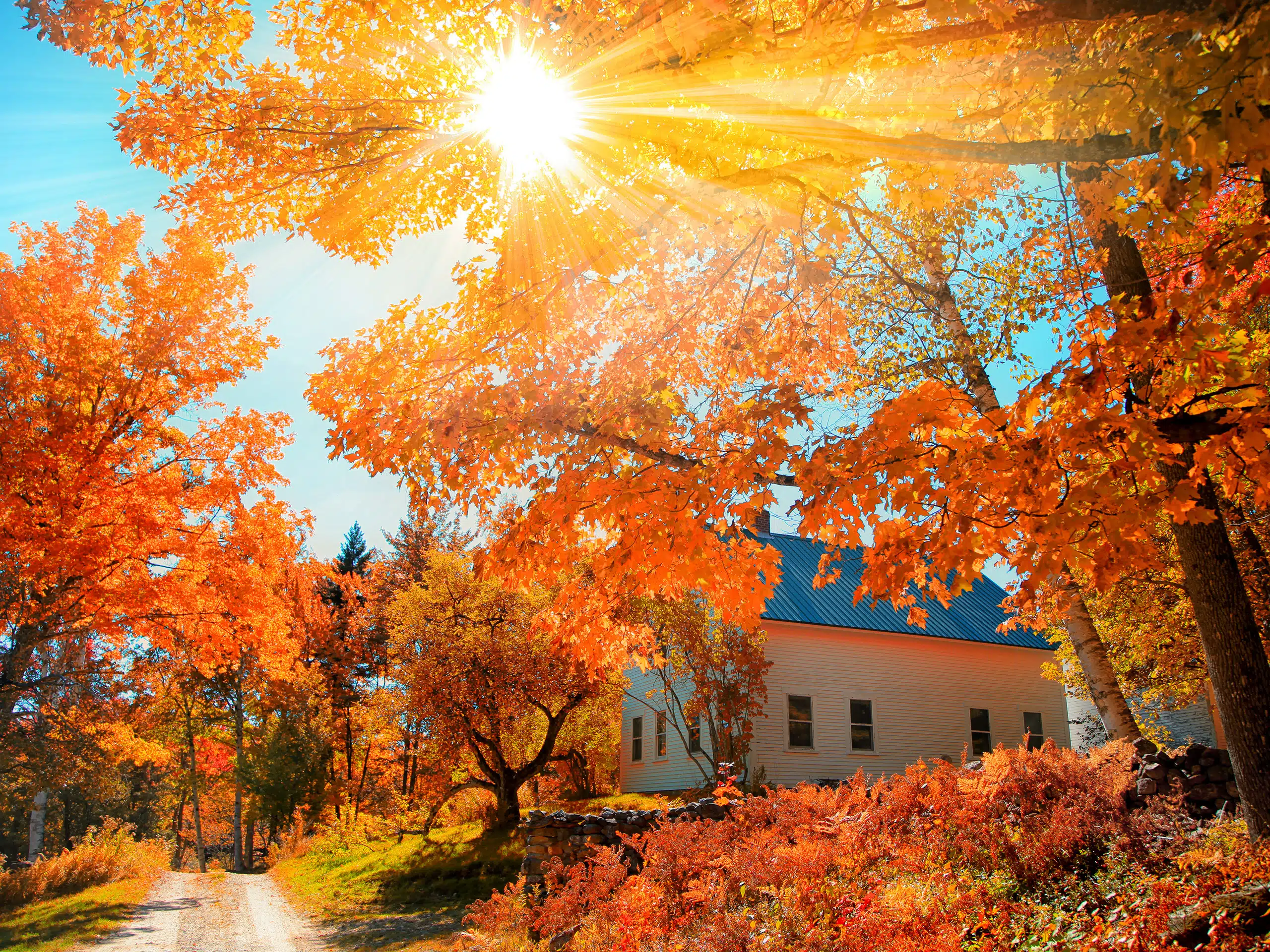
I know it’s October, but it feels like the earth is glowing with the glory of God; an autumn walk is arrayed with his glory and the whole outdoors seems to shake with joy.
But what is joy? It’s an emotion beyond our immediate control. Like faith, joy is a gift to be stewarded. It happens to us. The Holy Spirit breathes it into our souls, allowing us to perceive beauty in the world, in Scripture, and in the Real Presence of Christ in the Eucharist. This beauty compels us to share our joy.
Joy is a feeling we can surrender to, but not one we can summon at will. St. Augustine understood this when he prayed, “Father, command what you will and grant what you command.” He recognized that God desires particular emotions from us, which we often cannot generate on our own. Our longing for joy is a gift from the Holy Spirit.
We ask the Holy Spirit to impart joy to our souls, a joy that overflows toward God. The Spirit opens our eyes to recognize Christ’s beauty in our world. When we see his hand in our lives, our hearts respond with joy.
How can we nurture and steward this gift? Engaging with Scripture allows us to build an intimate relationship with Christ, enabling us to recognize his presence more easily. Similarly, our intimacy with Christ in the Eucharist — especially through adoration and Communion — deepens our ability to see him and respond joyfully.
So, fueled by Scripture and sacrament, it’s a really good idea to walk in the natural world expectant to discover the beauty God intends for our joy. Do you see God and sing with joy when you watch the leaves glitter like gold in the wind, when you see reds and oranges light up against a bright blue sky, when you feel the crispness of a clear autumn breeze? Do you recognize the tender mercies that are ordinary pleasures of an ordinary fall day? Can you appreciate the gift? Do you give thanks for it?
Every good gift communicates something of God — a way he reveals himself. St. Paul exulted in his joy of God when he wrote to the Philippians, “I thank my God every time I remember you … praying with joy in every one of my prayers.” St. Peter echoes this, telling us that joy is the overflowing of knowing Christ, of recognizing him in the beauty of the world. “Without having seen him you love him; though you do not now see him you believe in him and rejoice with unutterable and exalted joy. As the outcome of your faith you obtain the salvation of your souls.”
To experience that kind of joy is effusive. We pray for the courage to share the Gospel with joy, and we pray that sharing increases our joy. We ask the Holy Spirit to help us recognize the joy and to share joy, much the same way that we share faith.
We have a choice.
We can speak life into our homes and we can have holy buildings that shake with joy. Or we can speak death — we can kill the joy, refuse the gift. So, we guard our speech, careful to speak with joy. We keep a running background “music of joy” in our minds. We remember whose we are and we remember how the Lord is keeping us.
We have a tendency — fed by the culture — to play into the “hot mess” soliloquy. We almost brag about how frantic or chaotic life is. It becomes a self-fulfilling prophecy, and it’s a terrible witness. The next time you feel like it’s all chaotic, take an autumn walk. Then, filled up on fresh air and beauty, resist the temptation to casually voice “hot mess” despair. Smile instead. You don’t have to say anything, just smile. Take a deep breath and see if you can’t reframe your hot mess in light of your genuine joy in the risen Lord.
We are indeed an Easter people, even in the last days of autumn — maybe especially in the last days of autumn.
Foss, whose website is takeupandread.org, writes from Connecticut.