For half a century, the Arlington diocese has been a safe harbor for refugees fleeing war and oppressive regimes throughout the world. But significant changes in government policy affecting refugees already here, and those awaiting entry into the United States, have caused alarm and heartache.
First, an executive order signed by President Donald Trump Jan. 24 brought the refugee resettlement program to a 90-day halt. The U.S. Conference of Catholic Bishops filed a lawsuit Feb. 18 to challenge the suspension, and Feb. 26, the USCCB was notified by the U.S. Department of State that its contract to receive reimbursements, which funds diocesan refugee resettlement services, has been terminated.
Stephen Carattini, president and CEO of diocesan Catholic Charities called the actions “perplexing and concerning.”
“Our first thoughts are for families who are here, awaiting loved ones who were approved to come to the United States and whose travel arrangements were abruptly canceled,” said Carattini. “Our prayers are also with people waiting in refugee camps — some for decades — for the opportunity to resettle in a safe and peaceful country where they can begin to rebuild their lives.”
Carattini said that the 330 refugees who have arrived in the diocese since Oct. 1, 2024, won’t be abandoned. “We’ll finish out our 90-day obligations to our clients,” he said. “We are going to continue to care for them and we’re going to have to do that in a very short period of time with alternative funding sources.”
Carattini estimates that 30,000 refugees have been welcomed and resettled by the diocese and Catholic Charities in the last 50 years. He said that 4,000 of those are from Afghanistan, many who risked their lives to assist the U.S. government during the 20-year war that ended in 2021.
“There’s a lot of people in the world suffering,” said Carattini. “From a refugee’s perspective, we are one of the only avenues of hope they might have.”
Jessica Estrada, diocesan director of Catholic Charities Newcomer Services, explained that refugees have been granted legal status in the U.S. because they have a well-founded fear of persecution based on their religion, race, nationality, political beliefs, or membership in a particular social group.
Estrada admits to being shocked by the policy changes “because for so many years, the refugee program has had very strong bipartisan support,” she said. “These are individuals who are vetted more than any other category of immigrants in our history.”
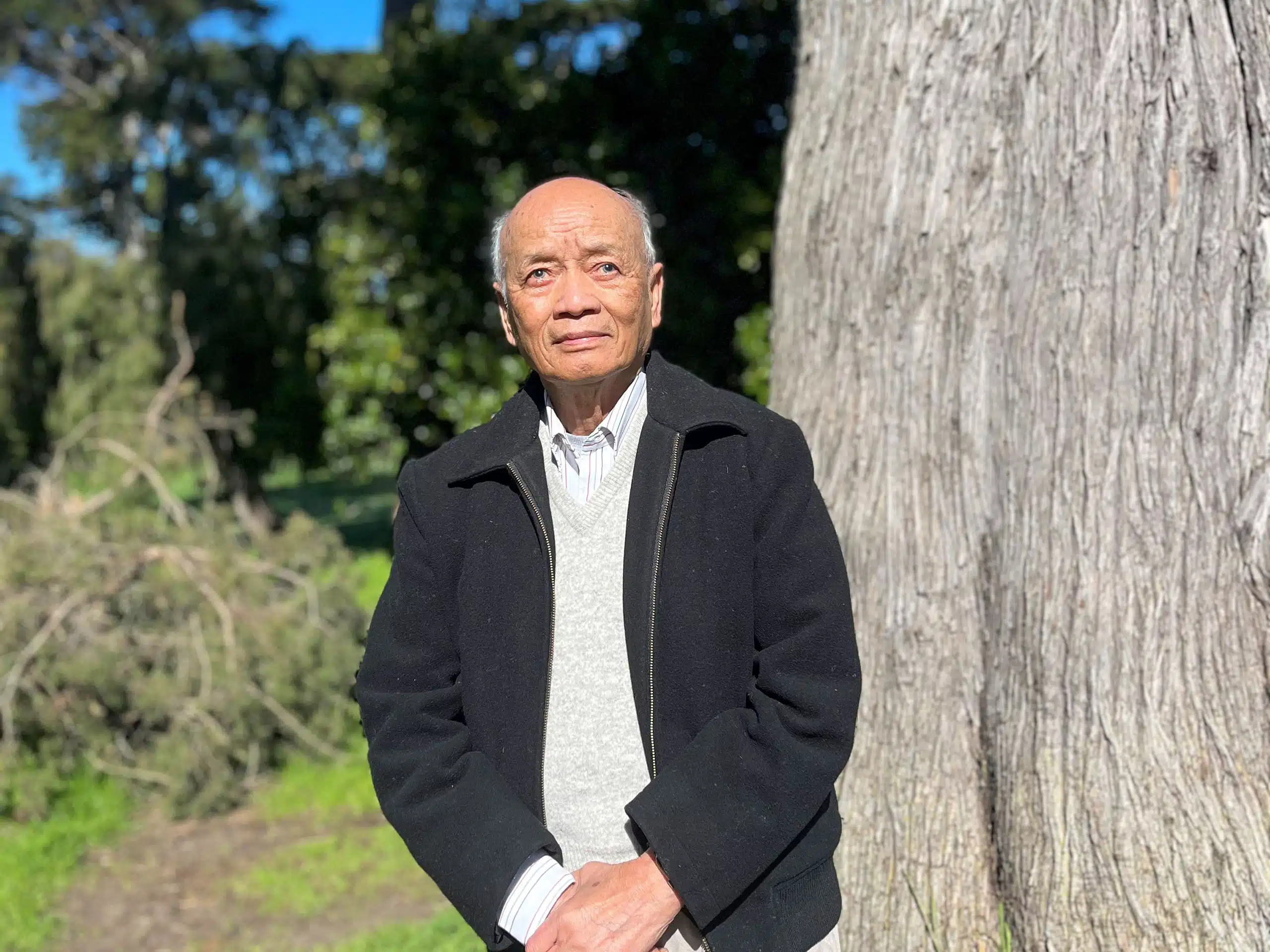
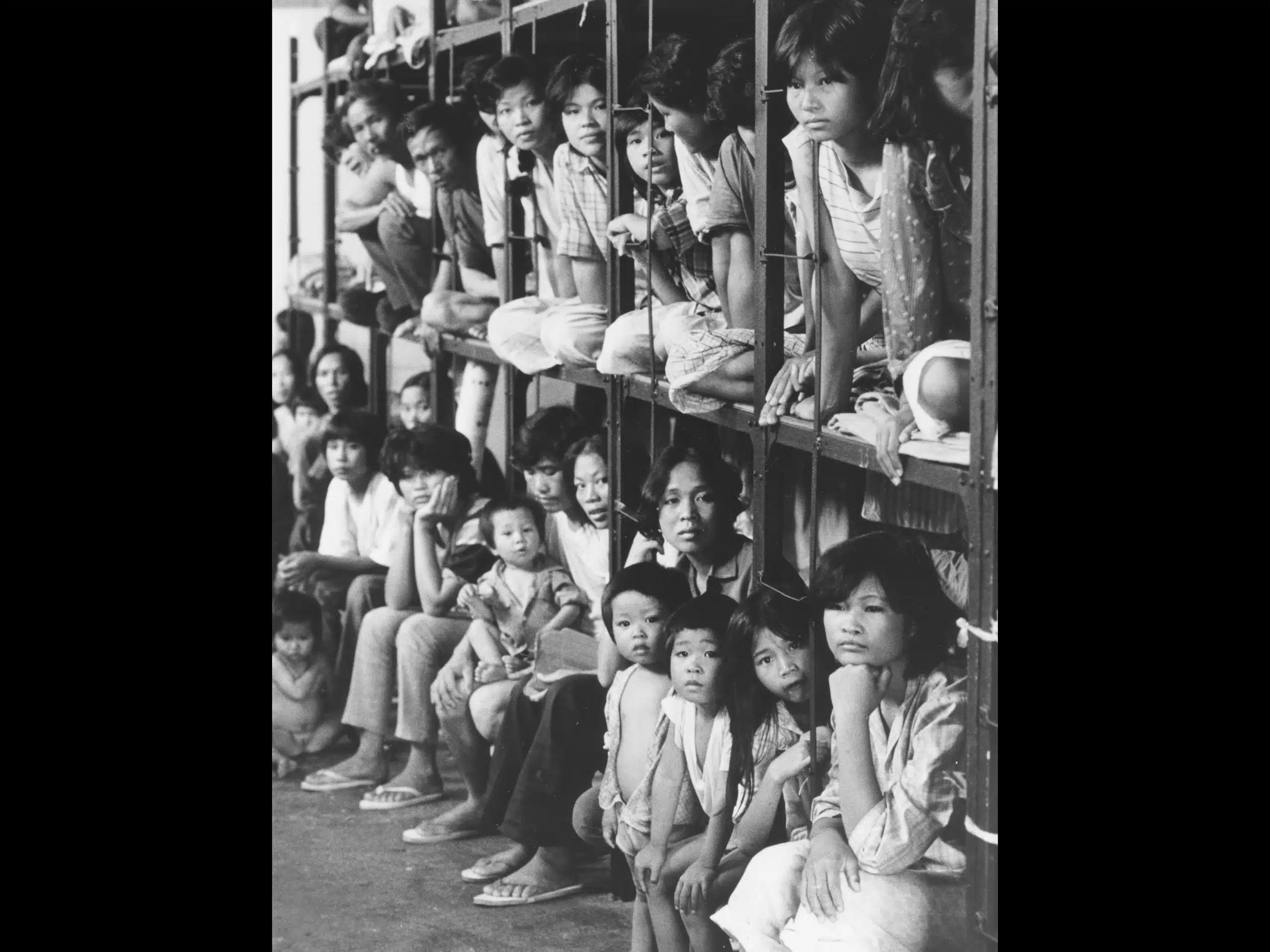
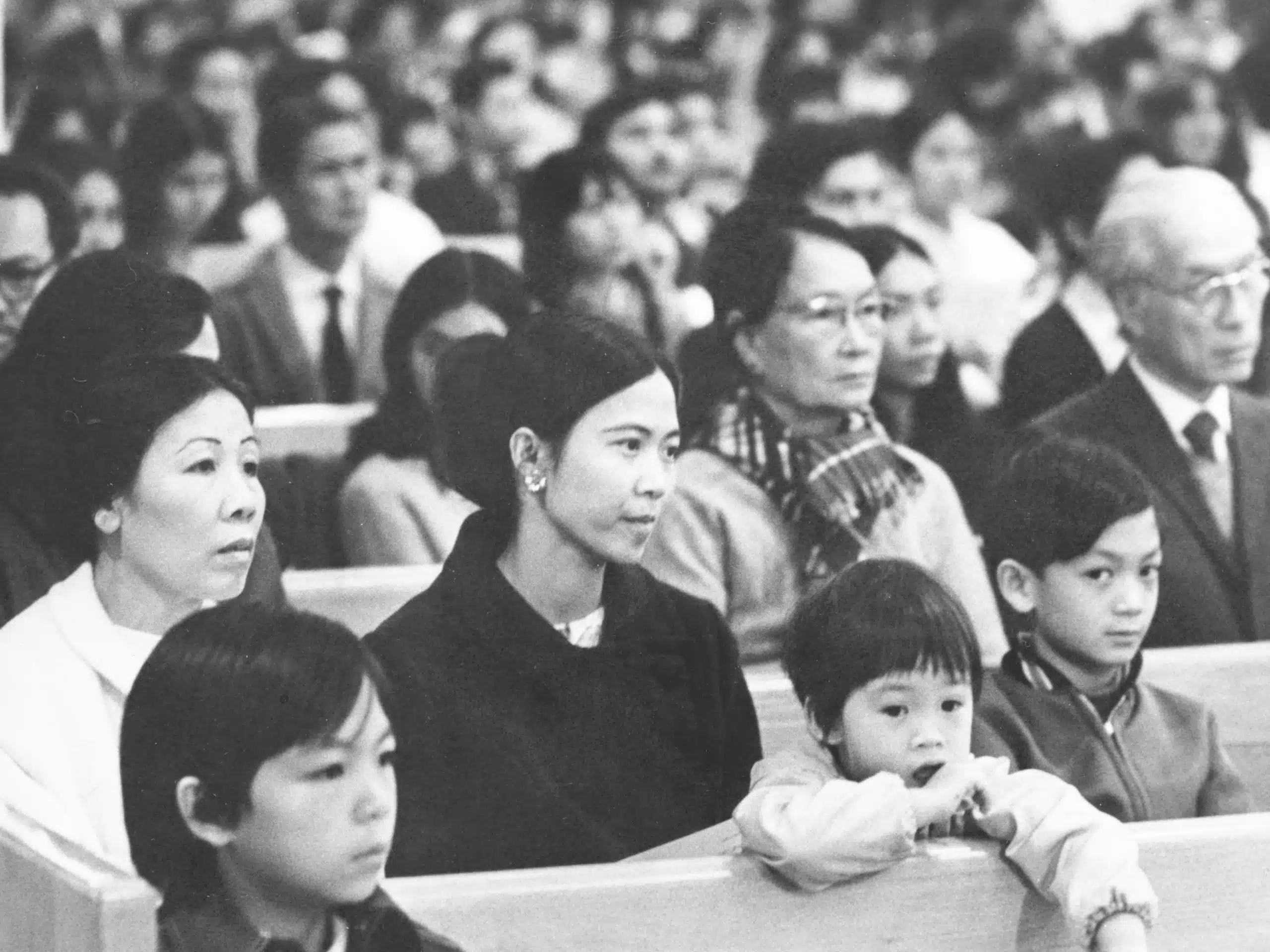
For one elder statesman of the Vietnamese refugee community, the shift in policy is a betrayal of all refugees. After the fall of Saigon in 1975, waves of Vietnamese refugees arrived in the Washington area and by 1977, 2,300 had settled in the diocese. Many of those were sponsored by diocesan churches and provided temporary housing by Catholic families.
“Hundreds of thousands of people tried to escape by sea,” said Thu Bui, 90, who came to Washington in 1973 to earn his doctorate and reunited with his wife and three children after their escape from Saigon in 1975. He pointed out that countless refugees died at sea and many women were raped by pirates. The mass exodus continued throughout the 1990s and by 2000, nearly one million had fled to the U.S.
Many of the survivors who made their way to Arlington helped transform a blighted part of Clarendon into a thriving business community that became known as “Little Saigon.” The first Vietnamese Catholic parish in the country, Holy Martyrs of Vietnam Church in Arlington, established in 1979, now has 7,233 parishioners. Another community, Our Lady of La Vang Mission in Chantilly, was founded in 2018 and is home to 1,500 members.
Bui said that Catholics are still persecuted in communist Vietnam, and 50 years later, many are desperate to leave. The former college professor is determined to spend the rest of his life assisting refugees. He has been trying to help a Vietnamese Catholic family that has been stuck in Thailand for 15 years immigrate to the U.S.
“They have nowhere to go and they can’t go back to Vietnam,” said Bui. “I am very angry about what has happened because they may never get out. The United States opened its arms to us in 1975. Now Vietnamese refugees could be sent back.”
Msgr. Robert C. Cilinski, pastor of Nativity Catholic Church in Burke and diocesan episcopal vicar for charitable works, has been ministering to refugees in the diocese since becoming a priest in 1979. “To now suddenly stop funding or giving approved reimbursements is a break of trust,” he said. “It causes unnecessary suffering to those fleeing war and death. Jesus said, ‘I was a stranger and you welcomed me.’ What we do is spiritual. It begins with the spiritual. It is the teaching of our faith. A nation greatly blessed should be as generous as possible. And if we know our history, every immigrant community has been a gift.”
“This is what the faith teaches us,” said Estrada. “We are to welcome a stranger. I have had refugee clients from just about every country tell me that if they go to a Catholic organization, they know they will get help. And to not be able to continue to do this work is hard.”
An impressive number of former refugees have worked hard to achieve the American dream, like the hundreds of thousands of Irish, Italian and Polish immigrants who overcame hardship in the 19th and early 20th centuries.
“They have to become self-sufficient very quickly,” said Carattini. “They come in and say, ‘Okay, I’ve got to go to work,’ and within 90 days, with the help of Catholic Charities, they are typically employed. We’re talking about people who are professionals in their home countries, who take a job stocking shelves at Target from midnight to 8 a.m. because that’s what they must do.”
“You remember what it was like to meet them at the airport when they were anxious, wondering, ‘What’s going to happen to us?’ Then, three or four years later, they own a market or a gas station, they send their kids to college, and then they get to see their kids become professionals themselves.”
Carattini is asking for prayers for the refugee resettlement program to be reinstated. “The subject of immigration is complicated, however, our response to people in need is not,” he said. “We serve the poor, protect the vulnerable and welcome the newcomer because that is what our faith compels us to do.”