Visiting the National Gallery of Art in Washington during Lent is always an enriching experience, but a recently acquired painting by a major Mexican artist offers a new reason to make it part of one’s spiritual journey.
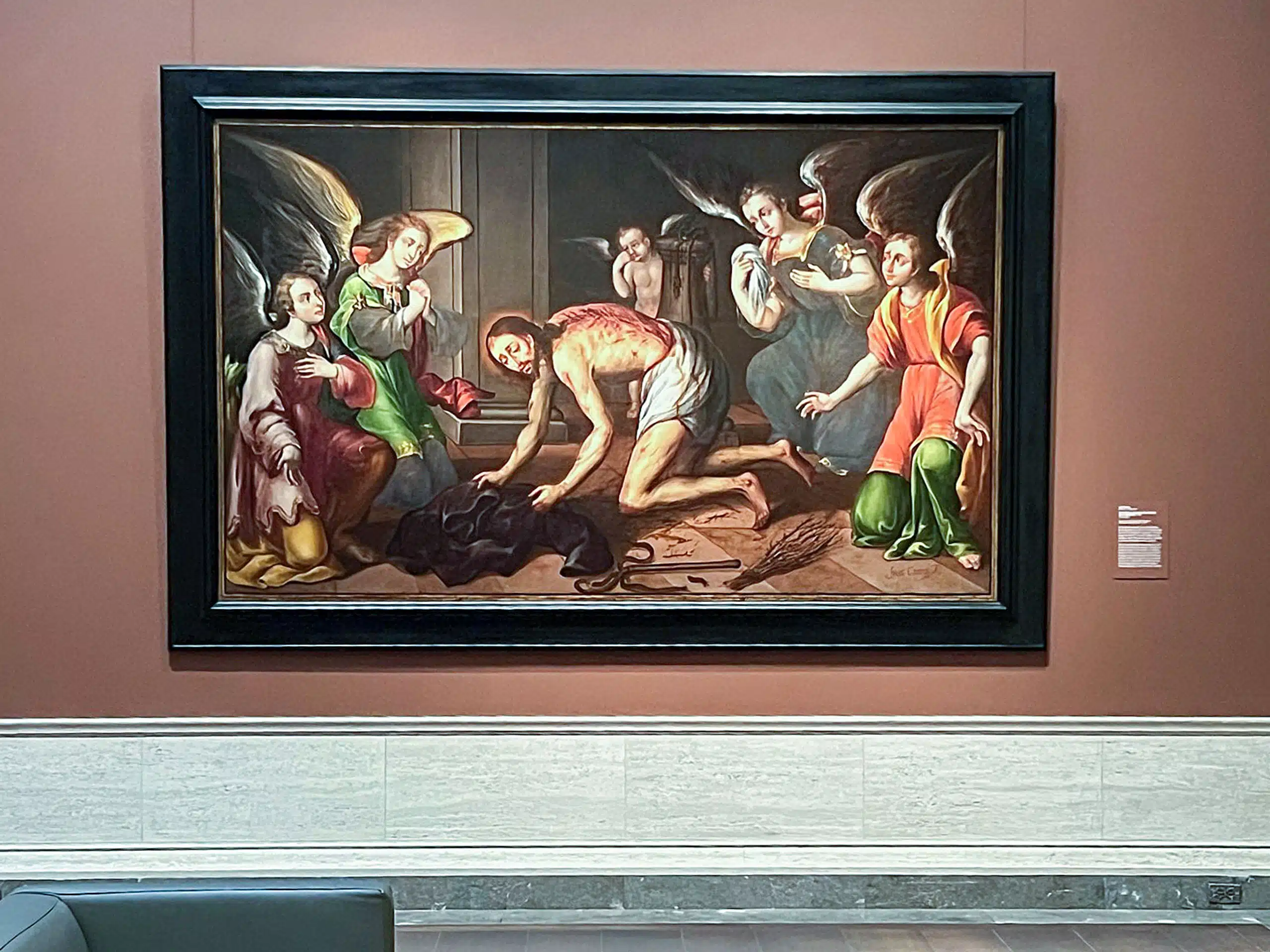
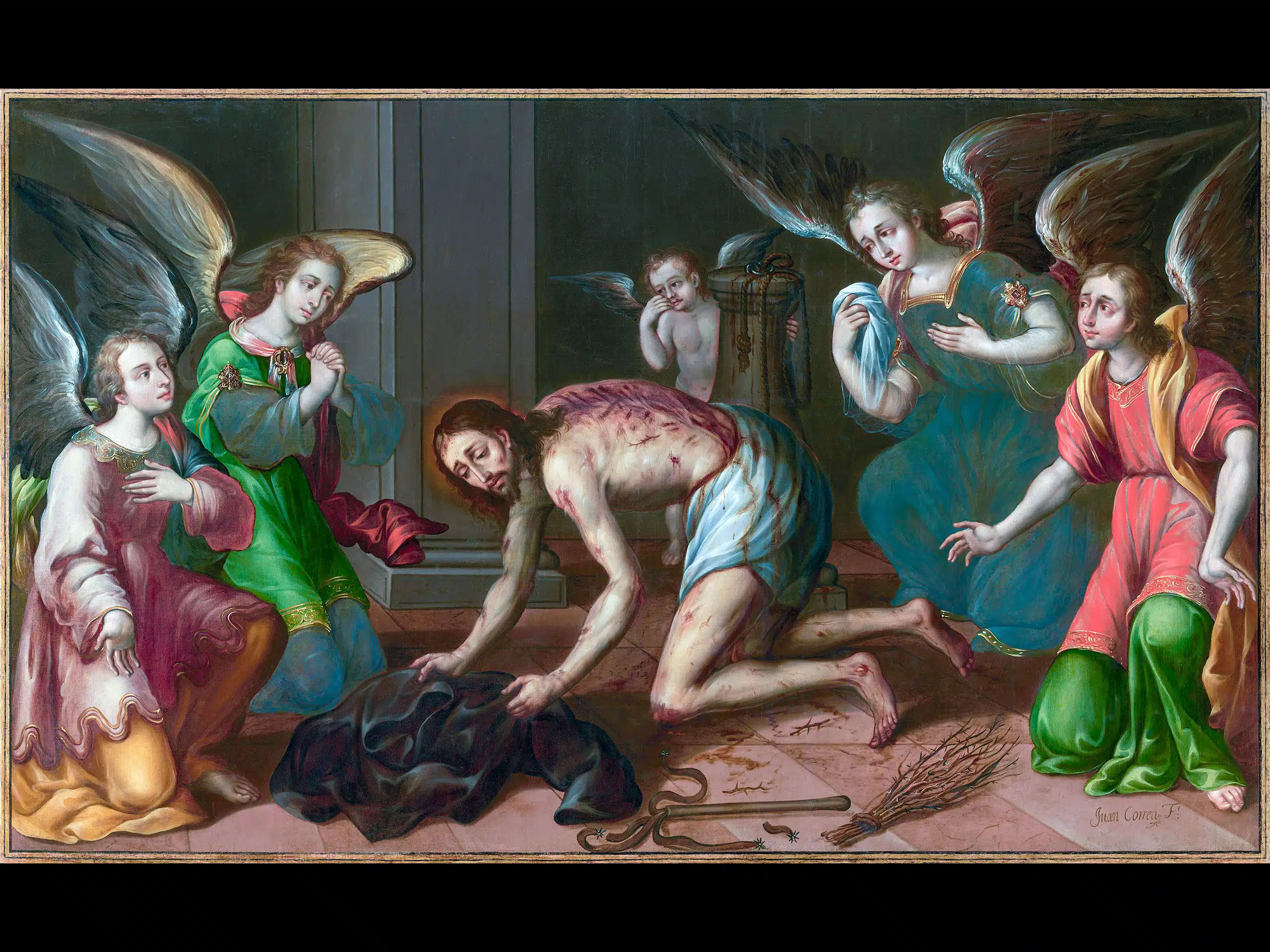
The large and vibrantly colored canvas, “Christ Gathering his Garments after the Flagellation” by Juan Correa, is the first work of art from the Latin American colonial era to enter the collection and the earliest one by an artist of color.
In recognizing the high level of artistic achievement in Spanish-speaking America long before the founding of the United States, the picture may have a special meaning for the many Latin American Catholics who live in this area.
The Correa painting marks a new era for the National Gallery, which will soon display further Latin American works of art from the same era, but not necessarily paintings, Eve Straussman-Pflanzer, curator of Italian and Spanish painting, told the Catholic Herald in an interview. Many of the most wonderful artworks that came out of New Spain (as Mexico was formerly known) and other parts of Latin America are sculptures and precious objects that are often called “decorative arts.”
Indeed, another nearby museum — the Walters Art Museum in Baltimore — is getting ready to open a new permanent exhibit of Latin American art that will include paintings, sculptures and decorative objects from various eras.
Jesus looks at us
Correa’s picture does not narrate a moment in Gospel accounts of the Passion, but rather a mystical vision. Bleeding from the wounds on his back and all over his body, Christ reaches down to gather his clothes lying in a dark, untidy clump on the tiled floor amid the instruments of torture.
In contrast, five angels, clad in elegant gold-trimmed garments of shimmering red, pink, green and blue adopt different poses in reaction to the sight. Some point to the Savior as if admonishing us to share his pain. One offers a cloth; another clasps his hands in prayer. The face of Jesus is turned toward us. The delicious colors of the angels’ robes seem to be a reminder that there is hope beyond the deepest injustice.
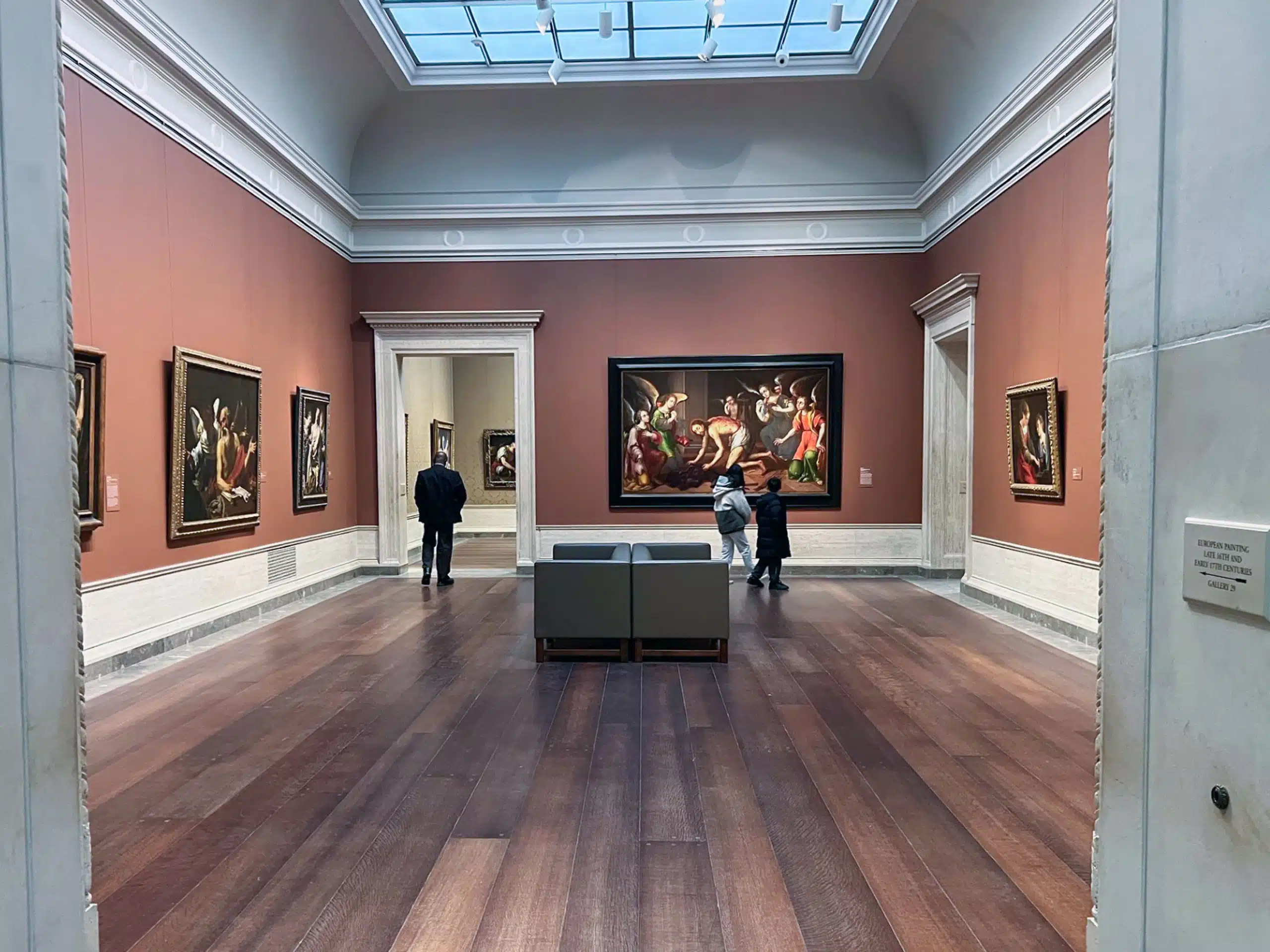
The painting, over 9 feet wide and nearly 6 feet high, holds its own on the wall of a room at the gallery otherwise devoted to European paintings of largely religious themes. Given its size, it was most likely once in a church in Mexico City. During Mexico’s secularization reforms of the mid-19th century, the government expropriated church property, except places of worship, and many works of art were sold abroad. Correa’s “Flagellation” came to light recently in a private collection in France.
Against the odds
In an official document of 1693, Correa described himself as mulato libre, maestro pintor (free mulatto, master painter). His father was a dark-skinned physician from Cádiz (Spain) and his mother was a freed Black woman from Mexico.
Correa headed a very productive atelier. His brother, José Correa, his nephews Miguel Correa and Diego Correa, and his grandsons, also named Miguel and Diego, worked as painters. Out of this workshop came an estimated 500 canvases, mostly of Catholic subjects.
“The immense success of the Correa family demonstrates that (contrary to previously held assumptions) Afrodescendant artists were indeed able to function in colonial Mexico as prominent artists within the guild system,” wrote Kathryn Santner, assistant curator of the Denver Art Museum, referring to that museum’s painting “The Guardian Angel” by Correa.
Hamerman is a freelancer in Reston.
Find out more
While the National Gallery of Art has not yet announced any Passion-themed tours, usually offered this time of year, a great talk by David Gariff, senior lecturer, about the wonderful artwork in their collection is available online. To watch “The Easter Story in Art,” go to bit.ly/3F1nvpy.