

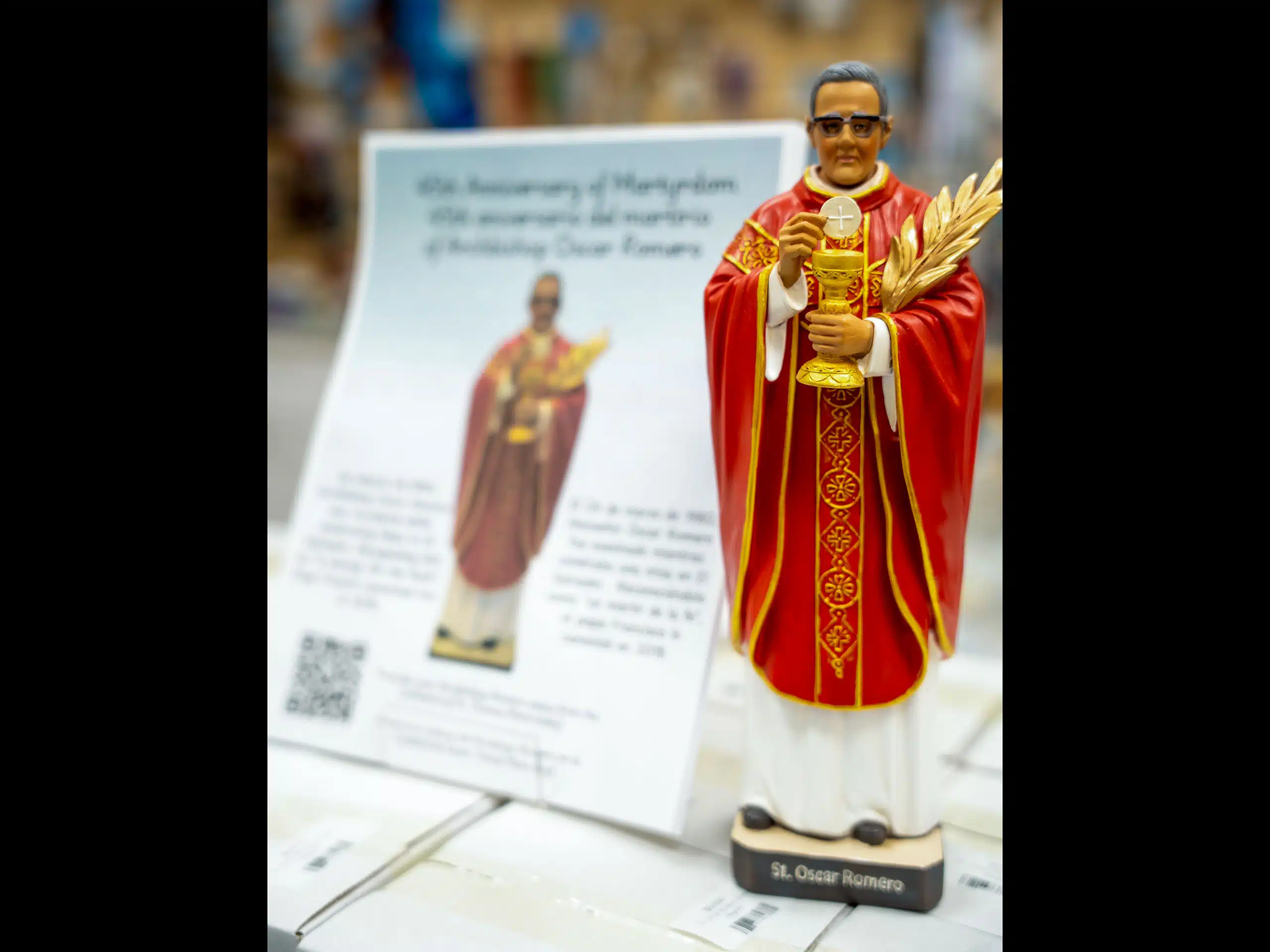
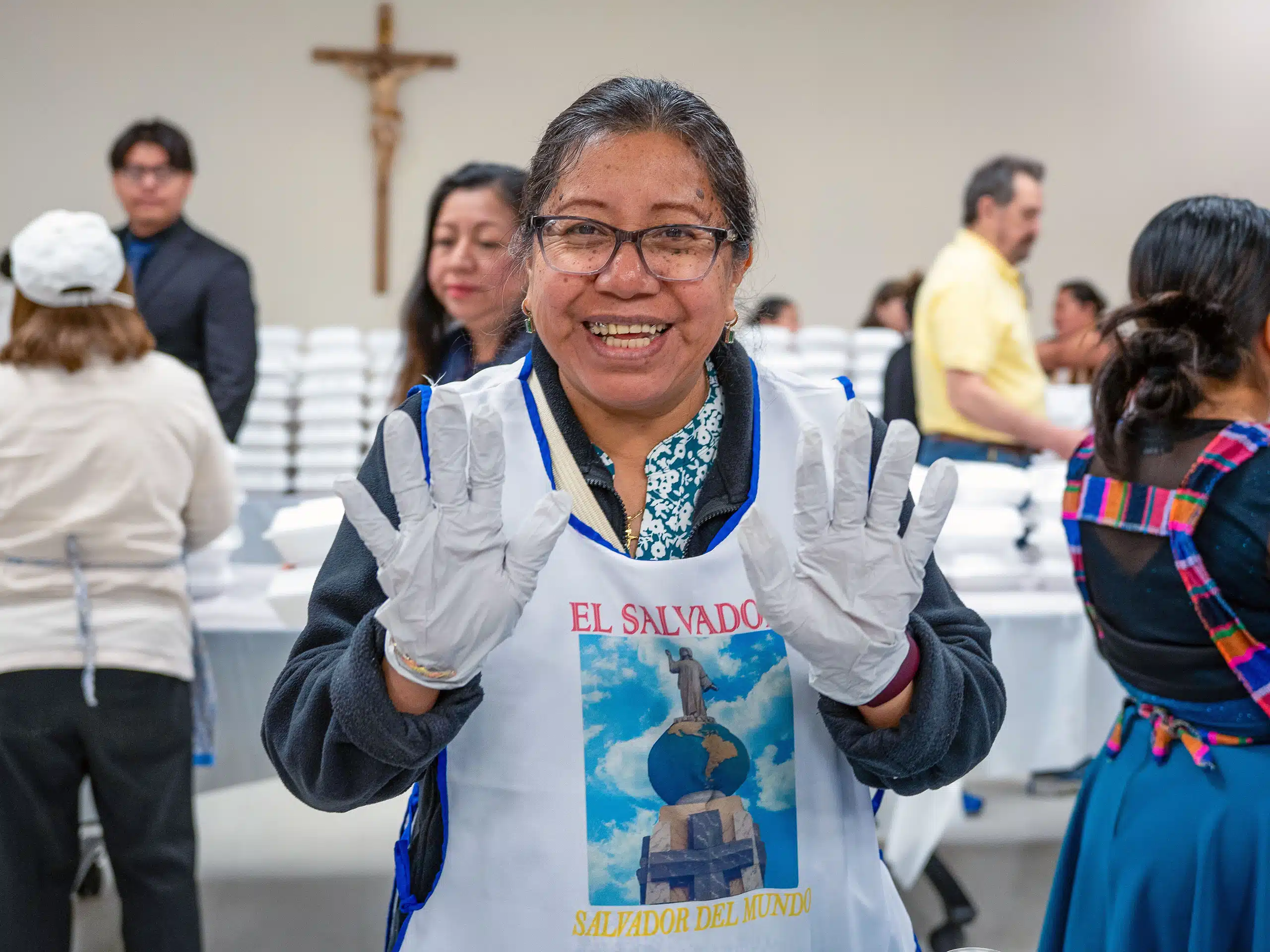
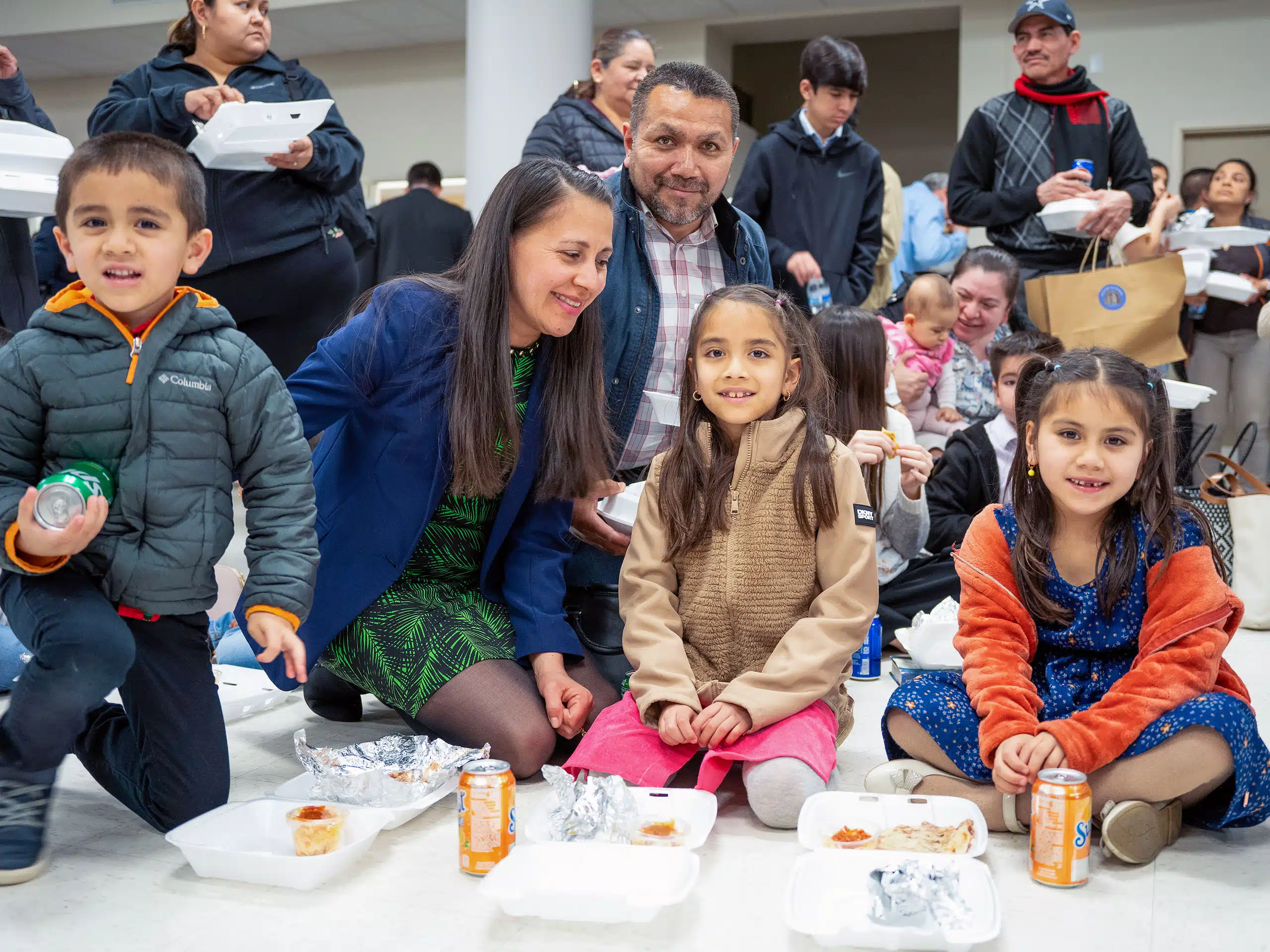
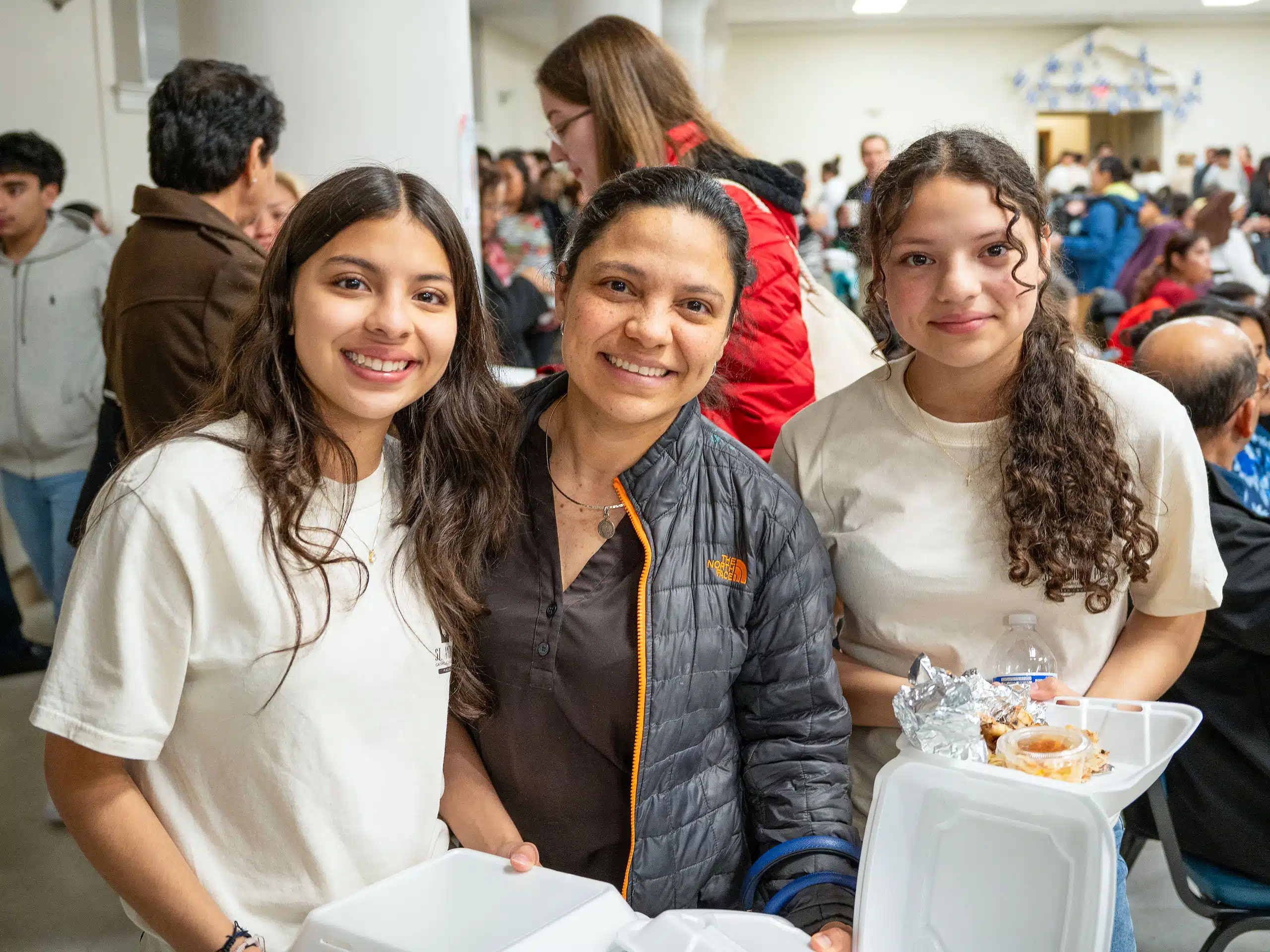
It is still hard for St. Oscar Romero’s cousin to talk about the day the Archbishop of San Salvador was assassinated.
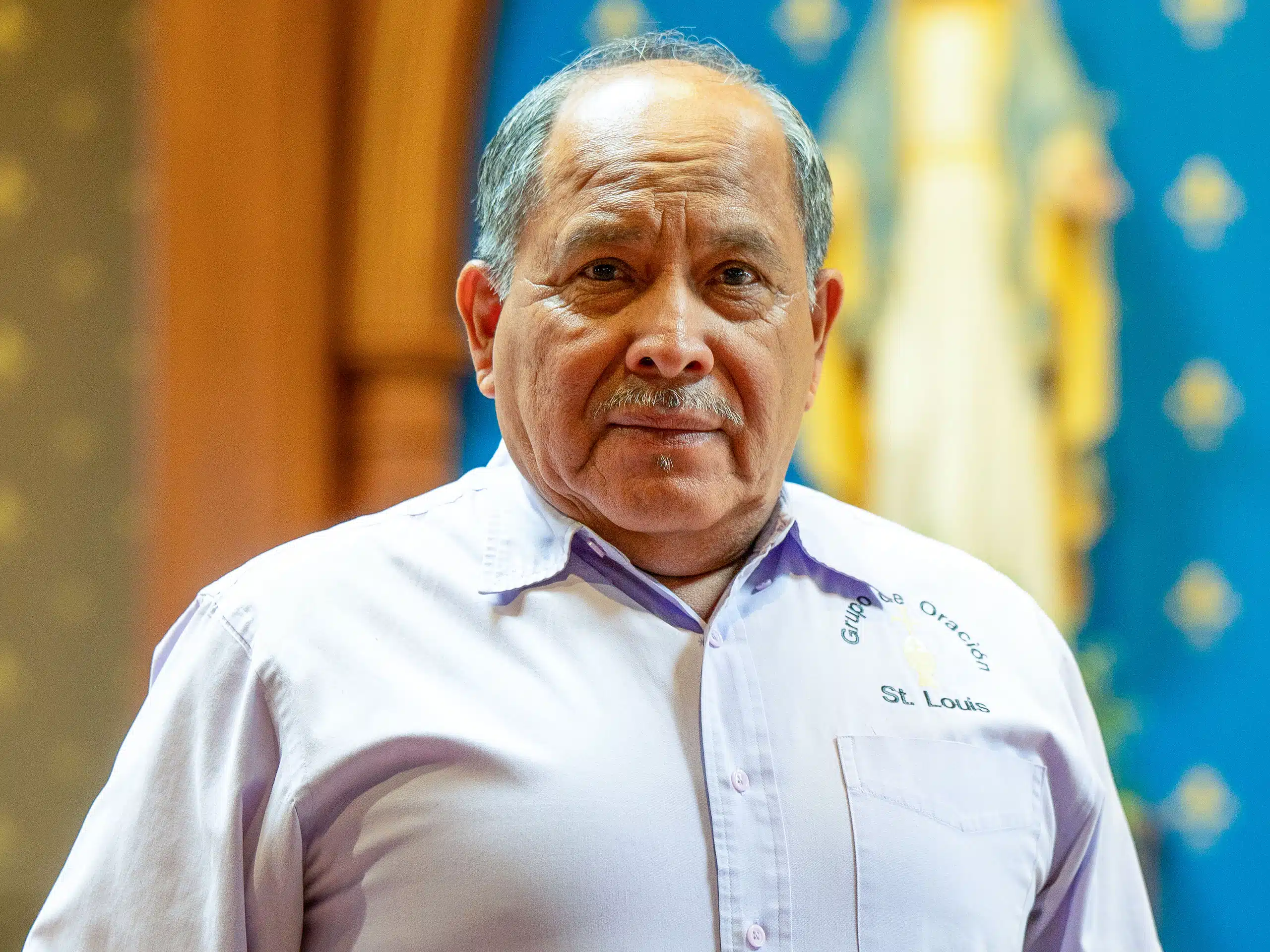
“I remember it like yesterday,” said Miguel Ángel Amaya Galdámez, who moved from El Salvador to Northern Virginia four years ago. “I was shaken to the core. We all knew he was being threatened with assassination but didn’t think it would rise to that level.”
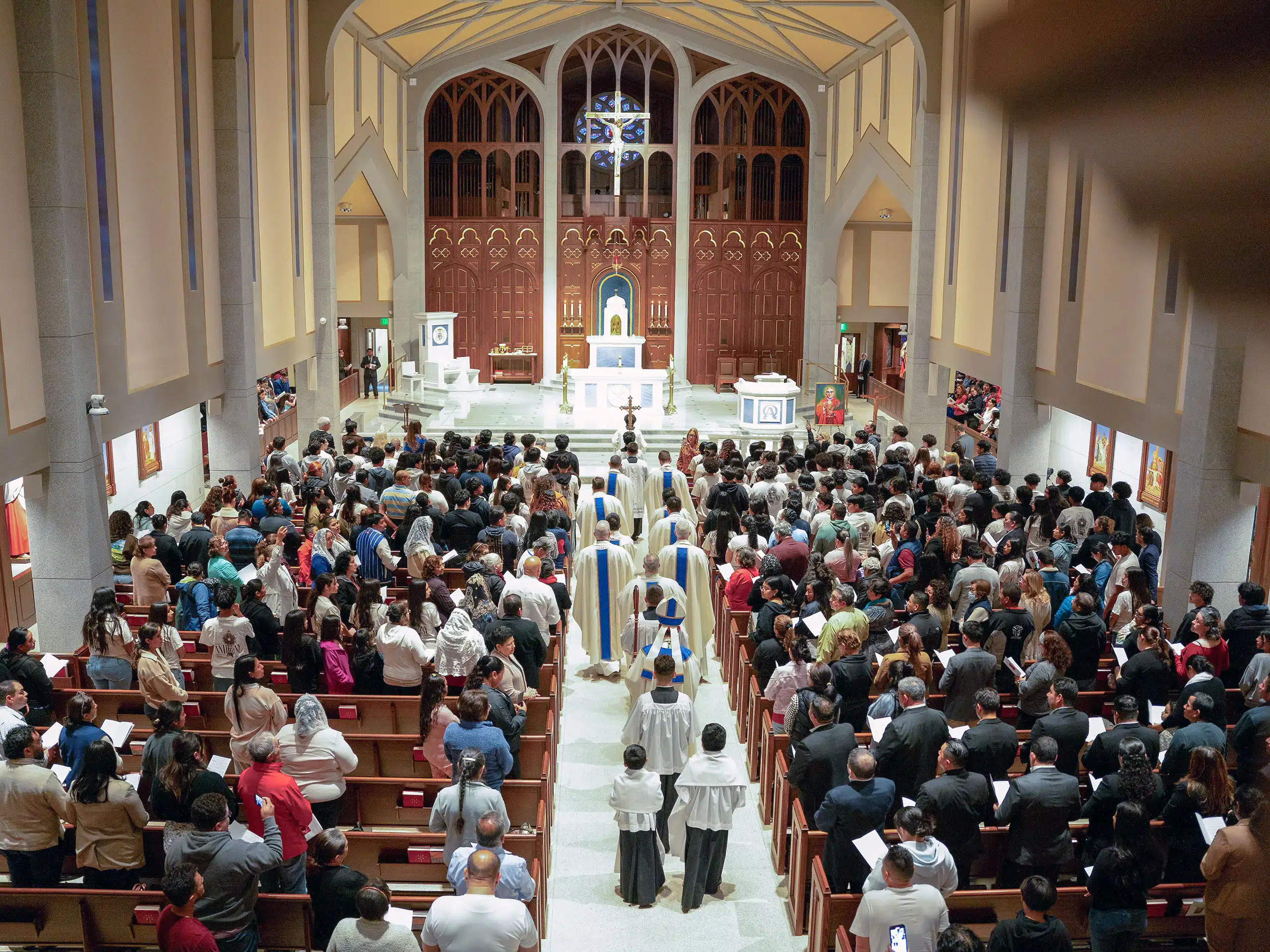
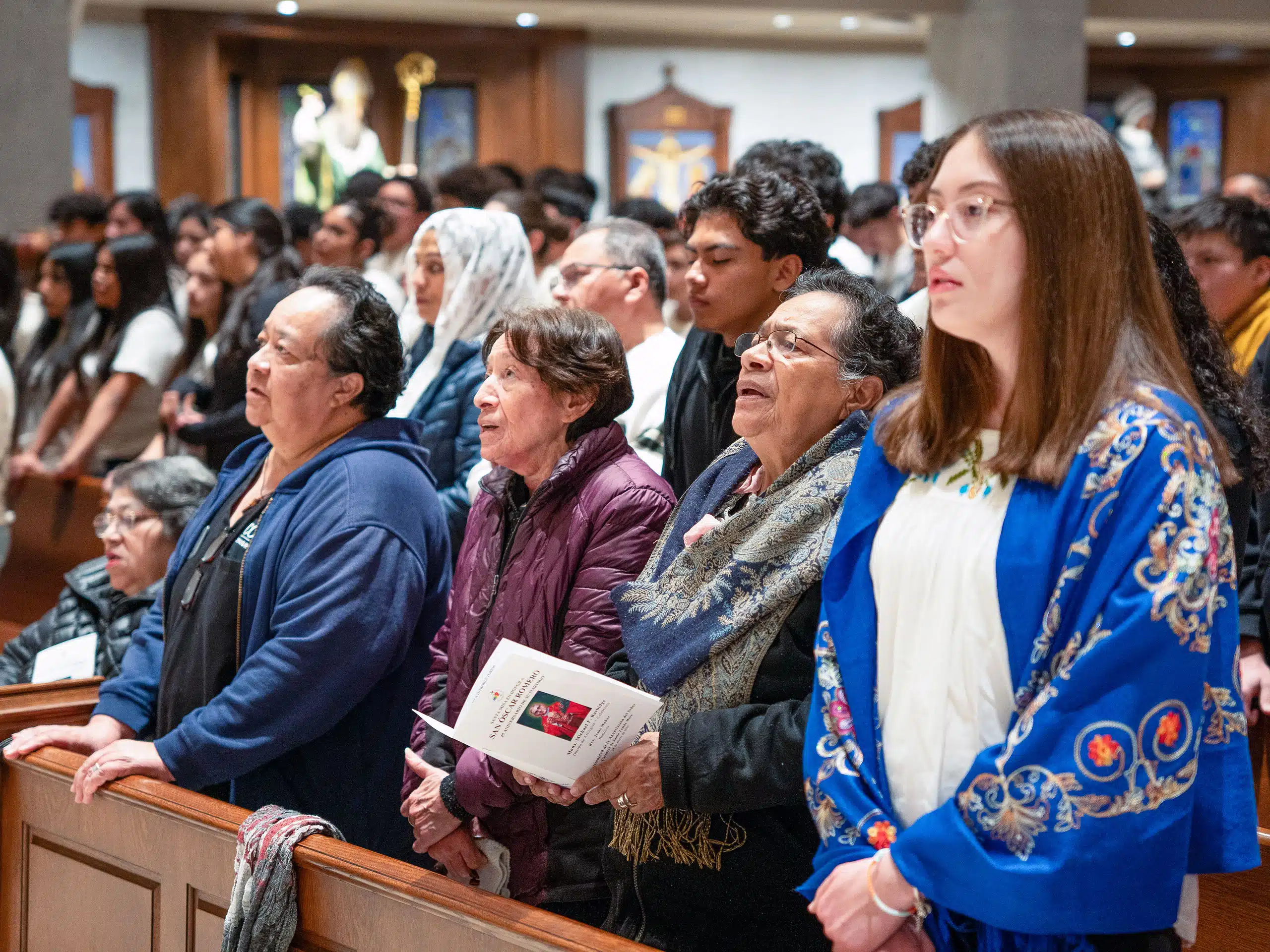
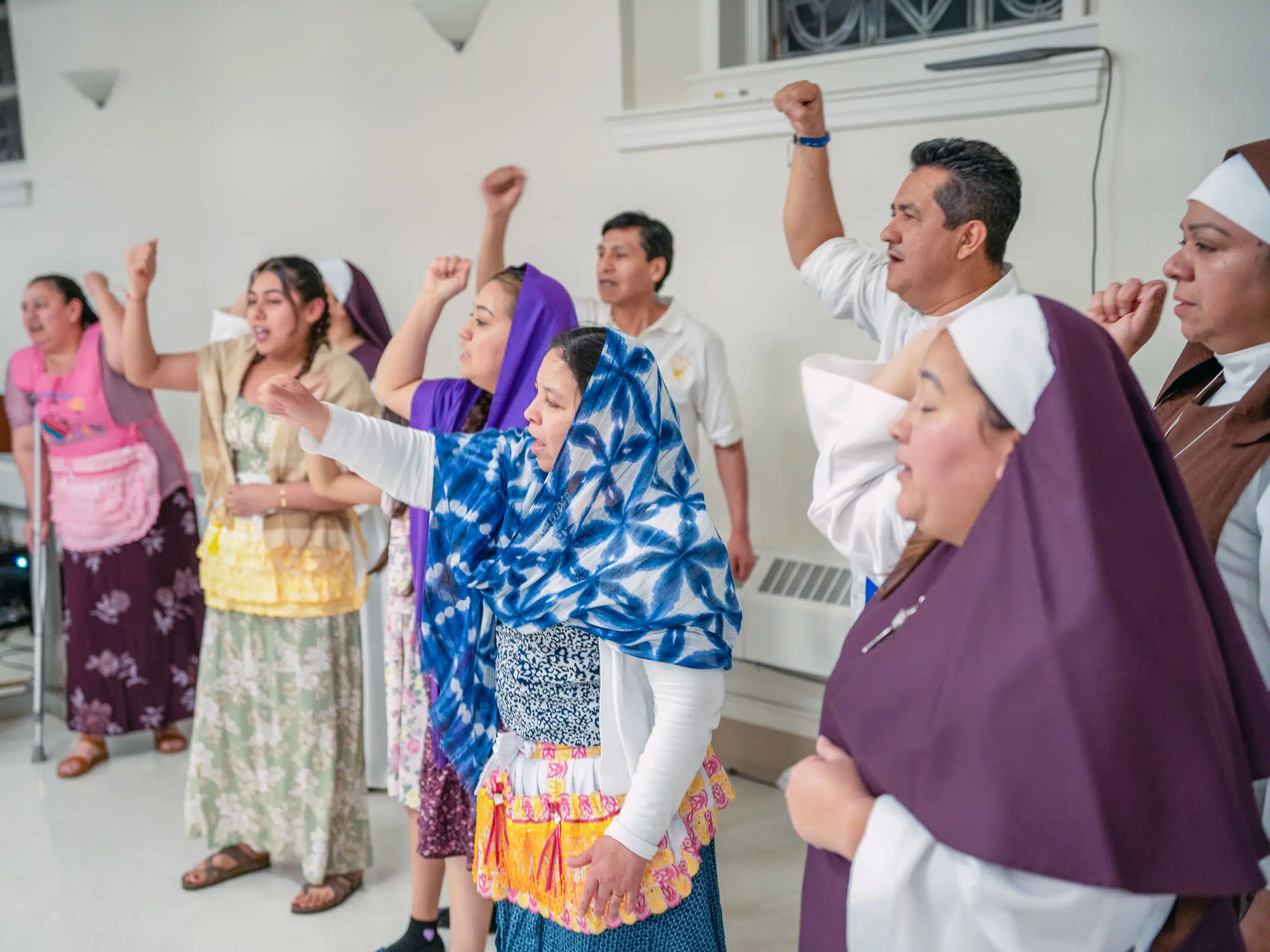
Galdamez was one of more than 500 who attended the special Mass, celebrated by Bishop Michael F. Burbidge, on the 45th anniversary of the martyrdom of St. Oscar Romero at the Cathedral of St. Thomas More in Arlington March 24.
“At that time, anyone in El Salvador who tried to speak the truth would be killed,” said Galdámez.
Jose Campos was 19 years old and in the final weeks of his military service March 24, 1980, when his unit was dispatched to the chapel at the Divine Providence Hospital in San Salvador. Romero had just been shot as he began to prepare the offertory gifts for consecration.
“I was about to leave the barracks,” said Campos, through an interpreter. “I was in the first infantry brigade located in the capital. They told us to get ready fast because Archbishop Romero had been murdered, so we got ready and we went out to the place where he had been murdered. We didn’t go inside where the body was; we were outside working as security.”
Romero was outspoken in condemning the violence and social injustice in the bloody Salvadoran Civil War pitting the military regime against left-wing insurgents. No one was ever convicted in Romero’s murder, and Campos admits he knew very little about what was happening at the time.
“I was a young lad,” he said. “Little by little, I’ve been discovering what drove him to speak out. People like him are few, who give up their lives by speaking about the people and the injustice. I did know that we were entering a war and I would ask myself, ‘Why this war — why? ’ I didn’t know how this war between our own people had started and why it was happening. It was a dirty war. A lot of innocent people died.”
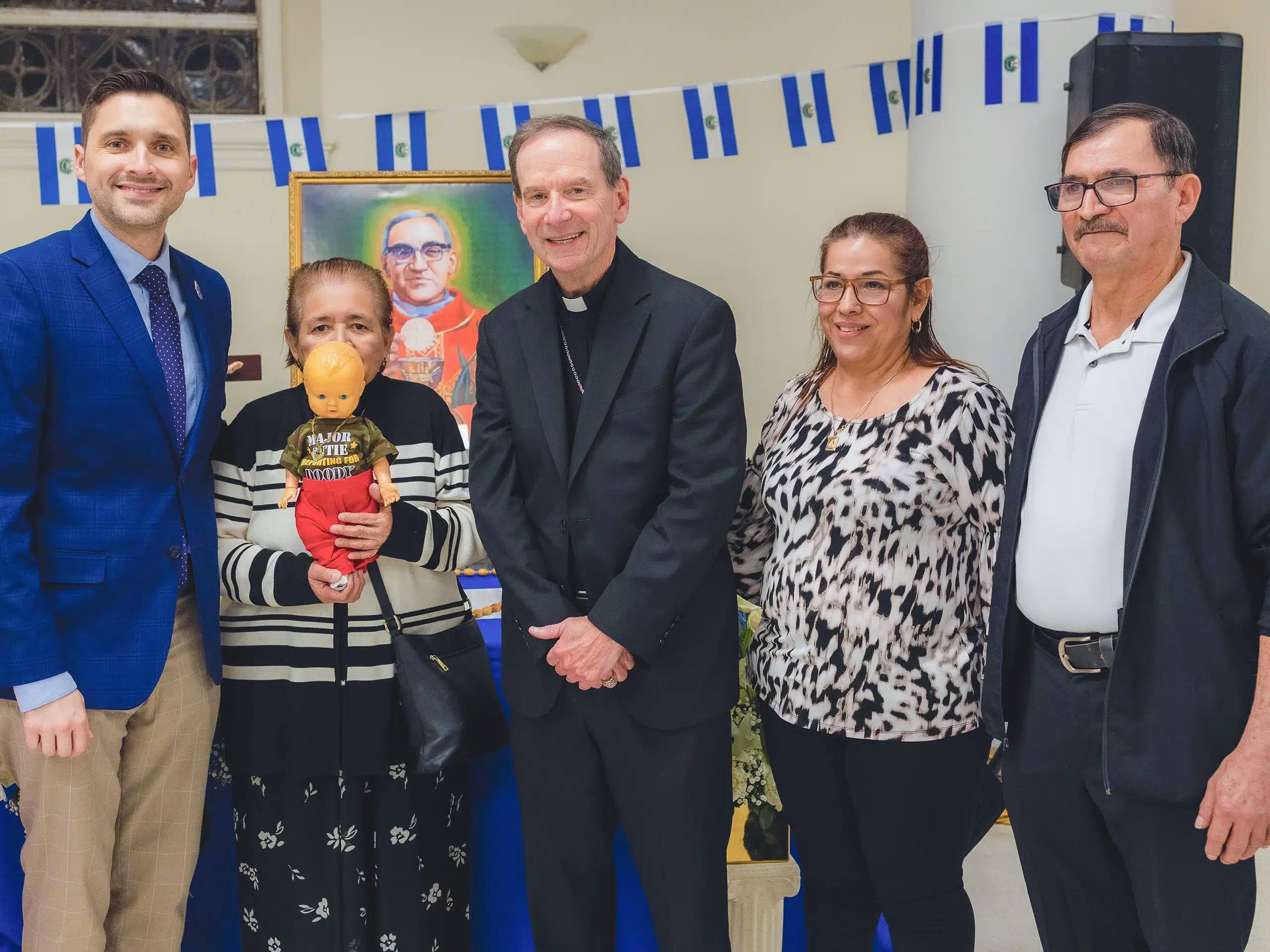
When Sara Estrada was a child, she received a doll from Romero. “I remember him dearly,” she said. “It is such a blessing to have known him, and I am happy to be here celebrating this special event.”
In his impassioned homily, Father Jesus M. Ramirez, parochial vicar of the cathedral, urged all to listen to the voice of the saint. “The death of Romero meant the beginning of a new era,” he said.
“The death of Romero was a bloodshed that would germinate and bear so many fruits in the kingdom of God,” said Father Ramirez. “Romero identified with the neediest, the men and women who truly trusted in the Lord.”
Ana Alvarez was 15 years old when Romero was killed. She remembers him walking the streets of San Salvador. “People would ask him, ‘What will happen if you are killed?’ ” she said. “And Romero would say, ‘I will be resurrected.’ ”
Father Alex Diaz, pastor of Queen of Apostles Church in Alexandria and a native of El Salvador, was 3 years old when Romero was assassinated. “He really showed the love of God to the poor and defended them with his life,” said Father Diaz. “He was a good shepherd who defended the rights of the people and invited the people to conversion. That is Romero.”
“St. Oscar Romero is a blessing,” said Campos. “To me he is a spiritual hero.”
“We want people to remember him for his love for the people,” said Galdámez. “The way he spoke and the way he encouraged the people. We know that there will never be somebody like him ever again.”