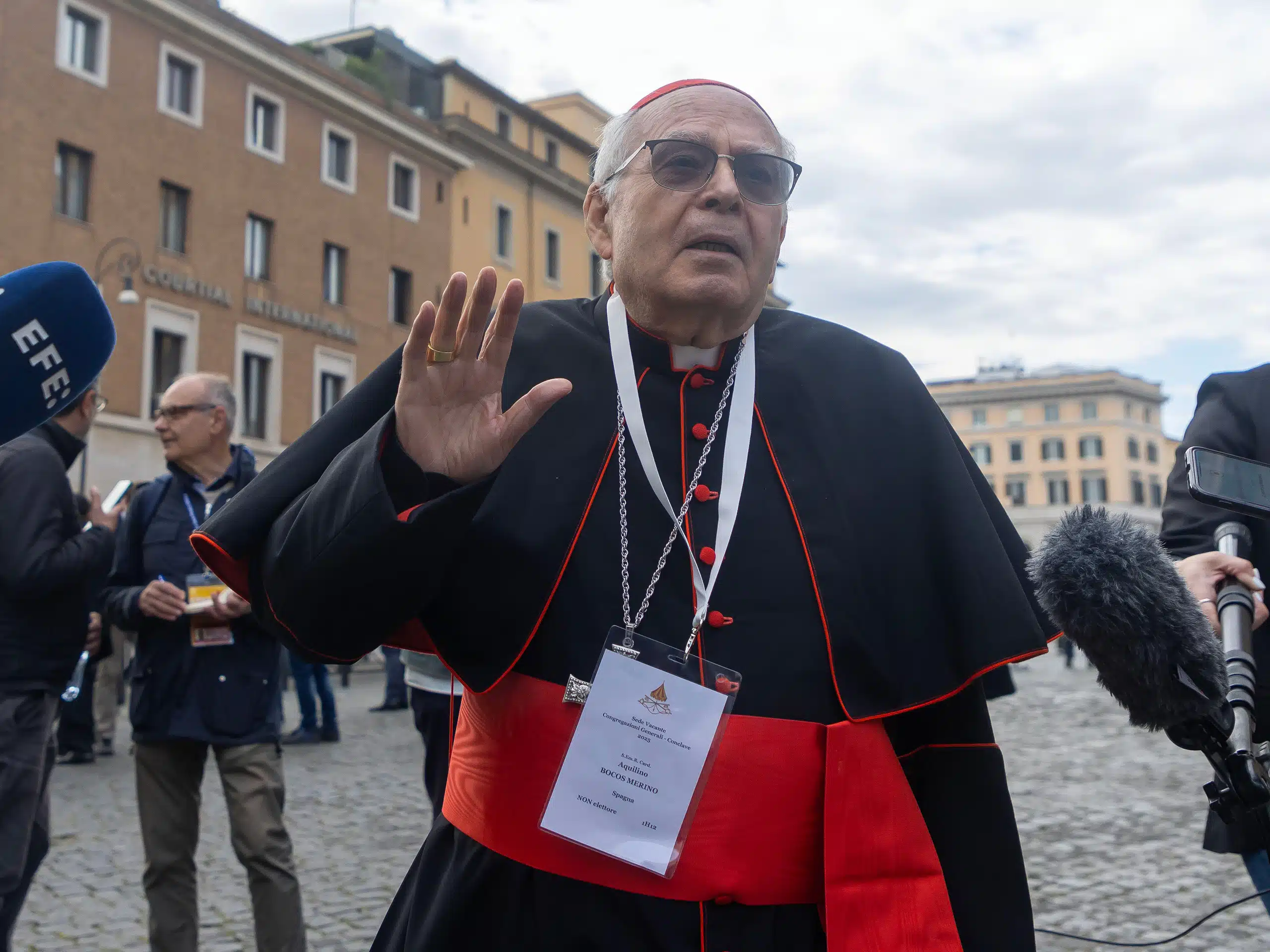
VATICAN CITY — When the conclave begins May 7, there will be 117 cardinals who will not be allowed into the Sistine Chapel to take part in the voting process that chooses the next pope.
Because of reforms enacted by Pope Paul VI in 1970, cardinals who are age 80 or over when the pope dies are excluded from the closed-door proceedings.
But just because these members of the College of Cardinals will not get a chance to step up to the plate and vote for the next pope, it does not mean they are not part of the ballgame.
The over-80 cardinals can be part of the preconclave meetings called general congregations. Those are daily meetings in which the College of Cardinals has been preparing for the conclave, discussing the needs of the church and handling business that must be attended to between popes.
The meetings give all cardinals the chance to speak up about the different issues under discussion. The older, more experienced cardinals may even be sought out to offer advice, opinions or thoughts about what would be best for the future of the church.
The gatherings are important as well for the elder cardinals, who, being retired, do not have an active episcopate.
Setting an age limit on who can attend a conclave is not a form of “punishment” against elder members. Pope Paul instituted the age restrictions out of regard for the older cardinals, to take the burden off them having to make the long trip to Rome.
And having a ceiling on the voting age actually serves a more practical purpose.
Having a precise date for cutting off a cardinal’s status as elector helps the pope maintain at all times a consistent number of voters for his successor.
For example, if the next pope knows that by 2030, 20 cardinals will have turned 80 and are no longer eligible to vote, then he will know ahead of time and can prepare to elevate 20 more new cardinals to take their place.
Otherwise, with no age restrictions, a pope would have to wait for a cardinal to die before replacing him, and not knowing when someone will pass away means risking having unexpected losses in the number of cardinal-electors and long periods of time before they are replaced.
The age limit, therefore, keeps conclave numbers steady and predictable, and voters relatively young.