Good things don’t always fit neatly in a box. Neither do popes. But even among devout Catholics, papal presumptions or “hot takes” abound.
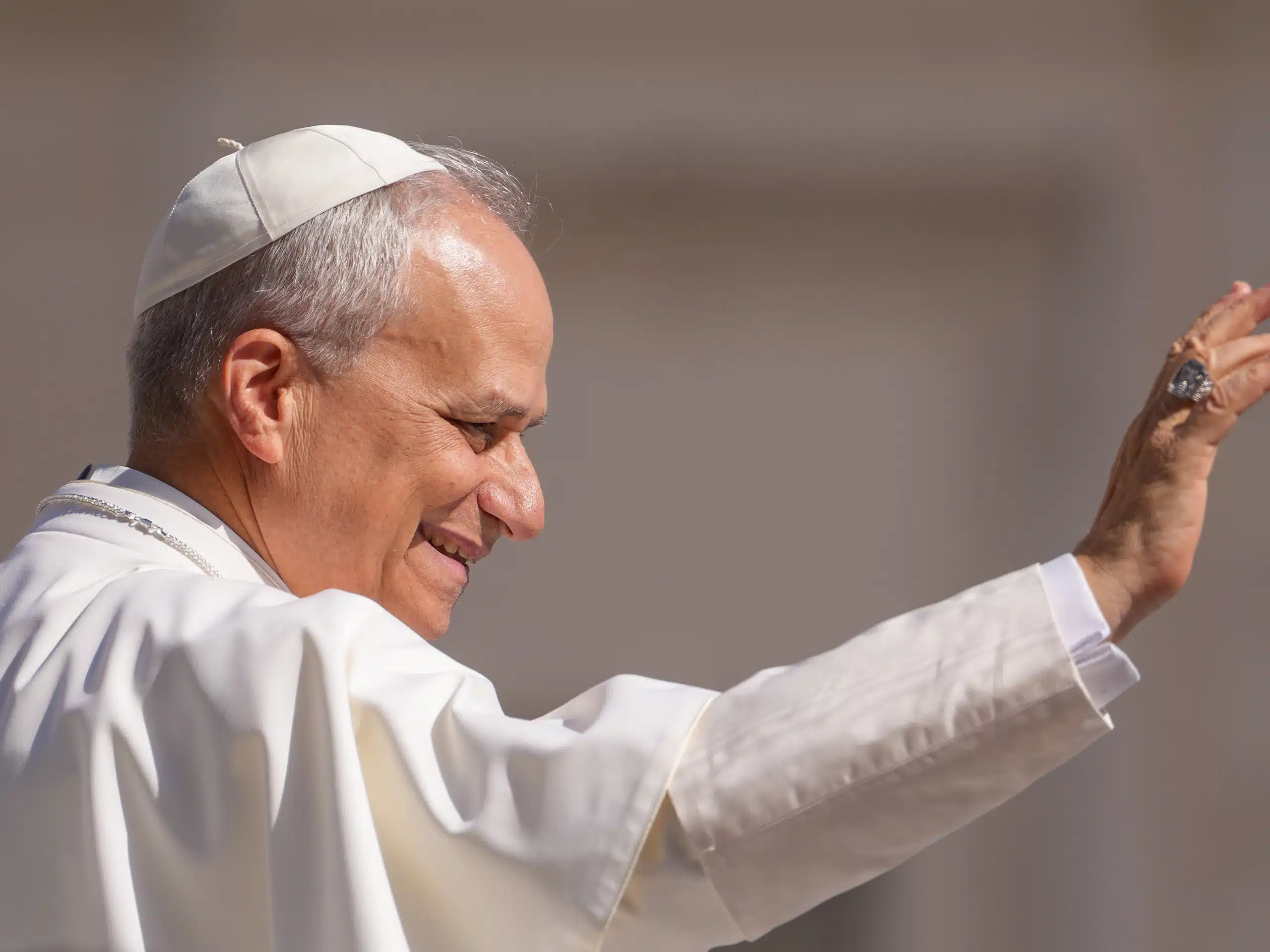
Perhaps you’ve heard, “Pope Leo XIV dresses in historic garb, so he must be conservative.” Or, “He previously reposted social media concerns about gun violence, so he must be liberal.”
In reality, people are more complex. While such labeling is click worthy, it is more harmful than helpful in building up the Body of Christ.
These “takes” about the pope can assert or encourage false, misleading, flawed, incomplete, or uncharitable judgments. They invite misunderstandings not only about the successor of Peter, but the very body, the church, which is both a divine and human reality.
While boxing any pope with a label may serve a human agenda, it undermines the transcendent and overflowing beauty, truth, and goodness of a church not fit for boxes of individual creation. A pope, along with all baptized members of the church, would be best described as Catholic, meaning universal. This universal body is called to unity — the laity, clergy and pope — in communion with Christ, the true head of the church. Does labeling the pope foster unity or promote division among the body?
We do know this current pope takes inspiration from Pope Leo XIII, who criticized aspects of both socialism and capitalism in 1891. Popes eschew labeling as does the church, founded by Jesus, who is even harder to box with a label.
The church is built on a beautiful mystery: God, the creator of the universe, became one of us in Jesus Christ, fully God and fully man, like us in all things but sin. Believing this requires more than human reason and deduction. It demands trust and surrender. Embracing mysteries of faith may be scary for some when making assumptions and judgments feels safer or easier. Embracing mystery is probably the opposite of a “hot take.”
As Catholics, we have been given a mandate to love others. Christ is our example, who guides the church through the power of the Holy Spirit. Love requires more than labeling.
Aspects of a particular papacy’s teaching may appear conservative, liberal, traditional or progressive. In reality, it might just be closer to what is, well, Catholic. At times, that might be uncomfortable, yet the Gospel isn’t supposed to make us comfortable. It’s supposed to transform the world and lead us to salvation in Christ. He renews our humanity, allowing us to partake in his divinity.
The pope is not perfect. He will undoubtedly stumble. But he has a unique vocation to lead the church on earth, guided by the Holy Spirit. Every new papacy provides a renewed opportunity for us to listen for that voice. And ask yourself: is critiquing the pope good for my soul or for the church? Is it attractive to others?
Pray for the pope. Likewise, trust the Holy Spirit, who Scripture tells us won’t allow the gates of hell to prevail against the church. But the Spirit can be stifled, if we build up boxes instead of the body.
Irons, a parishioner of St. Philip the Apostle Church in Falls Church, is a national correspondent for EWTN News, based in Washington.