The big leaf hydrangeas were a bust this year.
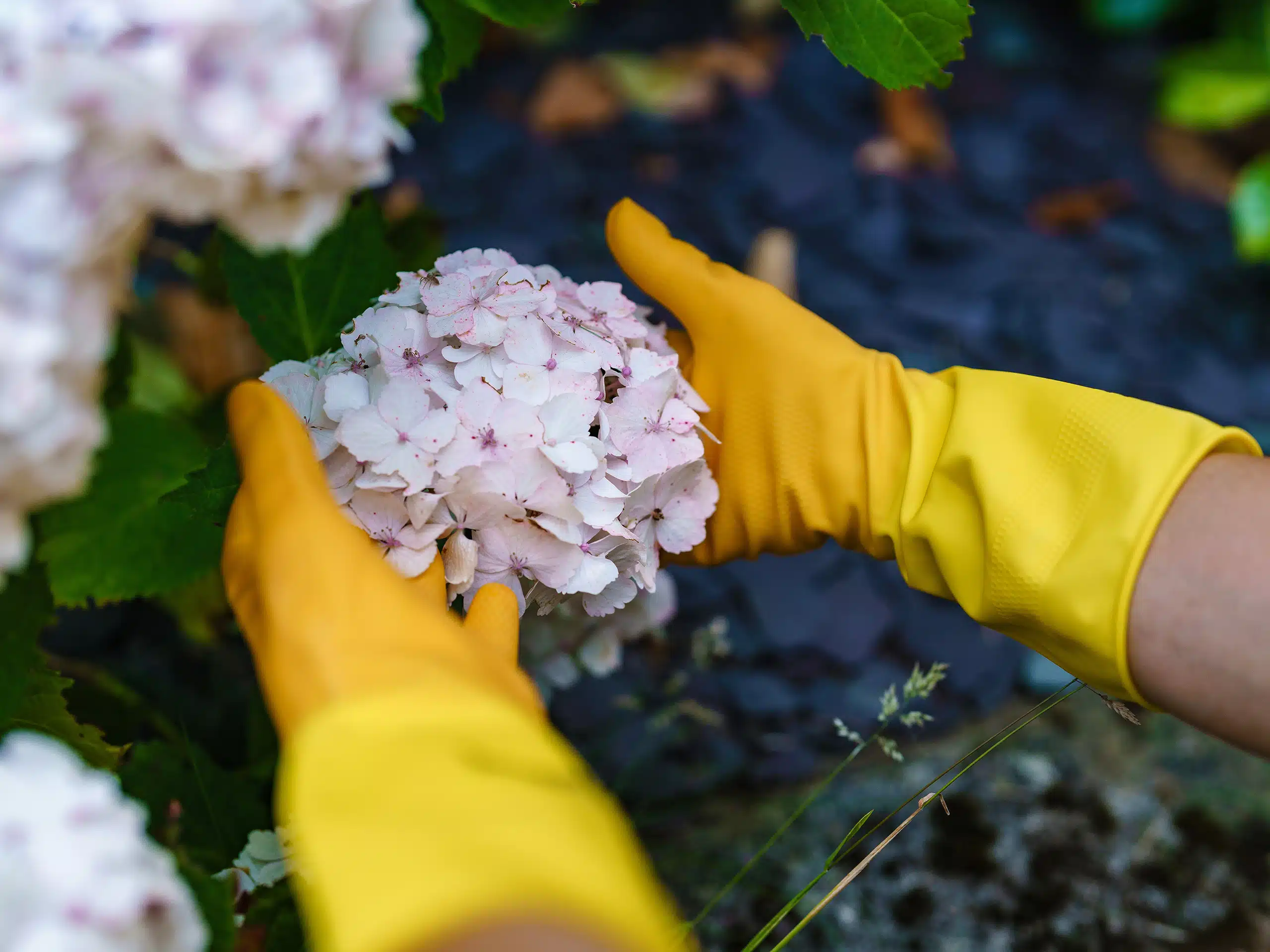
After a stunning year last year, we got five blooms total this year. So disappointing. The panicles have been slow to bloom, but now we have a multitude of fluffy ivory flowers growing throughout the yard. I love the creamy white abundance of hydrangeas in full bloom at the peak of summer.
Back-to-school ads and promises of freshly sharpened pencil bouquets tell me summer is well past its peak, but I have my own way of marking time. The summer is fading when the panicle hydrangeas outside my back door turn from ivory to antique rose. That has not quite happened as I write. But likely, there will be a blush on the blooms by the time you read this.
Those waning days, just past peak, that’s when the flowers are at their very best. Is it also true of us? As we fade from the heady heat of summer to the cooler, crisper days of autumn, is the best yet to be?
Maybe that’s what this time of year is for: not so much the thrill of beginning (though there will be plenty of new starts), but the grace of becoming. The blooms aren’t pristine anymore, but they’re lovelier somehow. They’ve weathered heat and drought and surprise storms, and they’ve changed — deeper, more complex, tinged with pink and bronze. They invite me to contemplate what has changed in me, too. What did I gather this summer, in the tumultuous and disappointing places? In the unexpected quiet and stillness? Maybe the gift wasn’t in what flourished easily, what bloomed right on time, but in what deepened slowly. Maybe the best things aren’t loud and lavish but hidden in the subtle shift from green to gold.
This summer began with so much rain. The ground was saturated; the basement was damp. Then, we went weeks in the heat of late July and August with nary a shower. The sun was harsh, but the strongest roots took hold and strengthened. The disappointments and the sorrows became a kind of fertilizer. Even in the scorched places, something grew. Truth be told, I spent most of the summer fighting one illness after another. Most of my outdoor plans faded into long days spent in gingham seersucker pajamas. It seemed like rather a waste of a season.
Was this God’s plan all along? He is the master gardener, the one who grafts us onto his branches, who prunes away the vines that are to our detriment. He was quietly at work beneath the surface, in the places I mistook for barren. He’s not only present in the radiant blooms of our lives, but also in the slow fading and the subtle turning.
The poetry of Isaiah reminds us that “the rain and the snow come down from heaven and do not return there but water the earth, making it bring forth and sprout, giving seed to the sower and bread to the eater.” (55:10) Nothing is wasted in God’s economy. Not the soggy beginnings, or parched waiting, or the days spent in pajamas wishing I were in the garden. Grace isn’t always shining and obvious. Sometimes, it’s hidden in the roots, doing deep work despite the appearance that everything is still. Even seasons that seem utterly unproductive can be the sacred ground where he does quiet, important work in us.
Sunlit days here in the northeast are noticeably shorter. The afternoon light has taken on a glorious golden hue. As I reflect on the season that is fading, I’m so drawn to the hope of the one ahead of me. I refuse to believe that this was a wasted summer. I think it was a fruitful one in the most unexpected ways. Blooms came late, but they promise to be even more abundant as the season shifts. Tiny petals on the full ivory cluster blooms will fade to antique rose, and I can give wholehearted thanks — not for the summer I envisioned coming to fruition, but for the one God gave me. I look forward to the harvest of the fall. Perhaps it will be smaller than the one I imagined, but each and every gift of this good earth will be ever dearer.
Foss, whose website is takeupandread.org, writes from Connecticut.