It seemed like a normal weekday of pastoral work in early February for Father Donald J. Planty Jr., pastor of St. Charles Borromeo Church in Arlington. But he was about to make two discoveries leading to a secret hidden for 107 years.
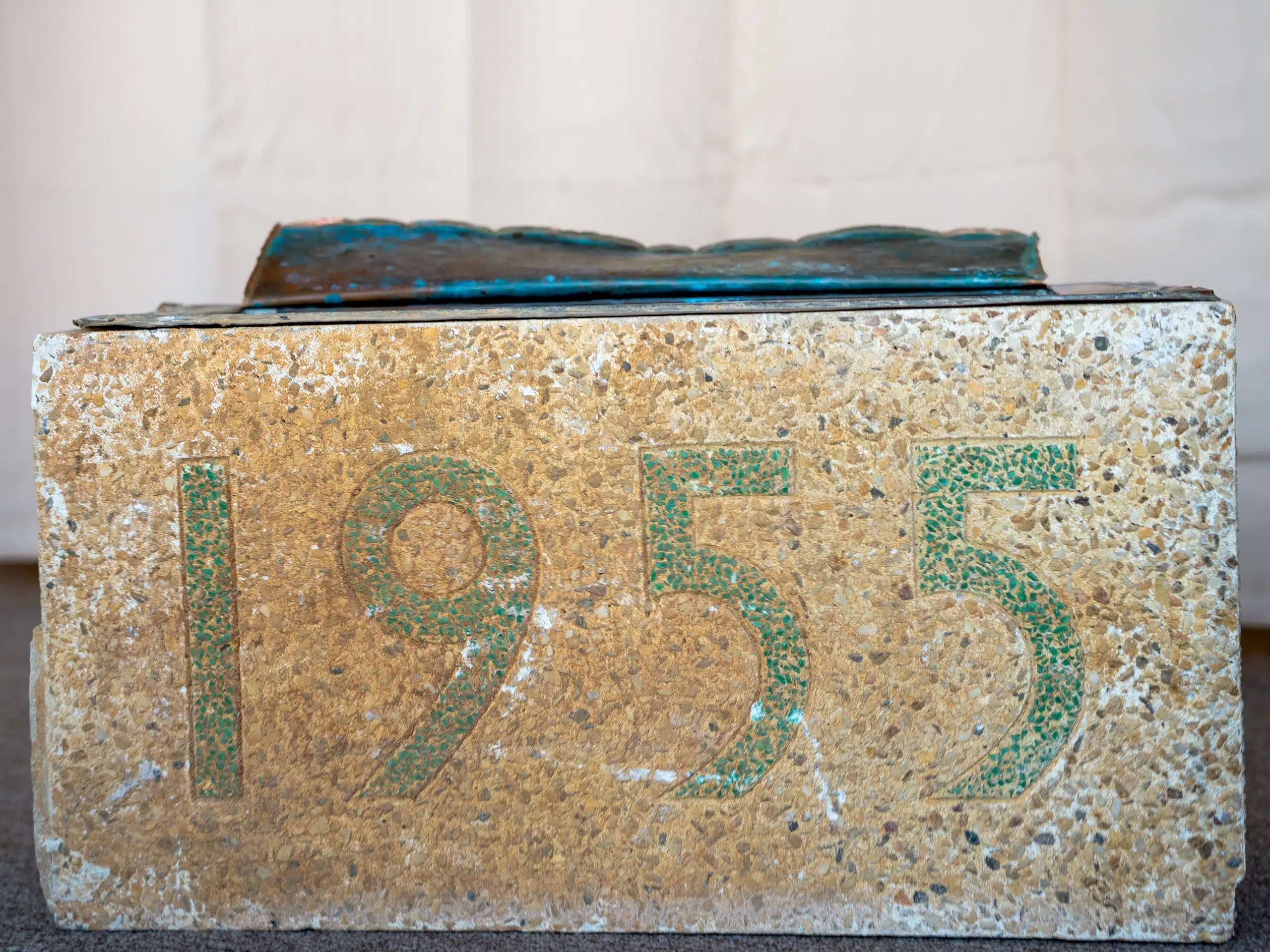
First, a maintenance worker informed him that, hidden away in an old closet, was clearly the 1955 cornerstone of the parish school and convent. It had most likely been removed and stored away when the new parish center was built in 2004. More significantly, it appeared to contain a time capsule.
“I was excited — I love history and I know the history of this parish very well,” Father Planty said. “And sure enough, there were treasures in there.”
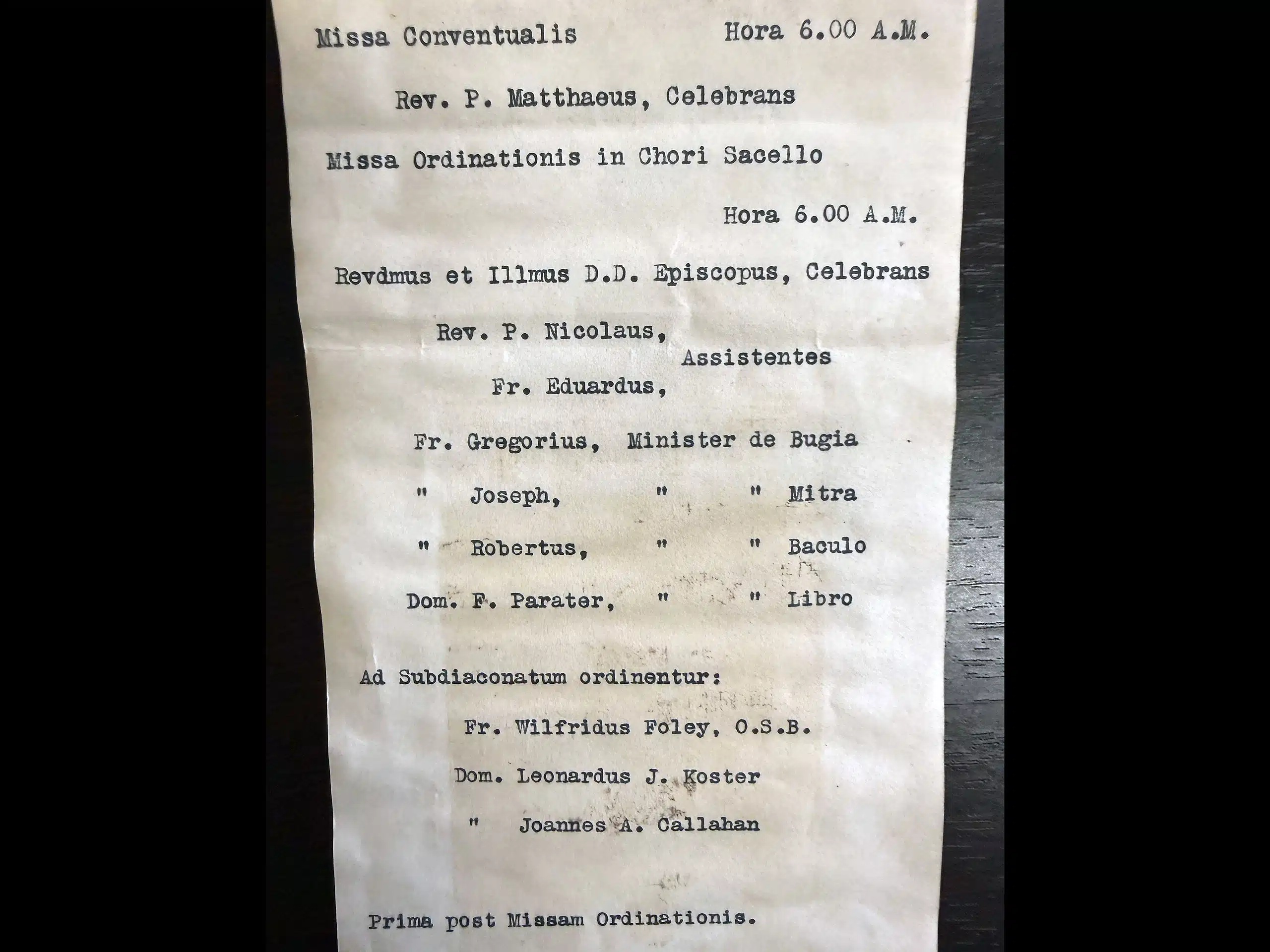
The greatest treasure he found in the time capsule was a list of ministers serving an ordination Mass, type-written in Latin on crinkled paper, dated “21 Decembris, 1918.”
“The biggest surprise was seeing that a man who hopefully one day will be a canonized saint was right here at St. Charles,” he said. “I thought, ‘This is awesome and inspiring.’ The Servant of God Frank Parater, that holy seminarian, had been here and served a Mass in the old church.”
It seems that Parater, a 20-year-old seminarian of the Diocese of Richmond — which at that time comprised all of Virginia — traveled with Bishop Denis J. O’Connell to serve a Mass for the ordination of subdeacons on the Feast of St. Thomas the Apostle that morning in Arlington.
One of the three men ordained to the subdiaconate was Leonard Koster, who later served as pastor at St. Charles and built the school and convent in 1955. He doubtless included the record in the time capsule to highlight the progression of his vocation at the parish, from subdeacon ordained to pastor. He later also built the church (1960) and rectory (1965).
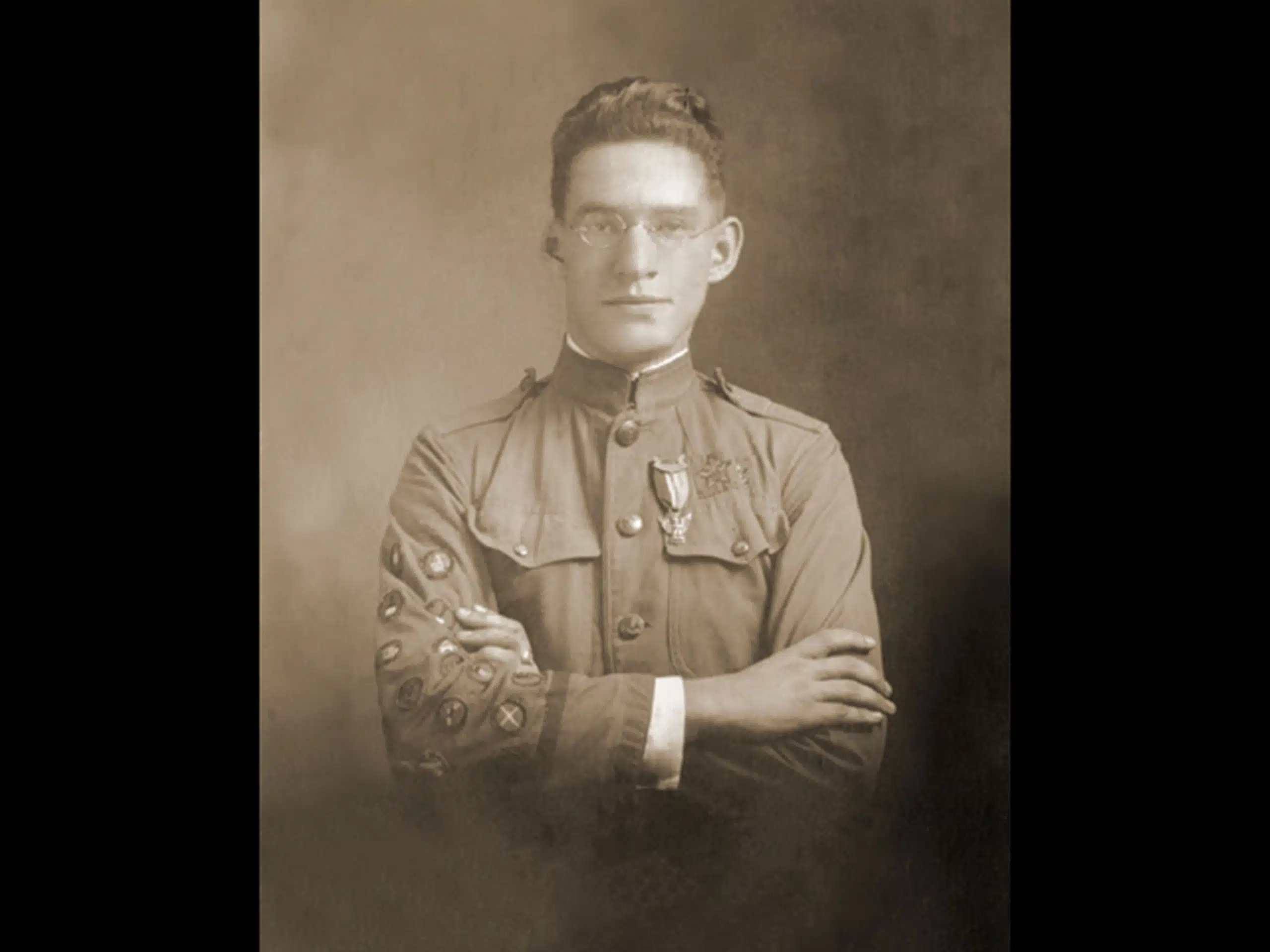
Until now, no one knew that Servant of God Francis J. Parater, who died at 23 in Rome in 1920 while studying at the Pontifical North American College, had ever visited Arlington.
“This reminds us that holiness is possible in any place, including here,” said Father Planty. “Sometimes, as Americans, I think we’re tempted to think of the lands of the saints as the far-off France of St. Therese or the Rome of the martyrs, but our land too has been bathed with the blood of martyrs — the Jesuit Martyrs in New York — we have two saints buried in Philadelphia (Sts. John Neumann and Katharine Drexel), one in Emmitsburg, Md. (St. Elizabeth Ann Seton), one in New York City (St. Frances Xavier Cabrini), and this holy man and, God-willing, future saint, who is buried in Rome but who trod this earth right here at St. Charles Parish.”
A native of Richmond, Parater was recognized as a model of Christian virtue as a child who had extraordinary gifts of evangelism. Stricken with Rheumatic Fever in Rome and knowing that his condition was grave, Parater penned an Act of Oblation to the Sacred Heart of Jesus, which was discovered after his death:
“I have nothing to leave or to give but my life and this I have consecrated to the Sacred Heart to be used as He wills. I have offered my all for the conversion of the non-Catholics in Virginia. This is what I live for and in case of death what I die for. Since I was a child I have desired to die for the love of God and for my fellow man.”
Popes Benedict XV and Pius XI requested a copy of Parater’s Act of Oblation and it was published in L‘Osservatore Romano (Vatican newspaper) as well as the Richmond newspapers. Richmond Bishop Walter F. Sullivan declared him Servant of God in 2002.
“We’ve had saints in the D.C. area,” said Father Planty. “St. Teresa of (Kolkata) was at the Cathedral of St. Thomas More in Arlington and St. John Paul II came to D.C., and hopefully we can soon say that a saint visited St. Charles Parish, too.”
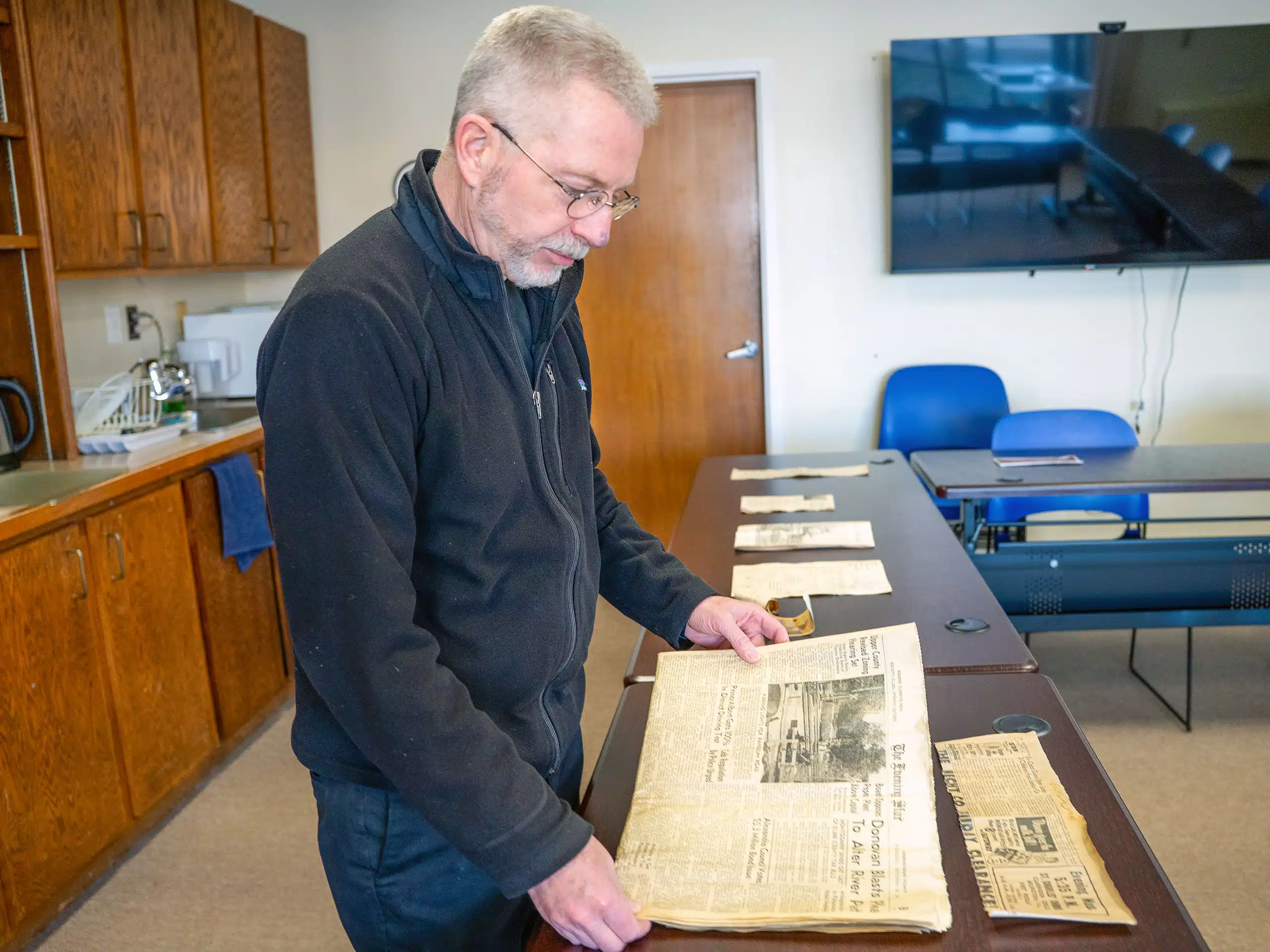
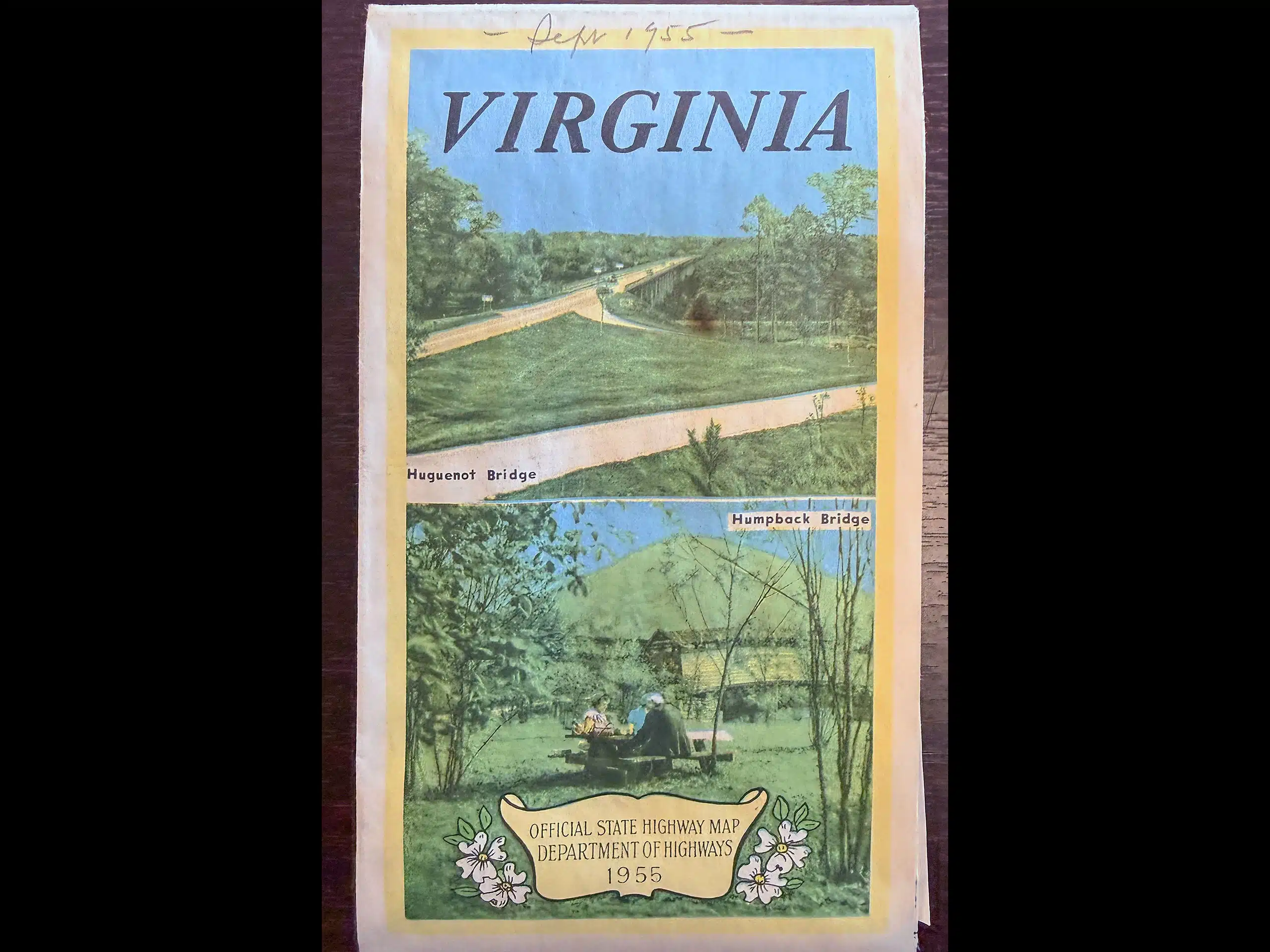
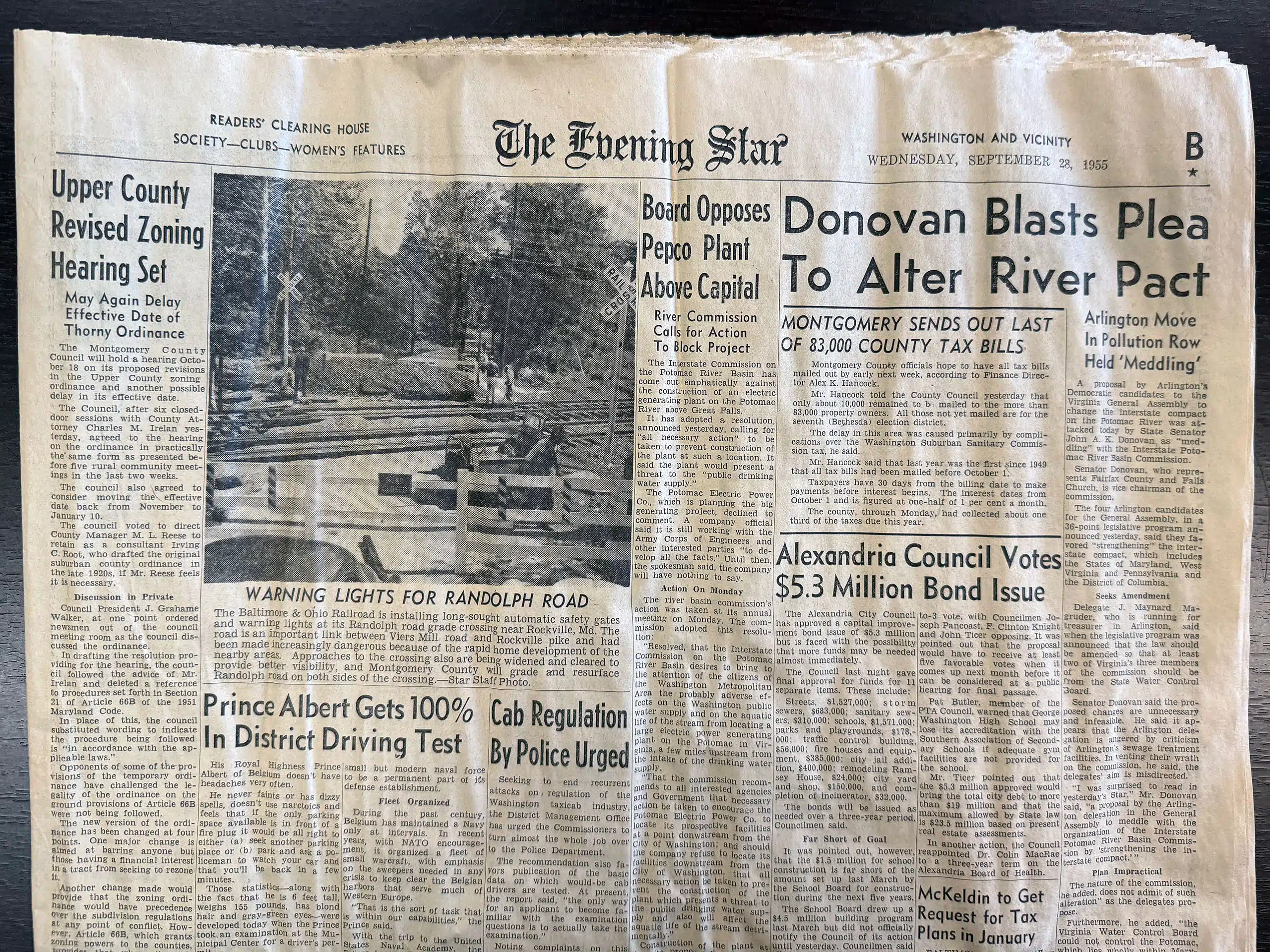
Other treasures from the time capsule include a church bulletin from 1955, architectural plans for the “proposed grammar school and convent,” faded photos of the original church building, a map of Virginia, 3-cent stamps, a book of matches from the old drugstore chain “Drug Fair” and a silver dollar.
After prying open the time capsule, Father Planty was hit with the earthy aroma of whiskey from a 1950s bottle of Scotch that had been placed in it. “Unfortunately, the bottle had broken and that’s why all the newspapers and documents are wrinkled and smell like whiskey,” he said. “It’s a shame — I think we would’ve enjoyed tasting a sip of that whiskey.”
After making a photographic record of everything, the contents will be handed over to diocesan archives as an important link to Virginia Catholic history.
“We need to be cognizant of where we came from,” Father Planty said, while pointing to the items spread on a table. “The parishioners who came before us sacrificed and raised money for building institutions that taught children and housed religious women for decades. They passed on the faith through their concrete sacrifices, which helped support the mission we carry on today.”