As we journey through the sacred season of Easter, the church encourages us to begin each new day with renewed faith. Our Lord is alive and with us! We can be confident that he will lead, guide and protect us in all our days to come. We must trust in him and in his mercy, knowing that he desires our happiness now and forever.
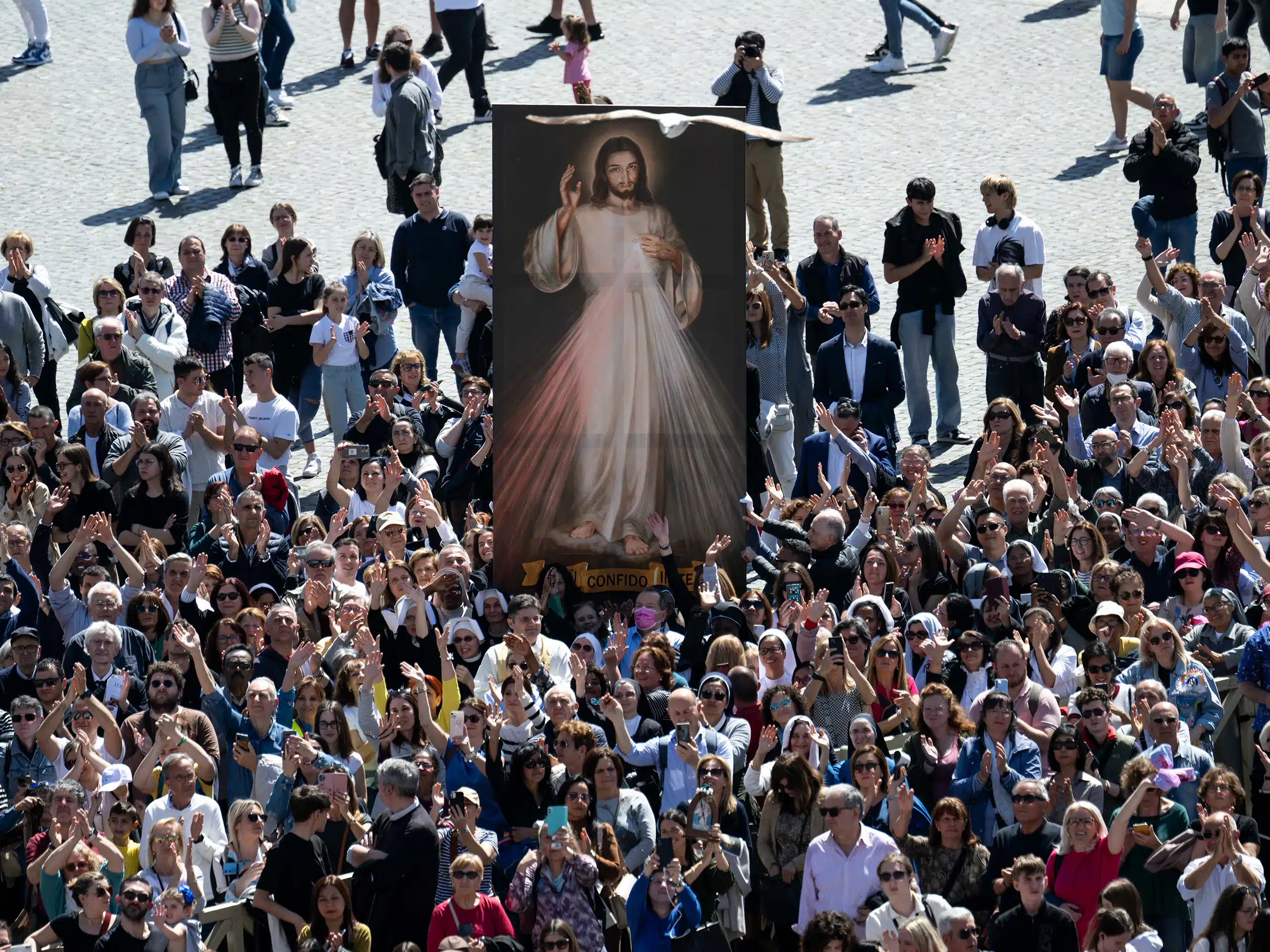
On the Second Sunday of Easter each year the church celebrates Divine Mercy Sunday. God’s divine mercy is revealed throughout the pages of Sacred Scripture, most especially in the Gospels. God is infinitely merciful with us, which is encouraging in light of our apparently infinite capacity to turn our minds and hearts away from him and to refuse the promptings of his Holy Spirit. Divine Mercy Sunday, instituted in the life of the church by Pope St. John Paul the Great in 2000 and inspired by St. Maria Faustina Kowalska, in a special way points to the Easter season’s reminder to hope and trust in God’s promises.
When we contemplate Our Lord’s death and Resurrection, and turn to God with earnest contrition, we become ready to receive his tender mercy. Trust in God’s mercy starts with a simple habit and straightforward prayer: “Jesus, I trust in you.”
God’s divine mercy protects us from any temptation to despair or hopelessness and requires that we cultivate a spiritual disposition that honestly and humbly acknowledges our failings and sins as well as any areas of our lives in need of God’s divine healing. When we turn to God with a contrite heart and sincere desire to begin anew, he can work wonders. When we grow in the practice of so humble and simple a prayer — “Jesus, I trust in you!” — we grow in confidence and conviction that no sin or failure of ours is greater than God’s love and mercy. And when we repent of actions, habits and dispositions that lead us away from sanctity, we please God and show that we earnestly desire what he promises: true life in abundance.
By recognizing and celebrating God’s mercy in our lives, it is natural that we also forgive others as the Lord forgives us — including those who have disappointed, hurt or even betrayed us. This may seem impossible. It requires God’s grace and our willingness to let his love and mercy grow in our mind and heart. It is always possible to forgive others, and sometimes even to reconcile in this life, by the grace of God especially bestowed to us in the sacraments. When we choose to remain at odds with others, when we are divided, when we are bitter, we cannot be at peace. Yet, God created us for peace and reminds us never to be anxious or to worry. So, with the help of the Holy Spirit, we must be merciful and, by our trust in God, come to experience his peace.
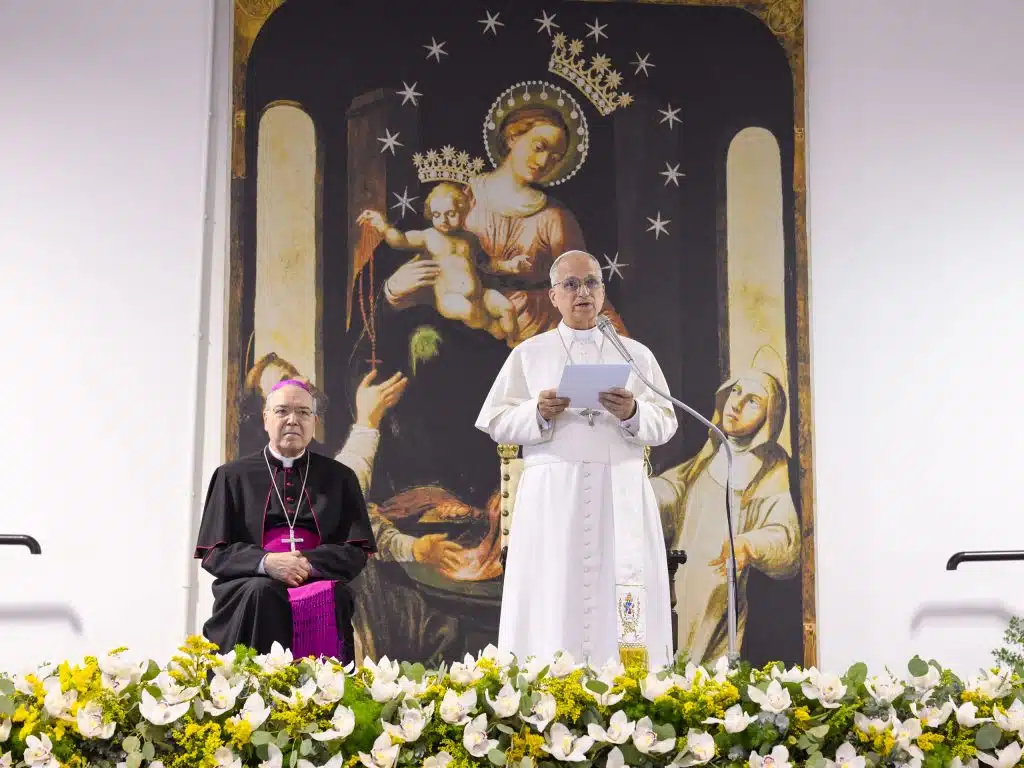
Next month we will celebrate the first anniversary of the election of Pope Leo XIV as the successor of St. Peter. As we reflect on God’s divine mercy, it is fitting also to reflect on the gift of Pope Leo XIV to the universal church. The Holy Father’s first words to the church were, “Peace be with you.” From the very first moment of his pontificate, Pope Leo XIV encouraged us to embrace the peace of the Risen Christ whom we celebrate in this Easter season and whose divine mercy reassures us now and throughout the year of his desire that we remain united to him. Our Lord’s peace is what each of us needs — what our world so clearly needs in this turbulent time in the life of our nation and the wider world. May we join in prayer for Pope Leo XIV and his intentions, and for the triumph of Christ’s peace in our church, nation and in our hearts.
As we seek to grow in holiness and walk in the newness of life our Risen Lord offers us, we are reminded of our constant need to ask for mercy; be merciful and trust in Jesus.