Every summer, about this time, parents begin to worry. They compare notes — or their kids share what other kids are doing — and they wonder. Should the children be in another camp? Should they have a different reading list? Some volunteer hours? An additional Vacation Bible School? Is this enough? Is it too much? Will they lose ground if we let the days become too loose around the edges?
We live in an age that mistrusts empty spaces. Every hour seems to demand a purpose. Childhood has become strangely professionalized, with résumés beginning long before anyone is old enough to have a driver’s license. Summer, once the season that stretched luxuriously before us, now threatens to become just another semester with better weather.
And I don’t think children are the only ones who have lost something. Adults have become just as overscheduled. We fill calendars with good things and worthy things and necessary things until there is scarcely room left for the kind of leisure that does not justify itself. Even our rest has become strategic. We optimize sleep, schedule self-care, and we “recover” so that we can get back to producing. Somewhere along the way, we have forgotten that a human being is not a machine requiring periodic maintenance.
Might I offer a different take on rest? One that is slower and more meandering than recovery. One that is gentler and so much quieter than entertainment. It asks nothing of us except that we remain present long enough to notice what is already there. Perhaps that is what summer was always meant to teach us.
I’m not advocating boredom for boredom’s sake exactly, though I do think there’s merit to it. I am becoming a proponent of things that don’t have merit; that aren’t taken up for the profit they may promise. I am not nostalgic for children wandering the house complaining that there is nothing to do. I am thinking instead of the spaciousness that allows curiosity to emerge on its own timetable. The afternoon when one book leads to another, just for the sake of losing oneself in the story. The walk that becomes longer because someone really wants to see what is just around the bend. The conversation that drifts without an agenda. The project no one assigned, and no one evaluated.
There should be hours that are never recorded in tidy rectangles on the internet or even in longform prose. Not every quiet time has to become a novel. Not every afternoon in the garden needs to yield an essay. Not every moment of reflection exists to produce insight worthy of sharing.
Sometimes the soul simply needs to air out.
Let this be permission to unfurl. We usually think of flags or sails, but people unfurl, too. We spend much of the year tightly wound around responsibilities, deadlines, expectations, and the constant low hum of efficiency. Summer invites us to loosen our grip. To stretch toward the light without immediately asking what will come of it.
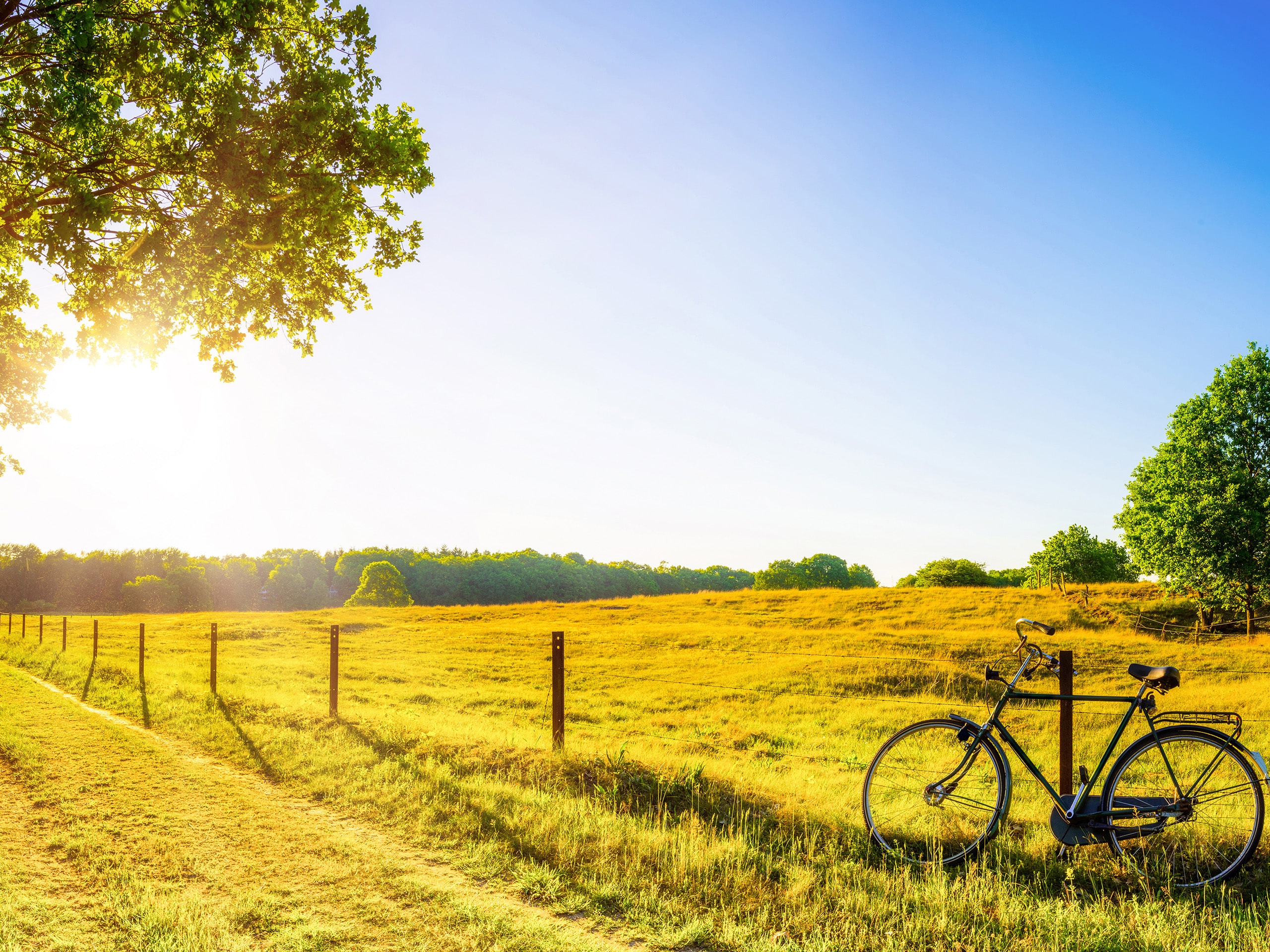
I think of sitting beneath a tree with a perfectly ripe peach. There is no hurry. The juice runs down your fingers into your palm and then lazily slips from your wrist. You feel the breeze flutter through the warmth. You appreciate the shade shifting with the sun. There is nowhere else you are meant to be. No photograph to take before you eat it. No lesson to extract. No story to post. Just sweetness received with both hands. (Yes, I do see the irony that you are reading these words in this essay.)
But unfurling at its best feels almost rebellious. It is the ultimate countercultural summer reprieve. Children who are given room to wander often discover the world for themselves. Adults who are given room to breathe sometimes rediscover themselves. Neither experience can be forced. Both require the courage to leave a little blank space on the calendar.
The world will always urge us to fill every hour. Listen carefully. Is this summer whispering a quieter invitation?
Unfurl. Sit in the shade. Let yourself be nourished without earning it and without having to produce anything for the privilege of breathing fully. Let the days become wide enough for wonder to find you when it is good and ready. Be fully rested in the best sense of the word.
Foss, whose website is takeupandread.org, writes from Connecticut.