Every fall, Seton School in Manassas gives students and their families a break from all the stress and deadlines in the form of the annual fall play. Seton’s plays, some humorous and fun, others serious and profound, excite students and their families every year.
This October, Seton’s call play was “Harvey,” a comedy that had the audience rolling in their seats. The play’s slap-stick comedy mixed with its intriguing characters gave the audience a memorable night.
“Harvey,” written by Mary Chase and premiered in 1944, tells the story of Elwood P. Dowd (played by sophomore Nicholas Vaughan), an affable man who claims to have a friend named Harvey. Elwood describes Harvey as a six-foot “pooka” resembling an anthropomorphic rabbit. Embarrassed by her brother’s theatrics, Veta Simmons (played by junior Moira McCardell) commits him to a sanitarium. Thus begins a comedy of errors that kept the audience smiling.
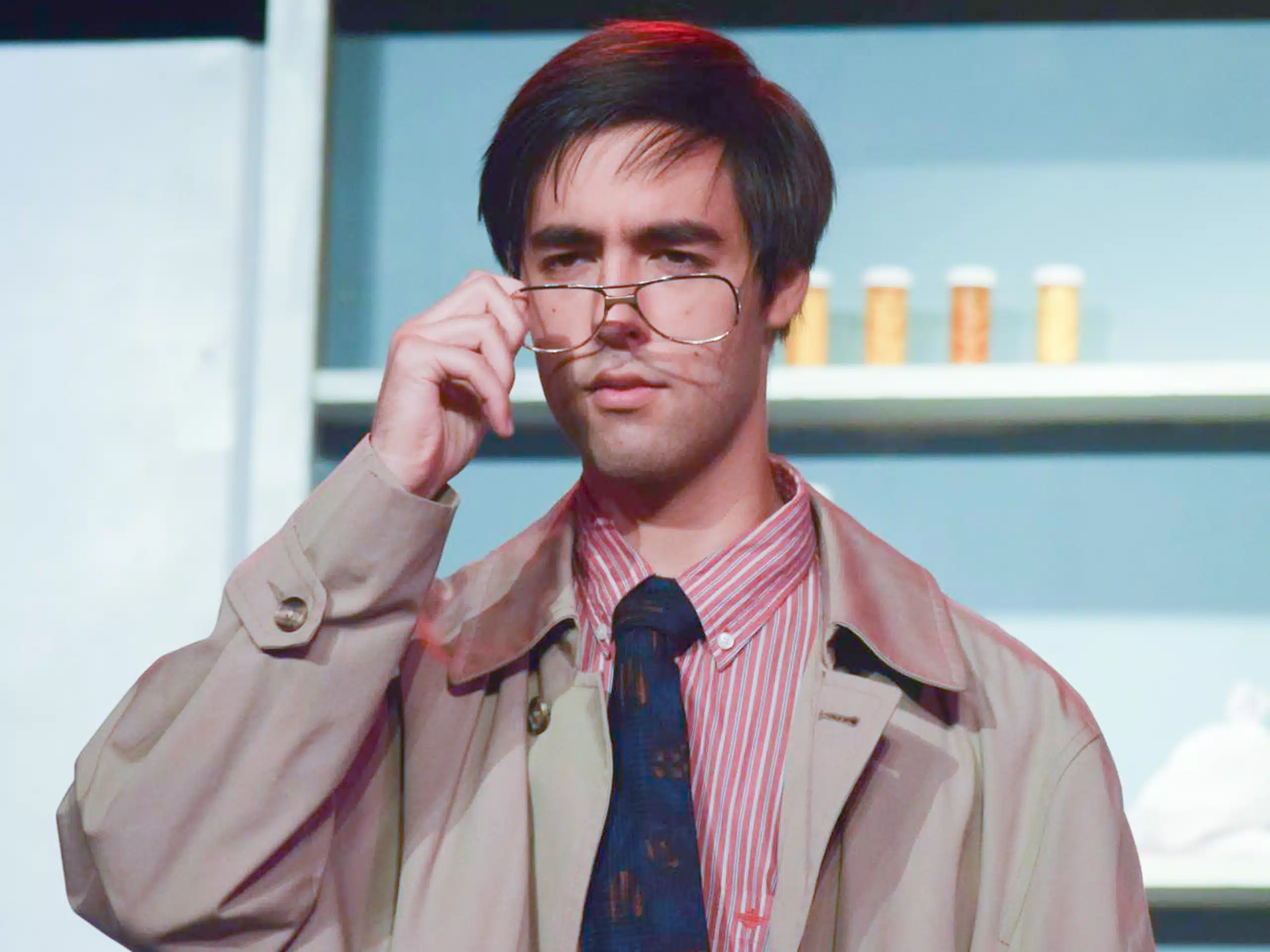
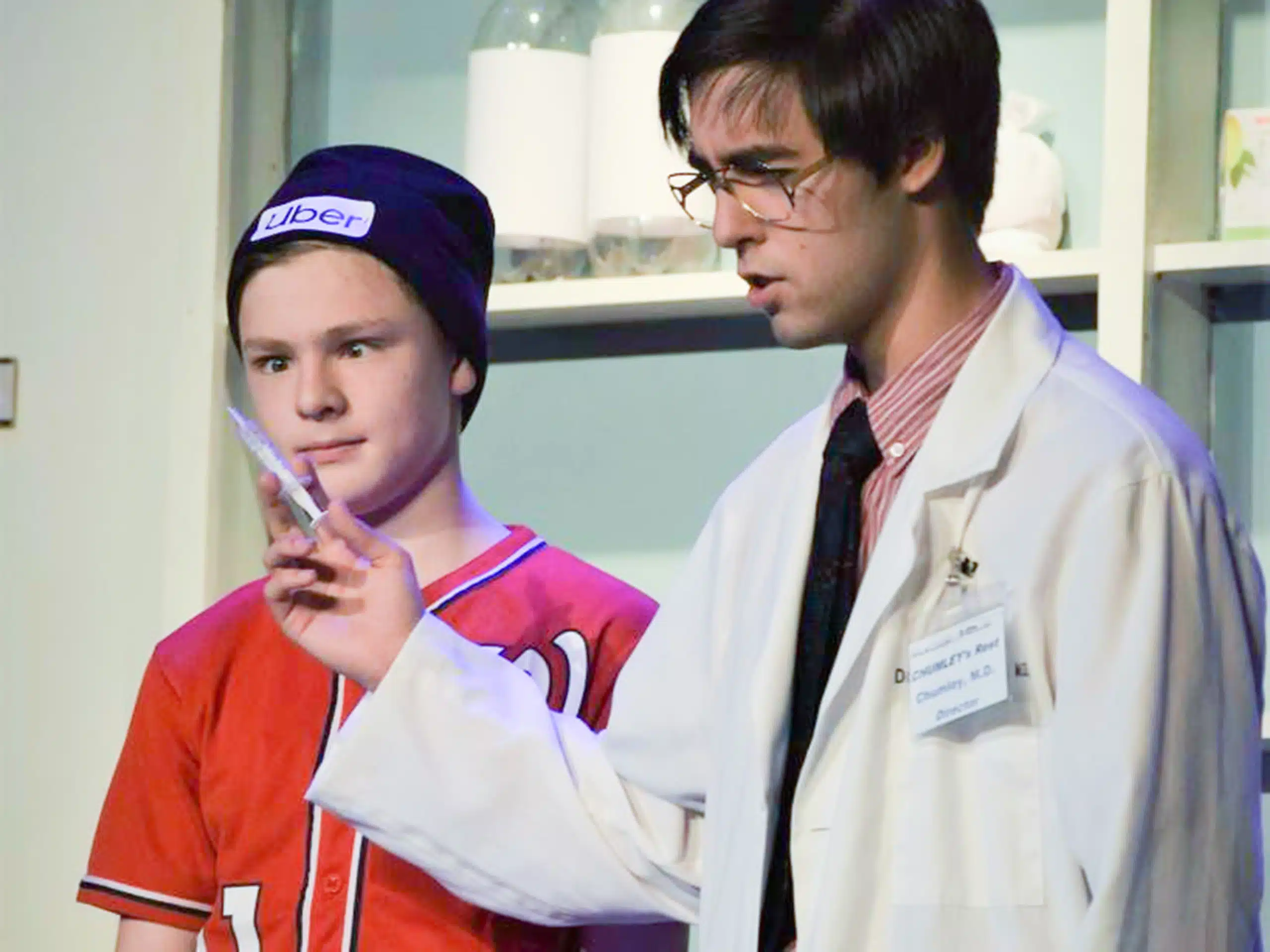
Actor Joey Allen (junior), who played the stressed Dr. Chumley, said that “working on the play was some of the most fun I have had in a while. Rehearsals are fantastic because I got to express a form of art that was entirely new to me, with my friends.” When asked what audiences seemed to most enjoy in the play, he said, “The play is full of heartfelt emotion and is filled with fun and sometimes hilarious parts. I hope they also found God’s message when seeing it.”
The play combined a steady and easy-to-follow story with superb acting from Seton students. The characters’ emotions and struggles felt potent and real. Because Harvey the rabbit is invisible to the audience, it was crucial to make the audience believe that he was present by means of character reactions and timing.
The set itself was painted and crafted to portray two different locations — the Elwood house and the
sanitarium. It accomplishes this by physically “flipping” the walls that have a different set on
each side, like a two-sided coin. This way of showing two separate settings pays off. Combining
both the credible acting and the set, the audience was immersed in both the plot and place.
The comedy was a mixture of both conventional 1940s comedy and 21st-century humor.
This combination successfully conveyed humor to both young and old alike. In the end, Harvey followed
in the footsteps of previous formidable plays, such as “Cyrano” and “Our Town,” chosen by Seton and
performed by the thespian students led by Seton parent and long-time play director Matt Moore.
“Harvey” proves that with dedication and imagination, the students can create an entertaining and godly message about hope, friendship and humor.