It’s a scene that plays out in churches every Sunday.
A child begins rocking back and forth and vocalizing as the parents try to bring calm, smiling at other churchgoers apologetically. At first others show patience but eventually the disapproving looks or unkind comments come and the parents of the child with disabilities head to another church, or simply quit church altogether.
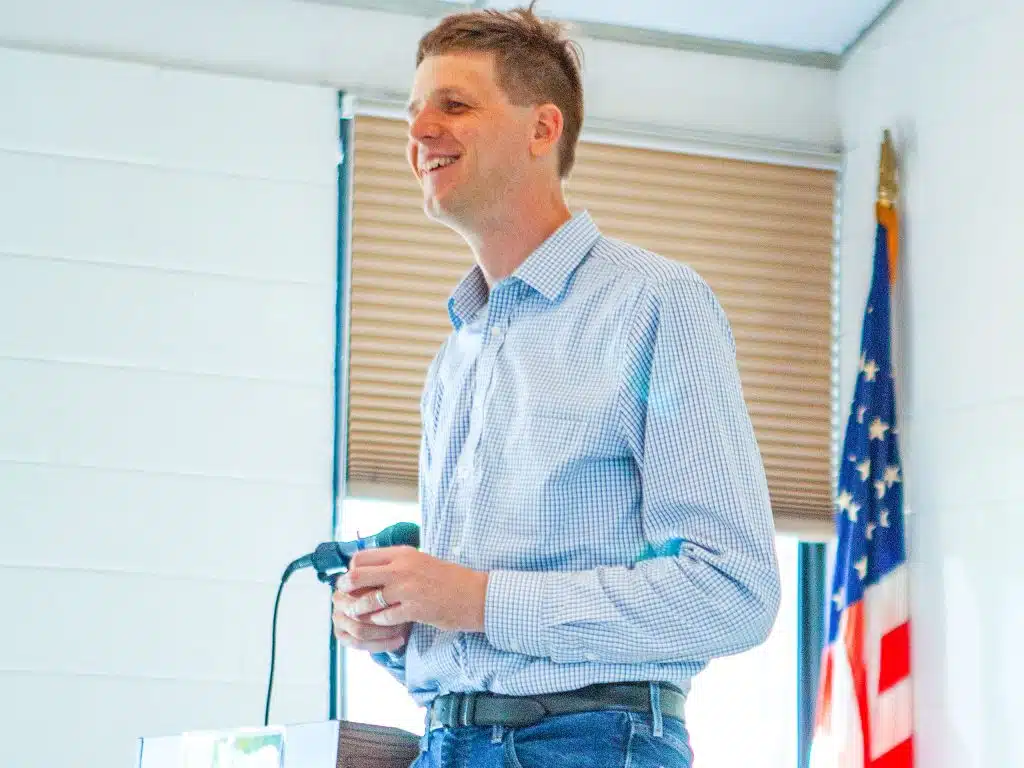
Mark Bradford says that the situation must change and it’s time for the body of Christ to get serious about not just welcoming persons with disabilities but embracing them. Bradford, a fellow for persons with intellectual and developmental disabilities at Word on Fire Institute, delivered the keynote address at “From Inclusion to Belonging – Creating Communities that Foster Mental Health for All” – a virtual conference held Feb. 17 and sponsored by the diocese.
“We have to force ourselves through our discomfort to engage people with disabilities and come to know them as human persons,” said Bradford. “We must see them as people, as brothers and sisters in Christ, with equal dignity to us and work to encourage engagement and inclusion.”
As the father of a 22-year-old son with Down syndrome, Bradford’s talk was personal and urgent, highlighting the fourfold statistical increase of anxiety and depression of people with disabilities during the COVID-19 pandemic. “What this points to is the insecurity and isolation that the pandemic caused,” he said. “We know the vulnerability they already experience. When you have a stressor that’s added to that, as we had during the pandemic, we have a greater incidence of mental health issues.”
Bradford spoke of a study by Kingston University in London released last July that concluded the unbearable anguish of loneliness and social isolation led 39 people with autism or learning disabilities in the Netherlands to request euthanasia between 2012 and 2021. It also revealed that 18 of those who wanted to die were under the age of 50, and two-thirds of those were granted permission to end their lives.
“The doctors that granted the petition of these people to be put to death said there could be no improvement in their condition,” said Bradford. “In other words, there’s no solution to loneliness. There’s nothing we can do about that and so they were euthanized.”
Bradford disagrees with the doctors in the Netherlands, and he is calling on all Catholics to “force ourselves through our discomfort,” to approach people with disabilities. “We have to get people to church. There cannot be an opportunity to experience people, place and purpose in the body of Christ if they’re not there,” he said. “We have to ask ourselves why they’re not there and find ways within our parishes to find them and bring them back.”
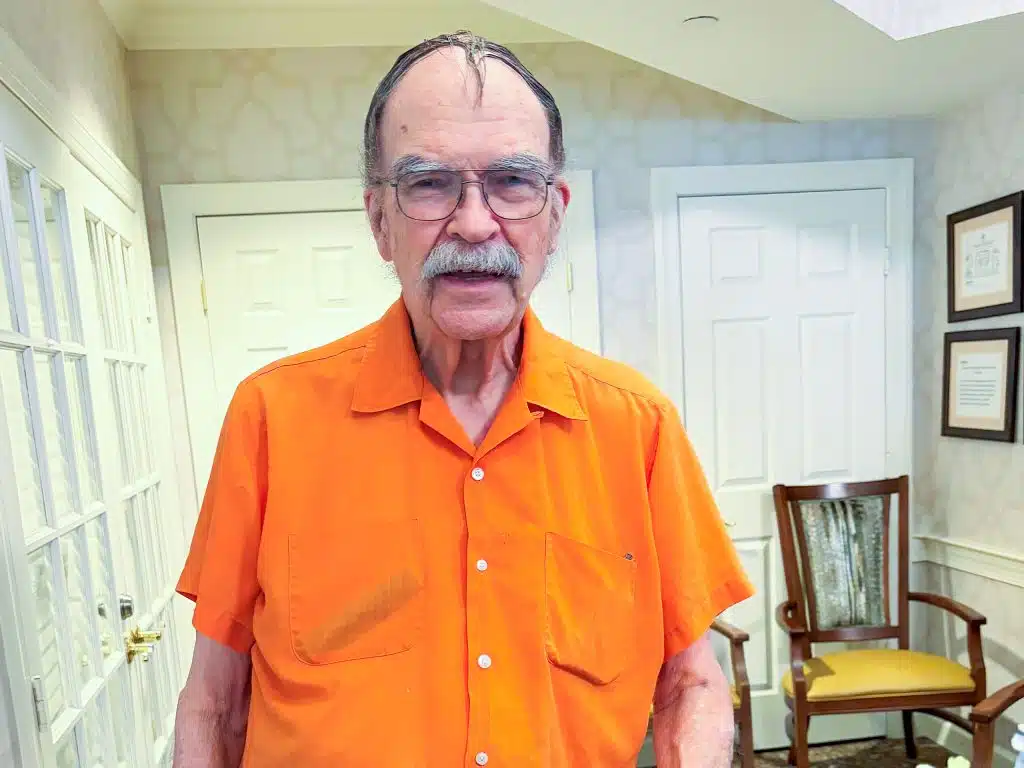
Father Matthew P. Schneider, a priest with the Legionaries of Christ who teaches theology and bioethics at Belmont Abbey College and is autistic, said in his virtual address that Catholics are good at acknowledging the existence of those with disabilities, but that’s just the beginning. He points to the problem of tokenism, “where you have one autistic person and they feel like they are the token disabled person.” A better approach is for parishes to have specific ministries and meeting places for parishioners with disabilities. “Making that Bible study for autistic people” is a simple way of avoiding falling into tokenism.
Bradford warns that Catholics can often fall prey to institutionalism, trusting that church organizations will get the job done. “How many of us are the rich man, stepping over Lazarus with his open sores,” he asked. “It’s easy for us to allow the institution to capture the role of frankly what should be ours. An institution cannot be a friend of a person. An institution cannot love a person. We come to know God through relationships and individuals with disabilities are starving for relationships.”
The goal for Bradford is to go beyond inclusion. “What we’re aiming for is belonging and belonging is much more than inclusion,” he said. “This conference is titled from inclusion to belonging. And this can only happen if those people are present among us.”
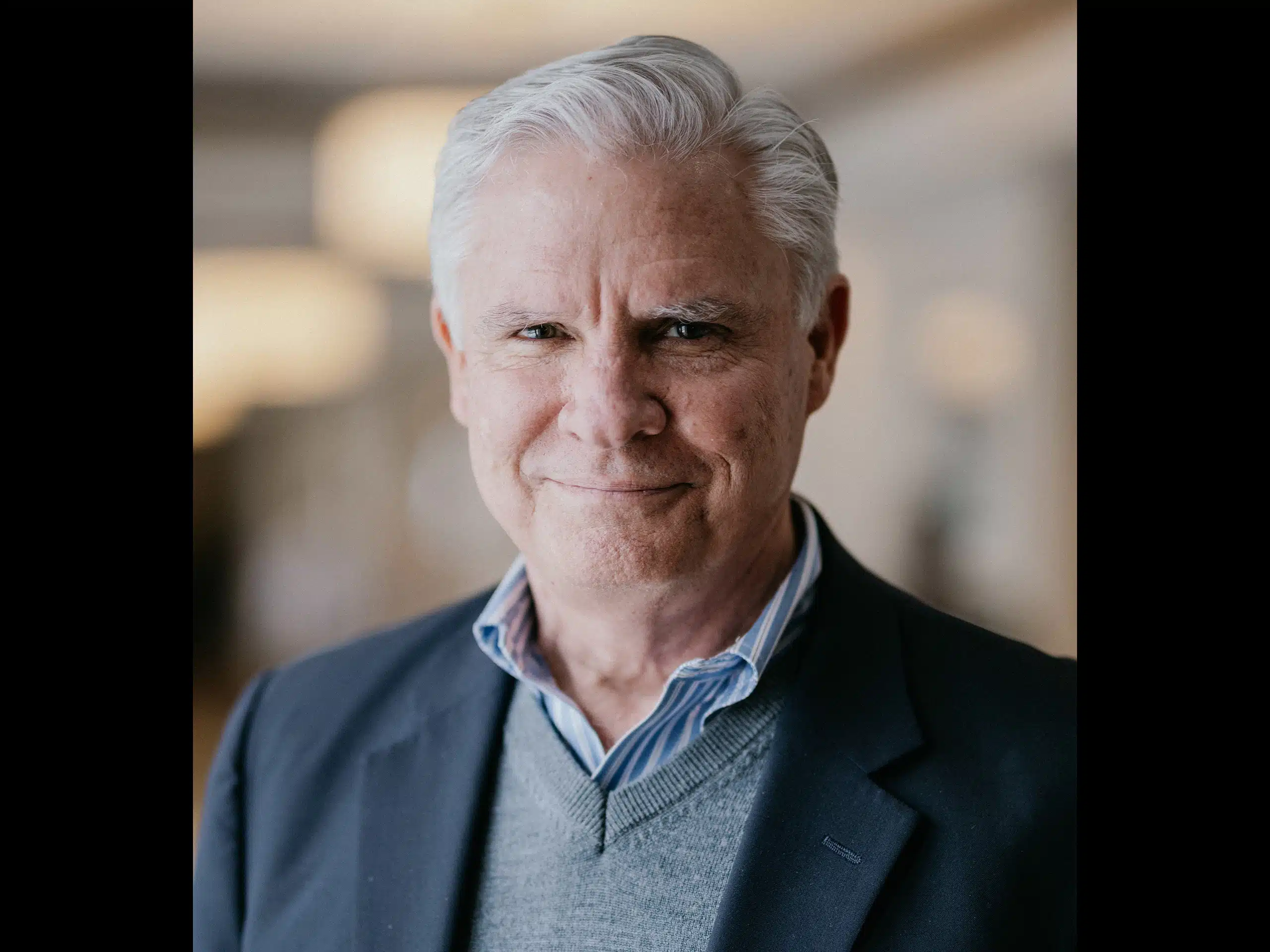
Bishop Michael F. Burbidge, who also serves as episcopal moderator for the National Catholic Partnership on Disability, opened the conference by acknowledging that he has heard “over and over again” the greater need for inclusion. He emphasized that assisting people with disabilities and their families is a priority. “That is very much part of our strategic plan going forward, to ensure that those with disabilities can participate more fully in the life of the church,” he said. “We should ensure that those in our church with disabilities feel both that they are welcomed and treasured and respected, and that they truly belong to our parishes and communities.”
Bradford cited an example of the language of belonging in the way the Virgin Mary spoke to 14-year-old Bernadette Soubirous in 1858 at the grotto in Lourdes, France. “The queen of heaven came to this young girl, living in poverty, who couldn’t learn her catechism, suffering with sickness. Mary stood there and addressed her in a formal way and asked her if she would do her the favor of coming here for 15 days,” said Bradford. “She honored the poor and gave us a beautiful example of how we should honor those with disabilities and all those individuals Jesus has called us to love and to welcome into our communities. Not because we’re doing them a favor by welcoming them in, but they’re doing us a favor. We’re embracing them as Christ asked us to embrace them.”