As we journey together through the sacred season of Lent, we are reminded that each of us will one day be judged justly and mercifully by God. Although we often think of Lent in terms of activities or habits from which we might resolve to refrain until Easter, Lent is about far more than what we choose to do without.
Jesus made it clear that all those who wish to follow him must take up their cross. This makes Lent the perfect time to embrace our sufferings without complaint and to unite them to those of the Lord, while following through with our good and holy resolutions to grow in faithfulness and fervency through time-tested spiritual practices. These practices include intentional quality time in prayer, recourse to the sacraments of the Church and especially confession, fasting from complaining and uncharitable words, and offering the gifts of our time and undivided attention to others. When we rely not on ourselves, but on the Lord’s love and mercy, an abundantly fruitful Lent is possible.
Even with the best intentions our efforts will inevitably be imperfect and due to our fallen condition, we may stumble. Do not allow such moments to become excuses to give up on Lenten growth. Repent and, by God’s grace, resolve to begin anew.
Our Diocesan Days of Unplugging, which take place March 13-15, are one way we can participate in a shared Lenten practice for the purpose of spiritual growth. By making a pledge to unplug (arlingtondiocese.org/unplug) for some period of time during these days — whether for an hour, part of a day, an entire day, or more — you will be joining brothers and sisters across our diocese who will intentionally disconnect from technology and use this time to deepen their relationship with God, strengthen bonds with family and community, and practice the virtues.
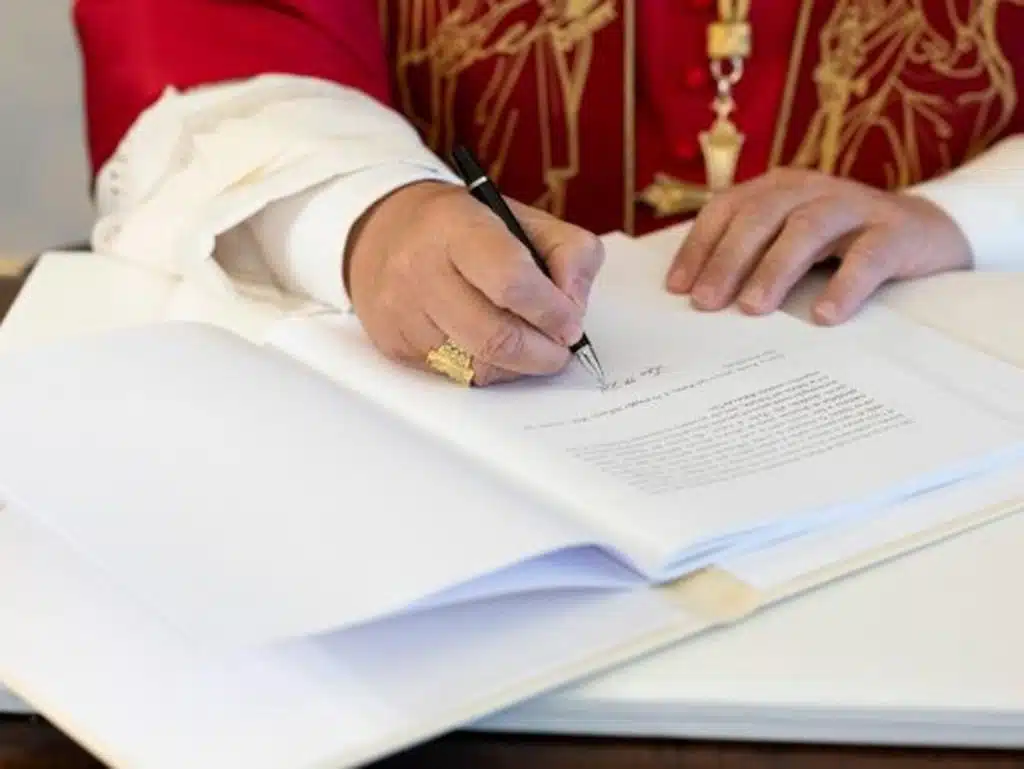
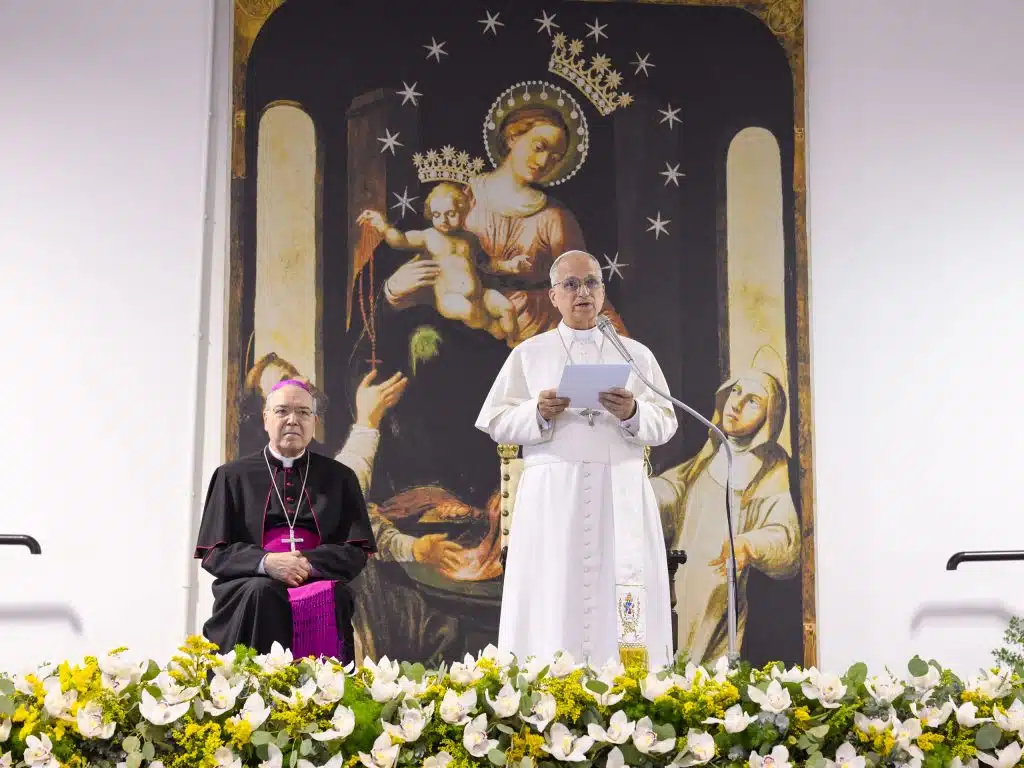
This Lent marks the first of Pope Leo XIV’s pontificate. “Lent is a time in which the Church, guided by a sense of maternal care,” he recently said, “invites us to place the mystery of God back in the center of our lives, in order to find renewal in our faith and keep our hearts from being consumed by the anxieties and distractions of daily life.”
The Holy Father encourages us this Lent to recognize the power our voice can have to build up or tear down our brothers and sisters in Christ and therefore urges us to “disarm” our language and fast from “words that wound.” Rather, Pope Leo encourages us to “strive to measure our words and cultivate kindness and respect in our families, among our friends, at work, on social media, in political debates, in the media and in Christian communities.”
Pope Leo reminds us that, as people of faith, our words should give rise to “hope and peace.” When we disarm our speech as our Holy Father encourages, we practice a distinctive form of fasting from cruelty, gossip, slander and harsh judgment. Such fasting helps us to grow in the virtue of charity and leads us to respect and honor one another as persons made in God’s divine image and likeness.
It is fitting, considering our new Leonine era, that we reflect on the Lenten teachings of the saint from whom our Holy Father takes his name. St. Leo the Great, a doctor of the Church, was a fifth-century pope perhaps most famous for persuading Attila the Hun in 452 A.D. to give up his planned attack on the city of Rome.
The first Pope Leo, through his surviving homilies and writings, still has much to say about how we might make Lent a spiritually fruitful season. In one Lenten homily, St. Leo the Great reflects that “what the Christian should be doing at all times, should be done now with greater care and devotion, so that the Lenten fast enjoined by the apostles, may be fulfilled, not simply by abstinence from food but above all, by the renunciation of sin.” It is only by the goodness of God, and through relationship with him, that we can hope to experience “true peace and true freedom,” which result “when the flesh is ruled by the judgment of the mind, and the mind is directed by the will of God.” He further reminds us that “the discipline of the forty days should heal us and restore the purity of our minds” and that Lent is a season set apart, when “faults of other times might be redeemed by pious acts and removed by chaste fasting.”
This doctor of the Church also encourages us to think of almsgiving as an expression of Christian mercy and in this way, “not only the rich and affluent but also those of average means and the poor, are able to play their part. Those who are unequal in their capacity to give, can be equal, in the love within their hearts.”
Through Lent the Church invites us to conversion and renewal, and ultimately to a deeper participation in God’s divine life. We must take the first step, however, by participation in the sacramental life of the Church throughout this sacred season, and by our prayers to God for newness of life. Together, and by God’s grace, may we make this Lent one of true spiritual fruitfulness, trusting that Our Lord will abundantly bless our desire for greater faithfulness and growth in holiness and virtue in all our days to come.
May Our Lord Jesus bless you throughout the sacred Season of Lent and always.