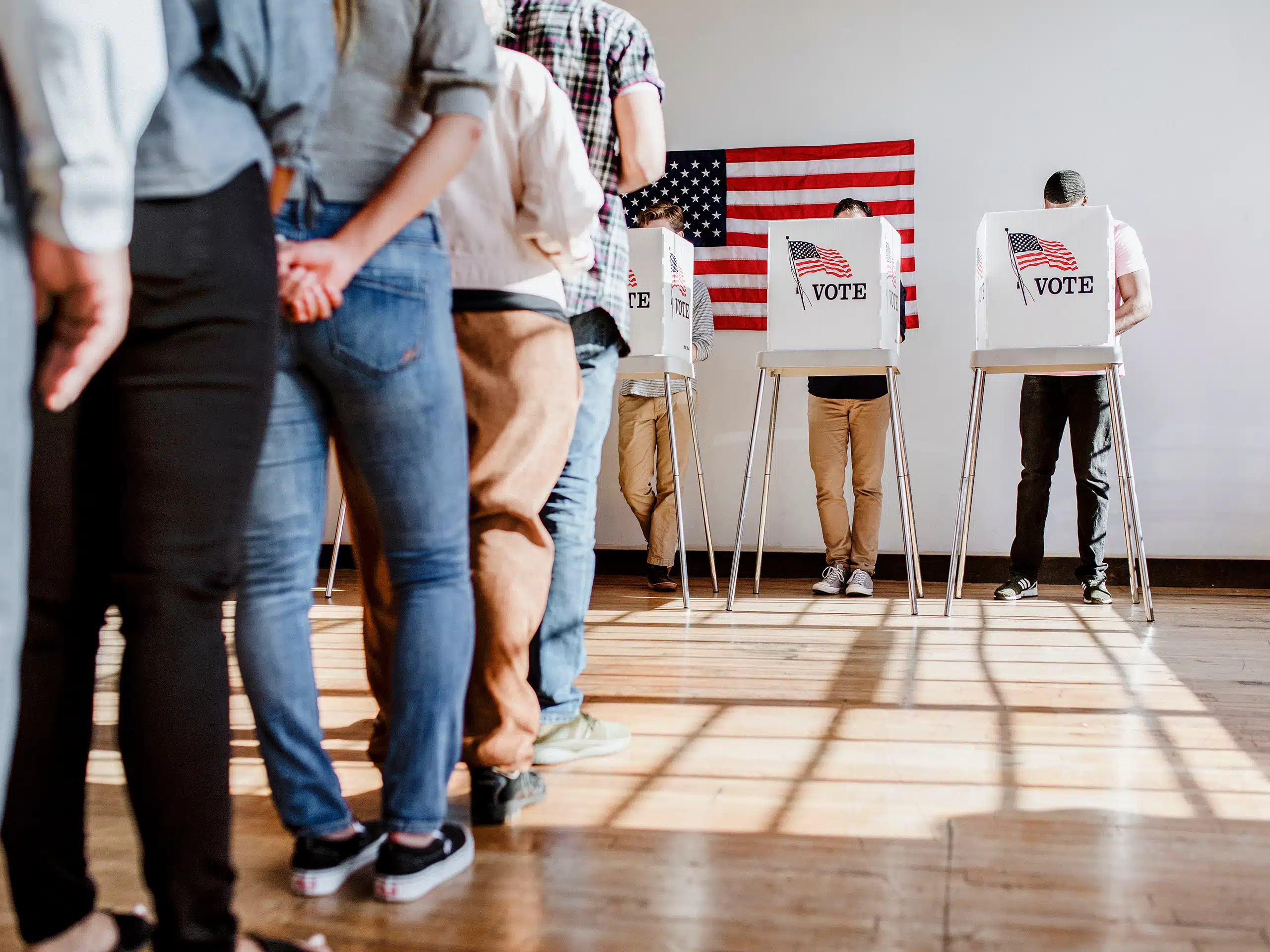
It is two days post-election as I write. The morning after Election Day, I moved about my still-dark kitchen and checked in with myself. If asked to name one emotion at the moment, I would have chosen relief. At last, the constant barrage of sparring was over.
That lasted until I opened my phone. Two days later, I admit I’m sort of stunned by the animosity. And I am leveled by the way that people assume the worst of one another. My goodness. How will we ever recover?
In prayer, what comes to me is that this is the month that Americans collectively focus on gratitude. Maybe gratitude can be a path toward transforming feelings of ill will between people who differ politically, helping to shift the focus from division to connection.
When people consciously count blessings, they focus on what they appreciate rather than the things that cause consternation. If individuals on opposing sides of the political spectrum start by recognizing that most people have positive intentions, it can open a pathway toward understanding. People can acknowledge that, at heart, both sides care about their country, their families and the well-being of others. We can be grateful that people are committed to making the world a better place.
A robust gratitude practice helps people shift from a position of judgment or defensiveness to one of empathy. By recognizing and appreciating the humanity of others — especially those who differ politically — people can begin to view the other side with less contempt. We are reminded that there are different ways to think about an issue. Gratitude for the perspective of others encourages us to step outside our own paradigms and try to understand the experiences, struggles and reasons that have shaped their views.
When we give voice to gratefulness, we nurture a culture of civility and mutual respect. We cultivate a habit of seeing the good. In a heated political discussion, a person rooted in gratitude can approach the other with kindness and consideration. Instead of assuming bad intentions or making assumptions about the other side, they engage in conversations with curiosity and openness, knowing that every person comes to the discussion with their own baggage and their own story. That story is why they think the way they do. It’s up to us to get to know the story.
Political polarization thrives on negativity, anger and mistrust. Gratitude is an effective antidote to these emotions because it engenders a more positive atmosphere. People who practice gratitude come to difficult conversations from an anchored place. They are more likely to engage in constructive, genuinely curious dialogue and to express appreciation for the opportunity to exchange ideas.
Further, gratitude is contagious. When someone expresses their heartfelt gratitude — whether for a person’s time, ideas or effort — it gives people a soft place to land. They are encouraged to meet in the common place of appreciating the opportunity for dialogue. This creates a ripple effect, even in contentious discussions. Acknowledging the good in others — and thanking them for it — is a powerful way to break down the barriers of suspicion and ill will. When confronted with opposition, taking the time to express gratitude to the person who seeks dialogue with genuine curiosity and patience is a powerful, genuine tool for connection. Those are the conversations that will bear fruit, even if no one changes her mind. Be grateful for them; value them.
Political conflicts thrive on an “us versus them” mentality, where each side sees the other as a threat. Gratitude counters this by appreciating that a diverse range of perspectives co-exist, but seemingly disparate people can actually have mutual goals. We can appreciate the idea that we need to hear a variety of voices in order to effectively consider every angle of complicated situations.
Gratitude isn’t a vague, warm, fuzzy feeling that means easy agreement, but it can be a powerful tool in transforming relationships that are defined by political disagreement. By focusing on appreciation, gratitude can break down the walls of division and foster more compassionate and productive dialogues, even between people with differing political views.
In the month of November, our culture is hardwired to consider those things for which we are thankful. This year — perhaps more than ever — let’s intentionally pursue empathy and mutual respect. Let’s challenge ourselves to seek the good in one another and to count the blessing that is the other. Maybe we can do our small part to reduce ill will and create more opportunities for collaboration and problem-solving.
Foss, whose website is takeupandread.org, writes from Connecticut.