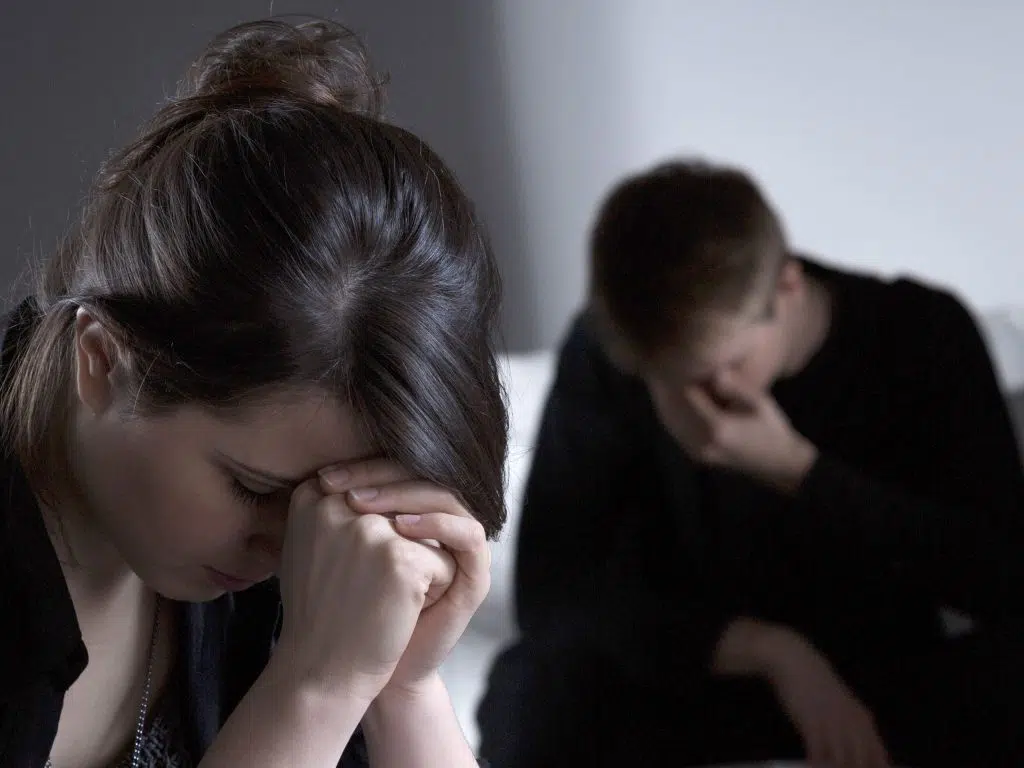
Peter lay awake, listening to the ticking clock.
The rhythm usually lulled him to sleep — tonight, it felt like a countdown to an explosion. The rumors had started — departmental restructuring, layoffs, pay cuts. Now, after that email, the worst-case scenario seemed almost certain. For years, he had built his life around stability — a good job, a mortgage, kids in Catholic school. Now, everything felt like it could collapse.
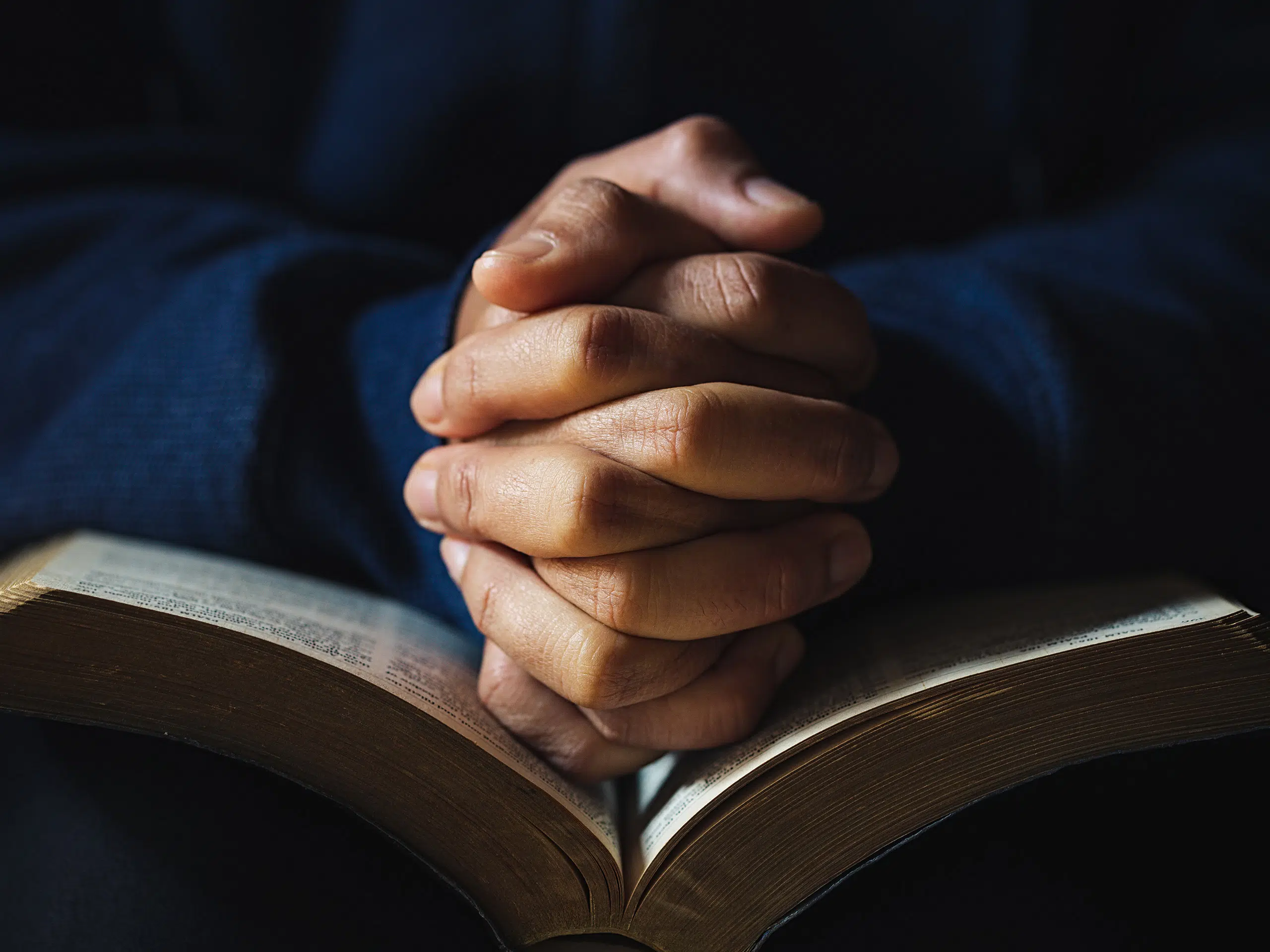
“Oh God,” he prayed desperately, “what am I supposed to do now?”
Sofia gripped the letter tightly, reading the words over and over: Termination of Temporary Protected Status. She knew this could happen, but now it was real. For years, she had worked tirelessly to build a life — not just for herself, but for her younger brother, her aunt, her cousin. She was their anchor, the one who had filled out the paperwork, guided them through the system. And now this. Sofia wanted to be the rock, to have the answers, to know the plan. Instead, she crumpled into the chair, breathless. “Jesús, ¿dónde estás?”
Ellen couldn’t take her eyes off the ultrasound screen. The doctor was saying something, but the words barely registered — high risk, abnormality, more tests. She clutched her belly, desperate to protect the tiny baby she already loved so much. She had never felt so powerless. Beside her, her husband’s hand rested on her shoulder. Through his own tears, he whispered a prayer — for strength, for answers, for a miracle.
We’ve all experienced these moments — when the ground shifts beneath us. As a Catholic counselor, I have heard so many of these stories. Whether it’s the risk of job loss, deportation, the death of a loved one, an unexpected diagnosis or broader changes in our world, uncertainty can come suddenly.
And when it does, a familiar question arises: What am I supposed to do now?
Times of crisis fill our minds with fear. Our brains shift into emergency mode — fight, flight or freeze — trying to survive. “Fighting” can take the form of angry outbursts toward the people who are closest to us. “Flight” can look like escaping into addiction or avoiding the situation. “Freezing” sometimes appears as numbing with screens or binging on a new TV series. While this emergency mode instinct is essential in truly life-threatening situations, it can limit our ability to think clearly, problem solve and stay grounded. As a counselor, I often share strategies to help reorient ourselves during uncertainty.
Consider what is in your control
When uncertainty strikes, we often feel powerless, forgetting that we still have control over many things in our lives. It’s helpful to list what you can and cannot control. For example: I can control how I treat my children, whether I go for a walk or whether I apply for new jobs. I can’t control if I lose my job or if my department restructures.
This idea is solidly rooted in psychological research, and also echoes the Serenity Prayer, often attributed to Reinhold Niebuhr:
“God, grant me the serenity to accept the things I cannot change, the courage to change the things I can, and the wisdom to know the difference.”
Return to the present moment
Our brains often fixate on an uncertain future, spiraling into anxiety. A simple way to break this cycle is to focus on the present moment. Try grounding techniques, such as focusing on your breath, feeling its rhythm and thanking God for each breath. Physical activities, such as stretching or holding an ice cube, can also help you reconnect to the here and now. In these moments, remember: God is with us in the present, the Great I AM.
Remember your story
Another way to reduce anxiety is by zooming out to reflect on your life’s larger story. Recall past struggles and how God worked in your life — how he provided, healed, and brought good from hardship. This can shift your perspective, helping you move from “I need certainty” to “I can trust God to show me the next step.” This reframing keeps us rooted in faith and hope.
Faith in uncertain times
Uncertainty is never easy. It can shake our foundations and make us question everything. But as Catholic Christians, we are not called to control every outcome — we are called to trust. The ground beneath us may shift, but we stand on a firmer foundation: God’s faithfulness.
No matter what uncertainty you face today, you are not alone. You are held by a God who sees you, loves you and walks with you — even when the ground beneath you shifts.
Pruitt, a parishioner of St. Theresa Church in Ashburn, is a licensed professional counselor and founder of Sacred Heart Counseling, a Catholic counseling and telehealth center in Loudoun County. Learn more at SacredHeartVA.com.