

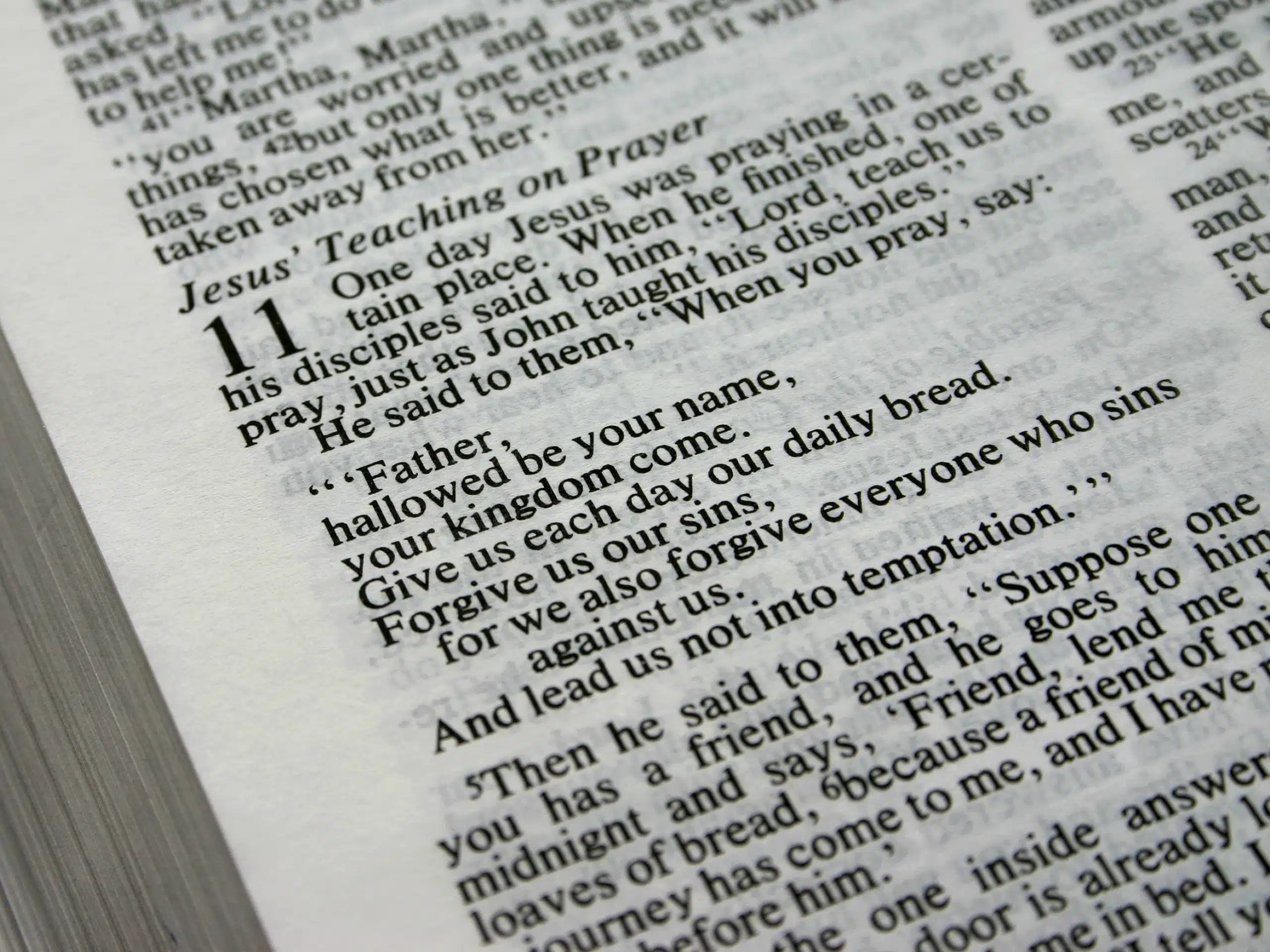
It is often said that when you are exposed to something over time, you grow accustomed to it. If you live in cold weather long enough, it does not impact you as much as it would someone from a warmer climate. When construction takes place near your home or workplace, the noise fades into the background and becomes a part of life. This phenomenon commonly affects us in mundane ways, but some “exposures” can impact the deeper parts of our lives — for good or bad.
One such example can be found in the cultural acceptance of profane language and using the Lord’s name in vain. Curse words can be heard casually thrown around in the grocery store. The Lord’s name is misused and abused in otherwise “family friendly” television and streaming. Though it can be jarring to hear at first, over time we can become desensitized to this vulgarity, and it can even seep into our own habits. This is a particularly potent struggle for parents who, as guardians of their children, attempt to shepherd their young ones toward interactions and media that honor God’s name and avoid inappropriate language.
With Jan. 3 being the Feast of the Holy Name of Jesus and January as a whole being dedicated to the Holy Name of Jesus, may we reflect on some of the Scriptural roots for how we should speak and why it is so important to turn away from any inappropriate language, especially that which misuses Our Lord’s name.
From the earliest books of the Bible, we see that the manner of our speech is important to God. In Exodus 20:7 it is written, “You shall not invoke the name of the Lord, your God, in vain.” In Leviticus 19:12 it reads, “You shall not swear falsely by my name, thus profaning the name of your God.” As is the case in much of the Old Testament, the instruction is written clearly. God’s name is one to be used with honor and respect, not in anger or irreverence.
This teaching bears a unique significance to any person of faith. If we are known to believe in God, love him and cherish the grace he pours out to us, how can we reconcile that with a habit of casually disgracing his name or using inappropriate language? So much of our good witness can be lost in the sting of a crass word. Our message as Christians is too important to let a loose tongue become a distraction to God’s work.
As instruments of Christ in the world, we must move beyond the surface level. The disposition of our hearts must match the quality of our words. One of the most revealing lines from Scripture in this regard comes from Matthew 12:34: “For from the fullness of the heart the mouth speaks.” In this verse, we see a call to true conversion, moving from doing the right things and obeying God’s commands to live the “letter of the law,” to embodying a heart and soul that is genuinely close to God. We do not want to simply do what God asks for because of appearances or obligation. We want to go further and allow the Lord so deep within our hearts that we desire to do the right thing out of an unselfish love for him.
Many struggle with keeping Our Lord’s name holy and avoiding unacceptable speech. With habits that are deeply engrained, it is important to incorporate daily routines to break them. One good way to combat vulgarity is by making the Sign of the Cross when you are tempted to use inappropriate speech, or if you hear bad language during your day. If you use the Lord’s name in vain, follow up by saying “blessed be God’s holy name.” Honoring and glorifying God when we slip up in our speech can console his Sacred Heart and bring healing to our own.
As God’s beloved sons and daughters, may we be known for our deep and abiding faith in God, as well as for proclaiming only holy words, reflective of the good work Our Lord has done within us.


Corpus Christi