

“Behold your mother.” This was Our Lord’s final request before his death. Standing by the cross and looking to Mary, the beloved disciple was the first to receive this key to the spiritual life that Christians have employed down through the centuries: Be imitators of Christ by loving his mother.
These words are perhaps the best explanation for the miraculous apparition of Mary, the Ever Virgin of Guadalupe, that inspired 9 million conversions in 10 years after her appearance. This is even more striking when compared to the sparse numbers after the arrival of the first missionaries seven years before.
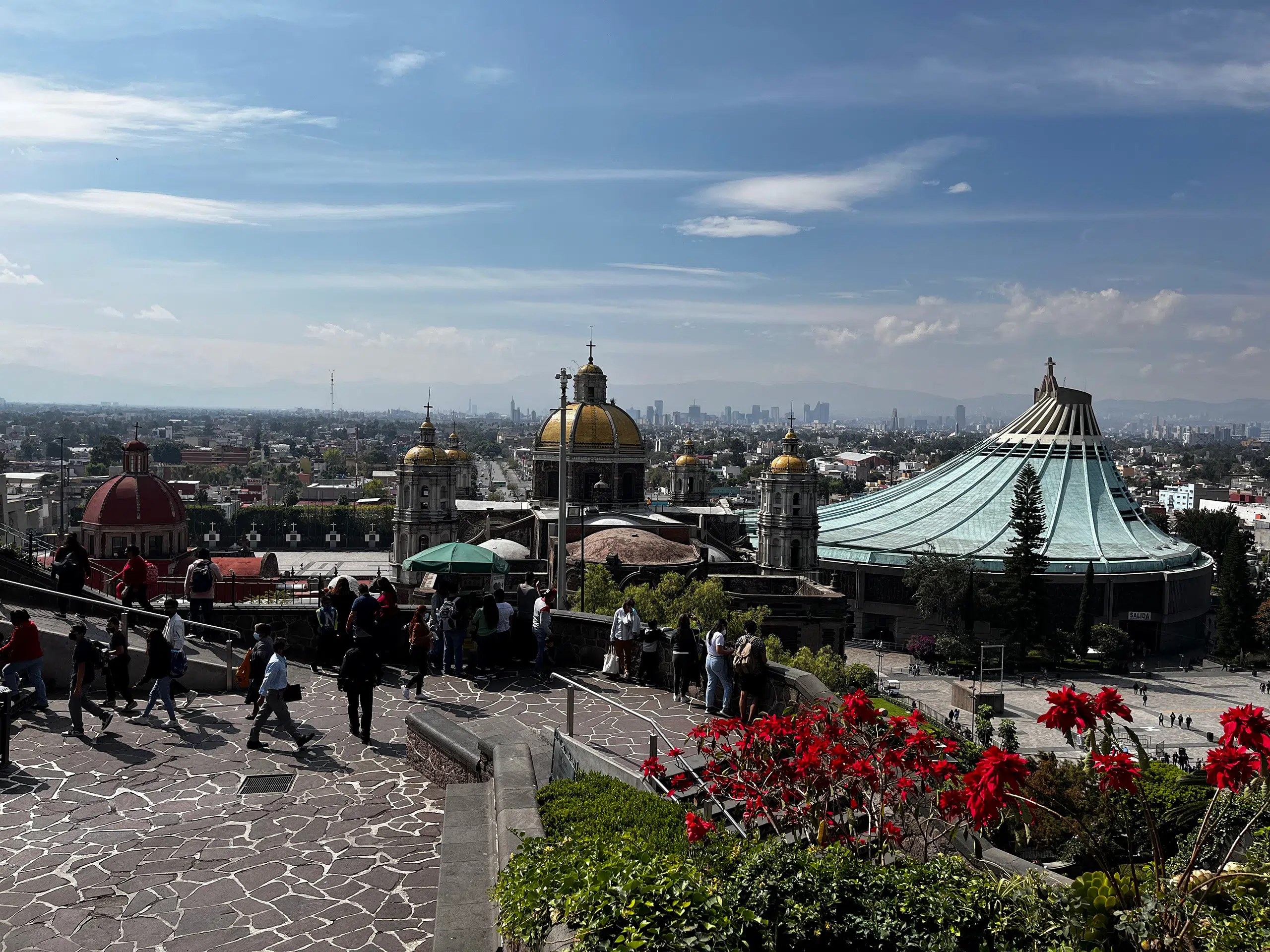
The Basilica of Our Lady of Guadalupe is today one of the most visited Christian shrines in the world. In 2019, nearly 10 million people visited on the feast day alone. Even as Mexico undergoes its “fifth wave” of COVID-19, and federal and CDC guidance affects tourism there, pilgrimage to the shrine continues. Nearly 2 million came last Dec. 12.
During my visit to this holy sanctuary, which in God’s providence fell during this current wave, I was amazed to see pilgrims lining up in the Basilica Plaza to attend Mass, on the hour, every hour, from 6 a.m. to 7 p.m. The sung Mass at 9 a.m. on the feast of the Presentation filled the huge church with a couple thousand faithful bringing their images of the child Jesus to be blessed.
“Behold your mother.” Our Lady picked an unlikely candidate when she appeared in December of 1531. It was not to anyone of Spanish or Aztec nobility, nor a member of the church hierarchy, but rather to 57-year-old recent convert and widower, Juan Diego. In the “Nican Mopuah”— the Nahuatl account of the apparitions that was probably recorded during his own lifetime — Juan Diego protests: “I beg you, my Lady, Queen, my little girl, to have one of the nobles who are held in esteem, one who is known, respected, honored, have him carry your venerable breath, your venerable word, so that he will be believed.” But the “Perfect Virgin, Holy Mary of Guadalupe” was insistent that he bring “her breath, her word” to the bishop; that a temple be built on that very spot where she would “listen to their weeping, their sadness, to remedy, to cleanse and nurse all their different troubles, their miseries, their suffering.”
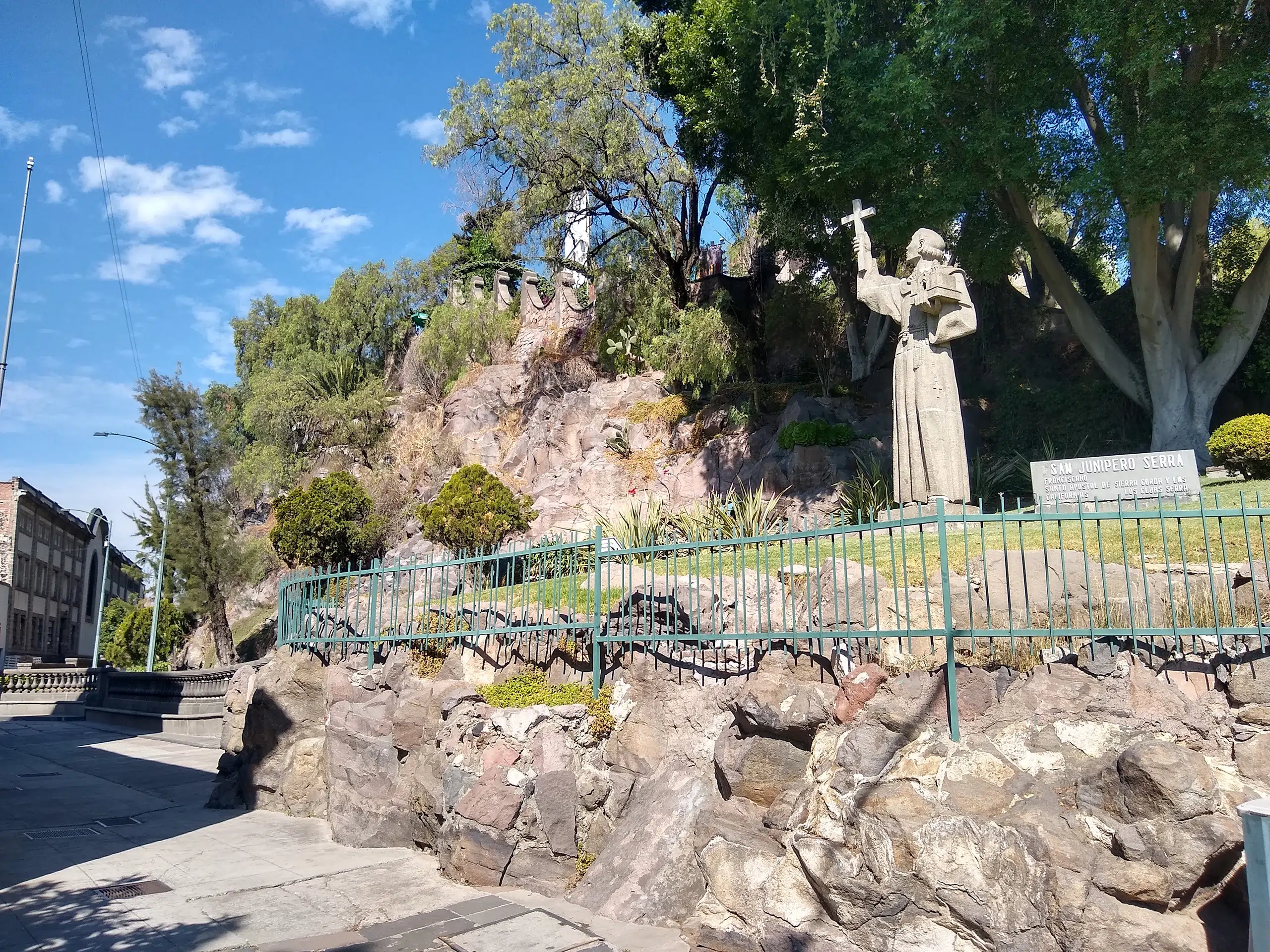
You know the rest of the story. Bishop Zummàraga requests a sign, and Mary consents to give it the next day. Juan Diego delays a day as he ministers to his ailing uncle Juan Bernardino, and, on his mission to call a priest to administer last rites, even tries to avoid the “Queen of heaven” by taking an alternate route around Tepeyac hill. She intercepts him, promises to heal his uncle, which she does through a fifth appearance to Juan Bernardino, and sends Juan Diego up the hill to gather a crop of Castilian roses miraculously growing there in cool dry December. When he goes before the bishop and lets fall his apron, or “tilma,” filled with roses, Bishop Zummáraga falls to his knees before the image that appeared there “in the form and figure in which it is now, where it is preserved in her beloved little house, in her sacred little house at Tepeyac, which is called Guadalupe.”
Juan Diego spent the rest of his life in the little church that the bishop dedicated just two weeks after that encounter, Dec. 26, 1531. Over and over, St. Juan Diego would recount the story of “how a short time ago the perfect virgin Holy Mary Mother of God, our Queen, miraculously appeared out at Tepeyac” to all who would come to visit and marvel at God’s providential design.
At Juan Diego’s canonization Mass, Pope John Paul II proposed him as a model for the laity, “so that feeling the call to holiness, they may imbue every area of social life with the spirit of the Gospel.” St. John Paul II visited Mexico four times during his pontificate — more than any other country besides his native Poland. His visit to the basilica in 1979 was his first international trip as pope.
Jesus wants us to behold his mother. God’s providence has given our continent a marvelous working of the Spirit in this apparition whose relevance and power still continues today.
Pope Francis recently prayed that Juan Diego would, “move us toward conversion and the renewal of the church and of society, which we need so much in the Americas.” At a time when, in the United States and in Virginia, there is debate about reference points for our history, be it 1492, 1776, 1619 (the arrival of the first African slaves in Virginia), 1607 (the founding of Jamestown), or even 1571 (the martyrdom of the first missionaries in Virginia), we are without hope unless we see things in light of 1531.
The Mother of God, eloquently and gently, taught the first Aztecs, with their cult of human sacrifice, how to offer the true sacrifice God desires through the one offering of his Son; she taught the Spanish missionaries to behold her in the native clothing of those they had come to evangelize; her election of Juan Diego showed how God “lifts up the lowly;” with her mestiza or mixed-race face and appearance, she taught Mexicans to begin anew as a “third race,” as children of God. For all on this continent who have hearts to be moved, her lesson is still unfolding.
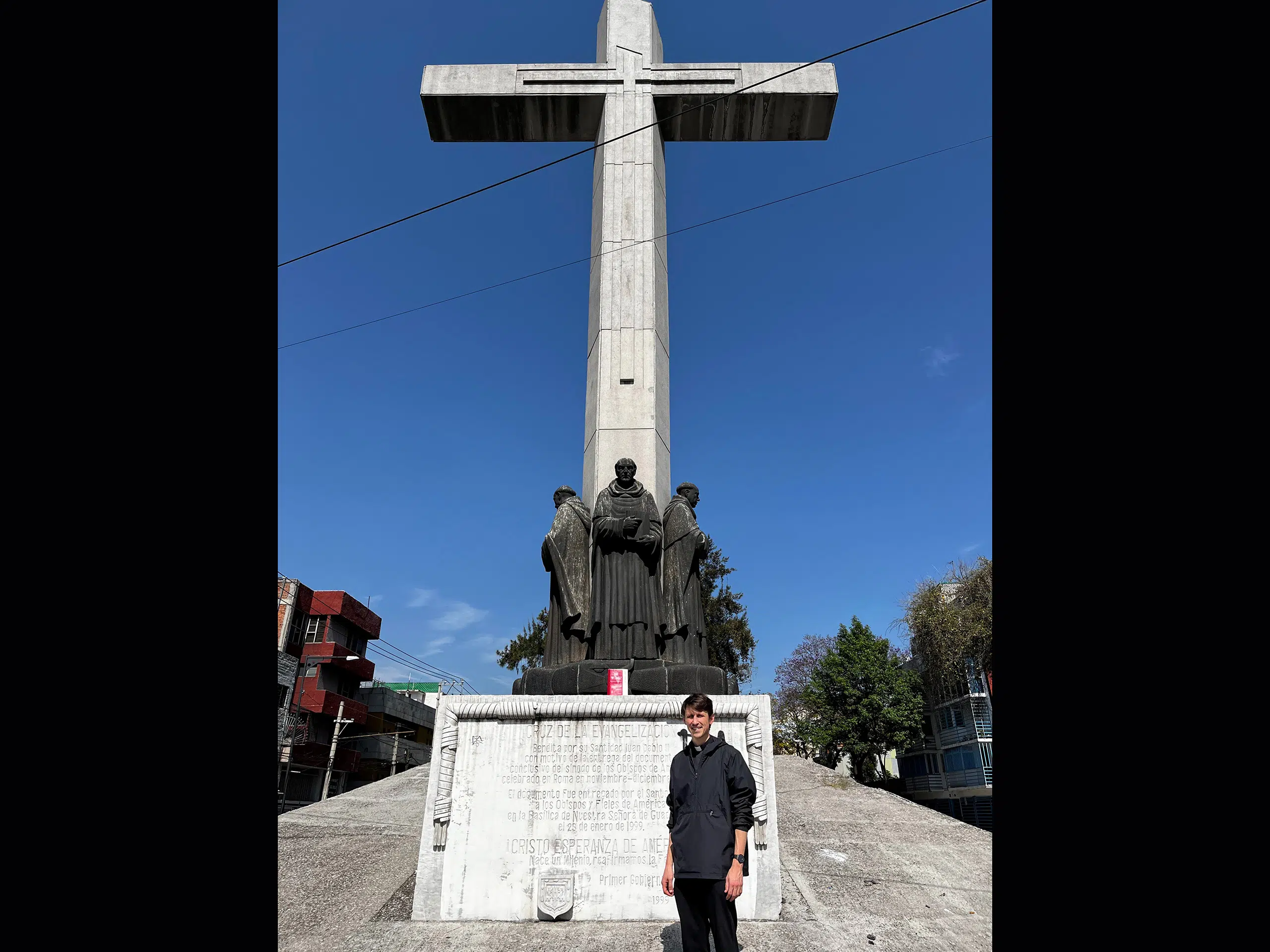
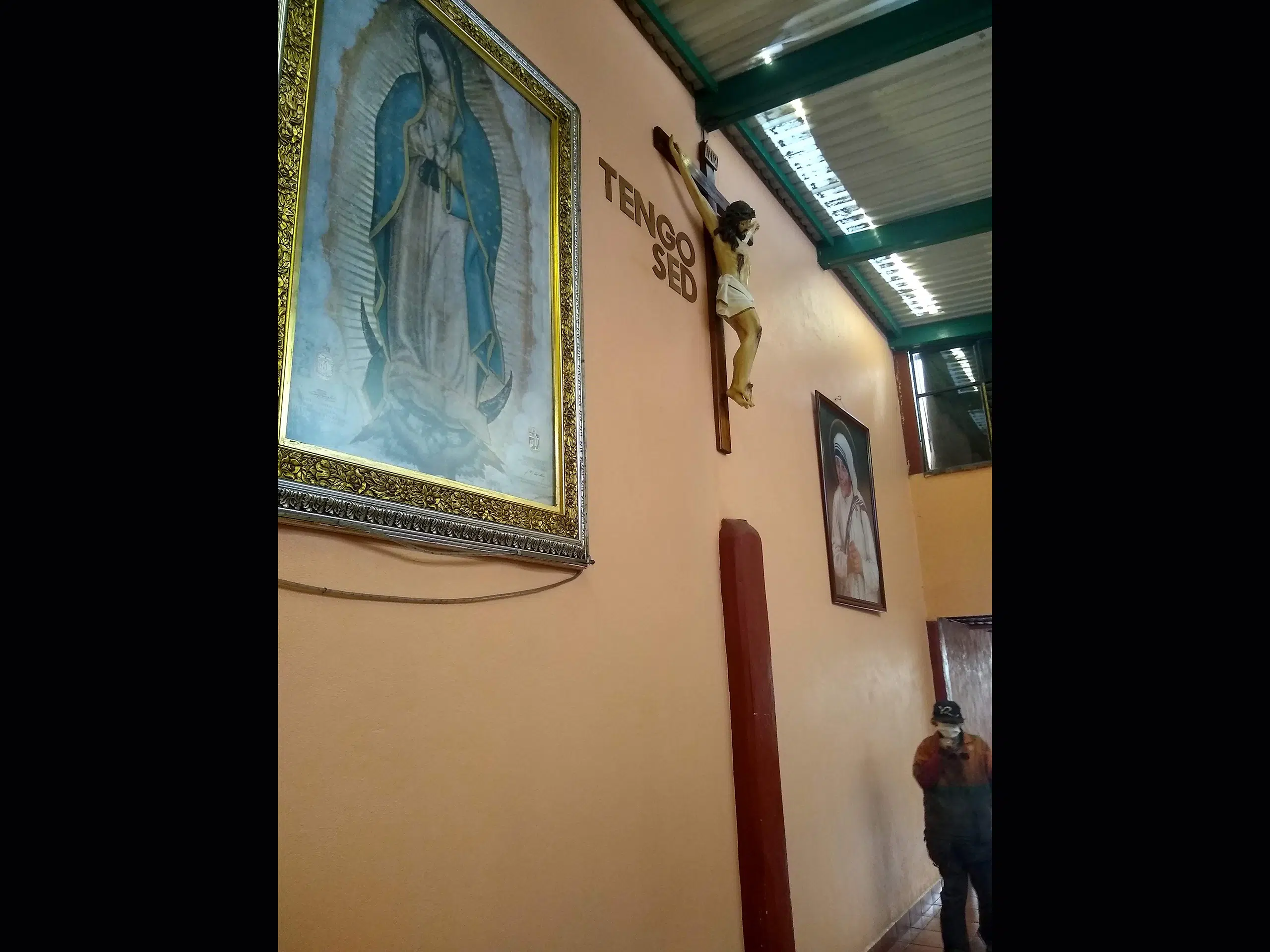
During my days at the shrine, I experienced Mary’s maternal care in many ways: from spontaneous requests for blessings and prayers, to celebrating Mass beneath her image, to the cheerful and zealous witness of the Missionary of Charity Fathers who hosted me, and even to my final ride to the airport with my new statue of Mary strapped to the roof of our little taxi. “Hacemos soluciones Padre, no problemas,” I was told. I don’t think I’ve even been “under Mary’s mantle” so literally. Just one more sign of her love during a blessed pilgrimage.
Fr. Nyce is parochial vicar at St. Philip Church in Falls Church.


Why Jesus uses parables