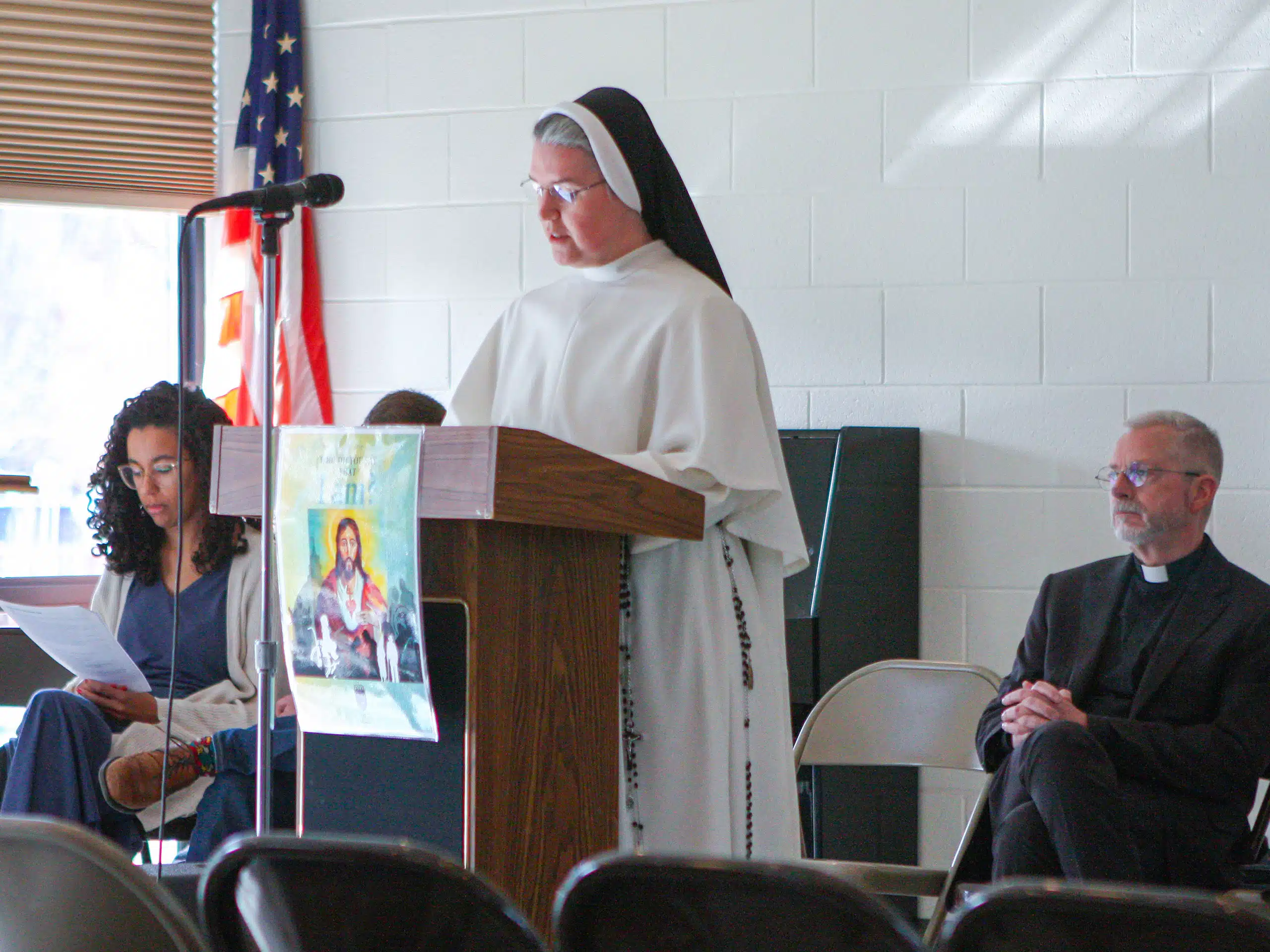
Two years after the Arlington diocese held synodal listening sessions across the diocese, another round of sessions, called “Ecclesial Assemblies,” began.
The new sessions are a continuation of Pope Francis’ call to examine “synodality.” According to Father Donald J. Planty Jr., pastor of St. Charles Borromeo Church in Arlington and diocesan synodal coordinator, synodality is “how everyone in the church bears co-responsibility for the mission through conversation, discernment and pastoral action.”
The Synod on Synodality began in 2021 with the gathering of the first Ordinary Session of the Synod of Bishops in Rome. A global series of diocesan, national and continental listening sessions followed, in which members of the faithful shared their experiences of life in the church with their bishops. A second session of the Synod of Bishops was held in the fall of 2024.
Following Pope Francis’ lead, Pope Leo XIV confirmed a global “Implementation Phase” to take place over the next few years. The two-year phase requires dioceses and churches to reflect upon their synodal practices. A universal “Ecclesial Assembly” in Rome will conclude the synodal process in 2028.
“The assemblies will be similar to the listening sessions we had before and, like before, their conclusions will be summarized then shared and synthesized at the national and continental levels, then discussed at a global Ecclesial Assembly in Rome in 2028,” said Father Planty.
Assemblies will be held at five parishes this year March-September, organized by deanery, or group of neighboring parishes. Each pastor is asked to send 10 parish representatives to their respective assembly, including clergy, religious and lay parishioners. More than 1,200 parishioners are estimated to attend the sessions.
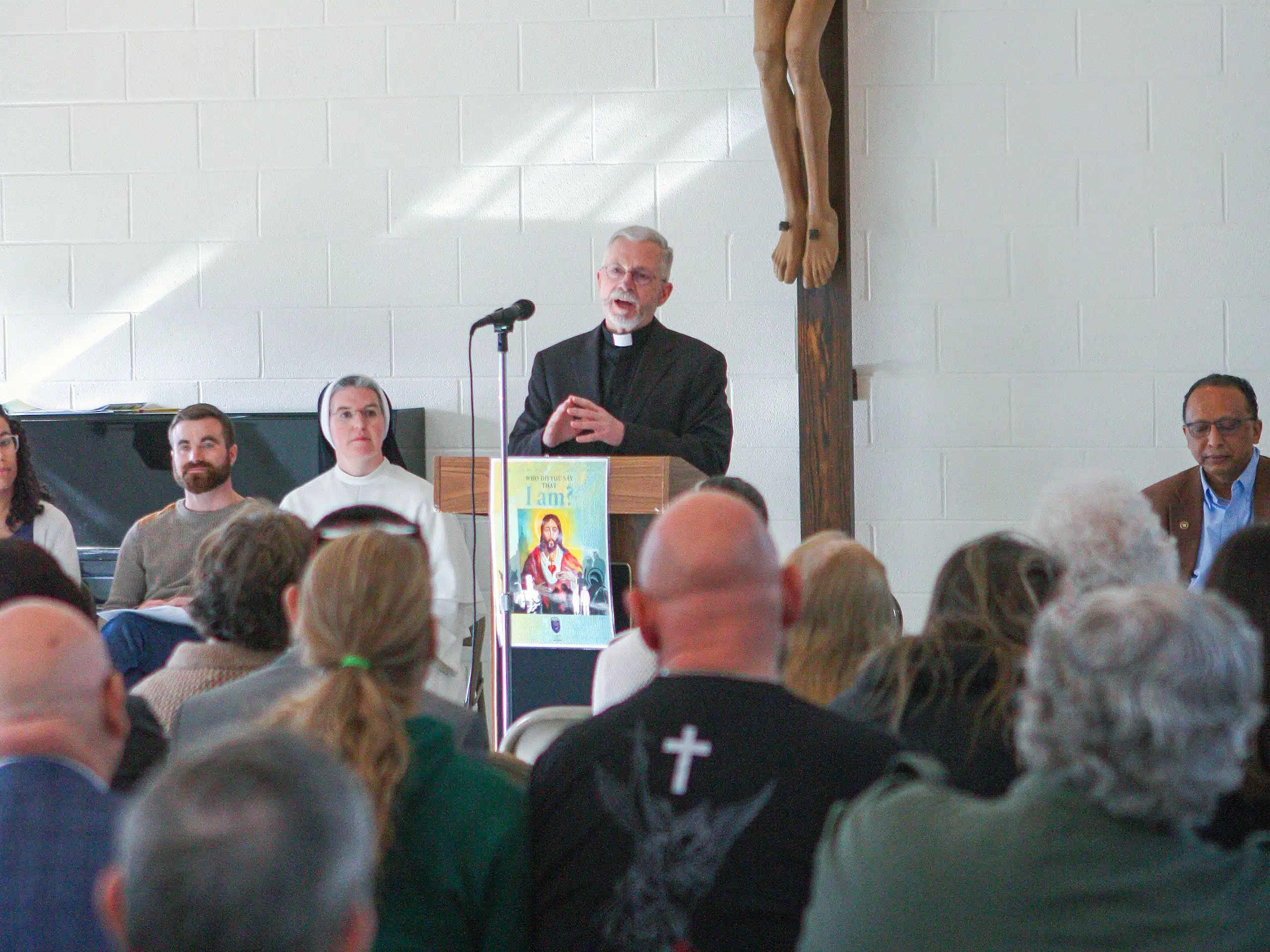
One of the first sessions took place at St. Mary of the Immaculate Conception Church in Fredericksburg March 14, with more than 100 participants in attendance. At the assembly, participants reviewed synodal practices already enacted in the diocese, reflected on a passage of Scripture, and discussed questions such as “What concrete examples do I have of the successful practice of synodality in the church?” and “In what ways do I think our diocese and my parish are not effectively practicing synodality?”
The diocese already practices synodality in many ways through the day-to-day life of the church, Father Planty said. “From our bishop’s diocesan pastoral and finance councils and other consultative bodies, to our deans’ regular meeting with pastors and parishes, to parish finance and pastoral councils, we have over 20 institutions at the diocesan, deanery, and parish levels that regularly practice synodality in support of the mission,” he said.
Father John P. Mosimann, pastor of St. Mary, helped lead the March 14 assembly. “It is good for the people of God to be able to express their hopes, dreams and how Jesus is working in their lives,” he said. “And it is good for the shepherd to know the sheep they serve.”