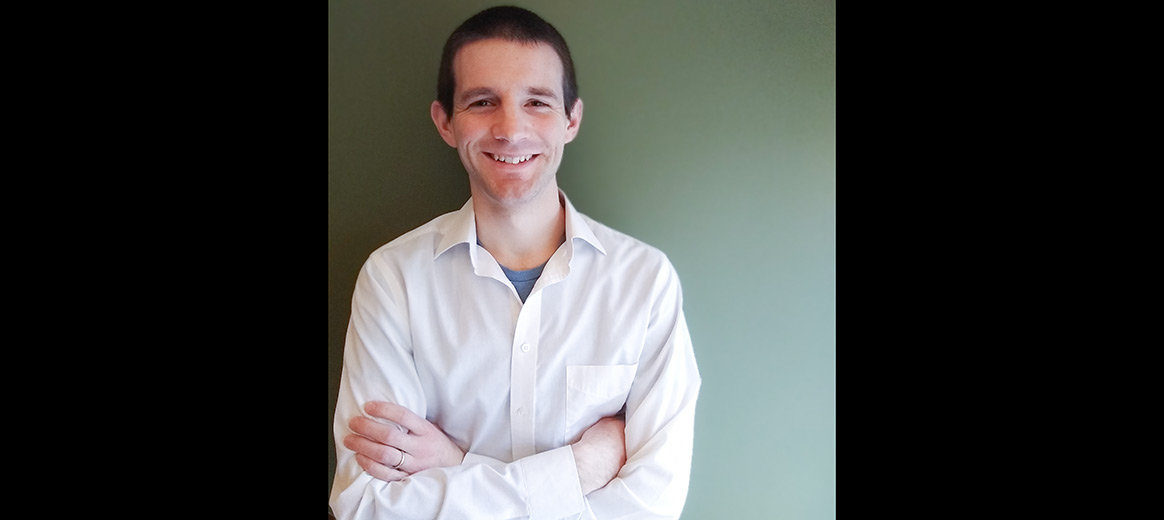
When Calvin Smith was hired as director of faith formation at St. Bridget of Ireland Church in Berryville last year, one of the first things he did was survey parishioners about the kinds of adult education classes they would like to see offered at the parish.
In consultation with the pastor, Fr. Paul Grankauskas, Smith came up with a list of possible topics, many tried-and-true staples of adult formation programs, such as in-depth Bible studies, apologetics, book groups and classes on practical spirituality.
But the most popular offering on the list was something new: a 12-week series on how to talk about your faith with neighbors, co-workers or friends who are, as Smith puts it, “sincere members of another religion, or have abandoned religion altogether.”
In the first session Feb. 2, “many people expressed that they just felt ignorant about other religions and that their ignorance makes them afraid to have conversations with people about faith,” said Smith, a former Protestant minister in the Free Methodist denomination who came into the Catholic Church last year, after moving to the area from Rochester, N.Y.
In addition to surveying some of the key beliefs and practices of world religions including Hinduism, Islam and Buddhism, the class covers “how we can avoid the opposite errors of relativism (‘it doesn’t matter what you believe’) and antagonism (‘they’ are the enemy),” when talking with non-Catholics, he said.
Smith said he was not surprised parishioners were interested in the class. “I think it’s just the recognition that it is a very multicultural world,” he said. “Even if you live out in the country, if you have the internet or TV, you hear about other faiths. People have very multicultural workplaces and friend groups in the Washington area.”
Often, the best way to open a dialogue is “to ask questions and admit lack of knowledge” about other religions, he said. “If your questions are not interrogations, people are generally very willing to open up, and questioning becomes reciprocal.”
Expressing genuine interest in the beliefs of others is a way of following the biblical command to love your neighbor as yourself, he added. “You can’t love your neighbors unless you know who they are, and religion is a part of who they are. It doesn’t mean you’re accepting everything you hear. But it helps us open our eyes to the true God and church we have.”
He hopes the class will give parishioners a better understanding of their own Catholic beliefs and how to articulate them “so we can find out where our actual differences lie,” he said.
But the goal of dialogue isn’t to argue or to prove others wrong, he added.
“Ultimately, the best argument for Christianity we can give is to live holy lives, where the light of Christ shines through us. In that sense, we’re representing Christ to them in our own lives, and it’s Christ himself who will convert them, not us.”