Growing up, Matthew Dunne wasn’t an avid reader of the Bible, but
he still learned classic Bible stories through the popular culture. As he
interacts with today’s children as a catechist at Good Shepherd Church in
Alexandria, he fears students don’t have the same advantages as his generation.
“Many don’t know the story of Noah and the Ark, or Moses. Today’s
kids aren’t learning those stories,” he said. So he and his fellow catechists
try to bring the Bible to life. “We’re really trying to introduce the kids to
reading the Bible, because if it stays a foreign document to them, then it’s intimidating
or they don’t see the relevance,” said Dunne. “What I enjoy is trying to
connect them with the Bible, making them feel just as comfortable opening any
other book in their home or turning on their smartphone.”
At the annual Diocesan Catechetical Conference, Dunne attended
the session “Persons, Places and Things: Simplifying the Complexities in the Old
Testament” so he could bring the knowledge he gained back to Good Shepherd.
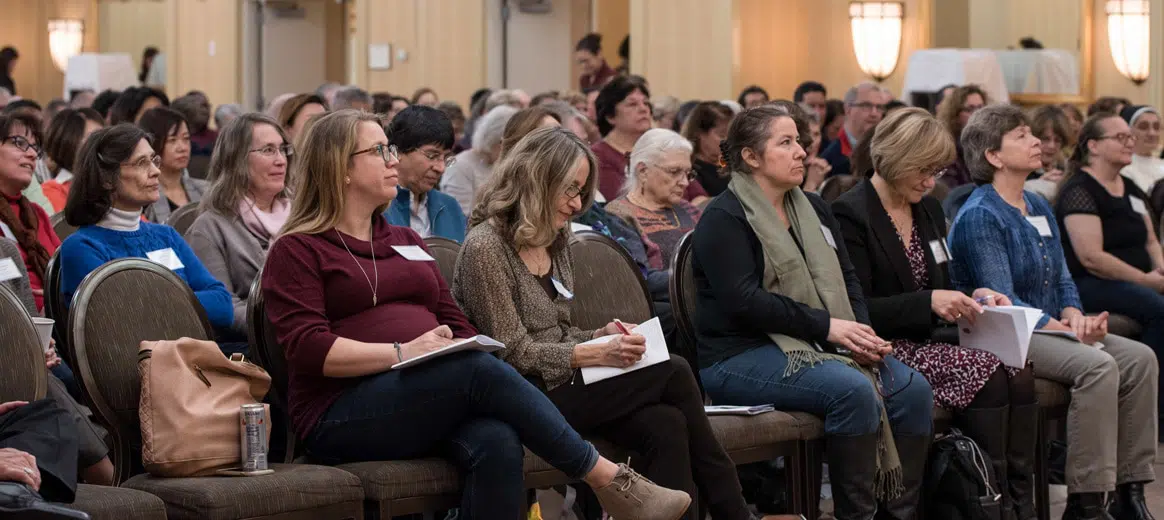
Hundreds of other catechists and directors of religious education gathered at
the Reston Sheraton Nov. 17 to spend time together and learn more about the
faith during the keynote speech and breakout sessions.
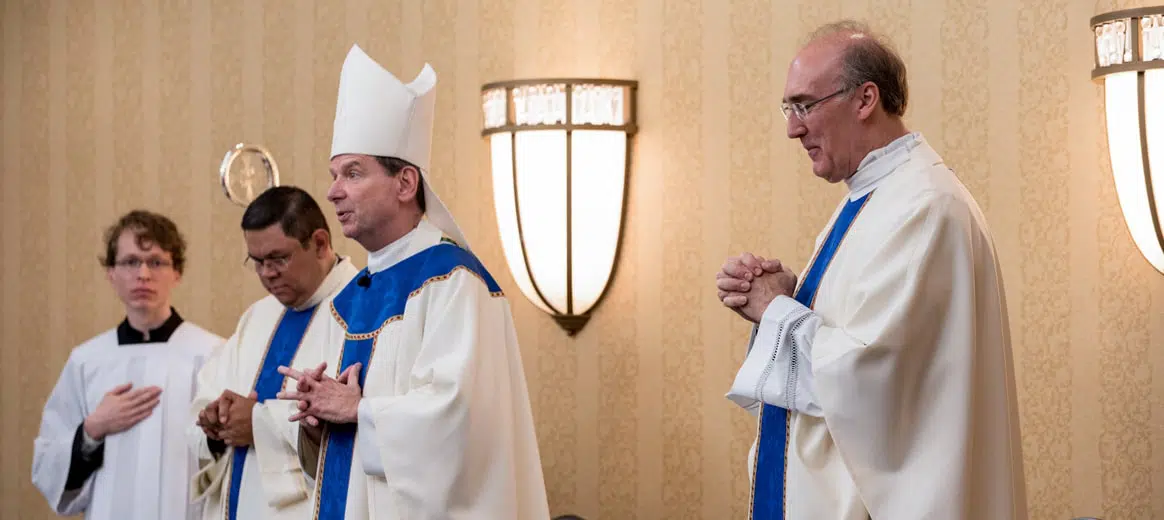
During his homily at the morning Mass, Bishop Michael F. Burbidge
preached on the conference theme: “Enlisting Witnesses for Jesus Christ.” He
was joined by Father William P. Saunders, pastor of Our Lady of Hope Church in
Potomac Falls and episcopal vicar for faith formation. Bishop Burbidge asked
all the catechists to seek the Eucharist.
“Here we find the strength to go forward in his Holy Name and in
service of his Gospel,” he said. “Renewed with this precious gift, pray for the
grace to be enlightened by the Lord and one another; to encourage each other
and build up the Body of Christ; to teach by example and to entrust yourself,
your ministry, and all those you serve to God’s love and mercy so that we may
be better equipped to enlist witnesses for Jesus Christ, the One who promises
to be with us now and forever.”
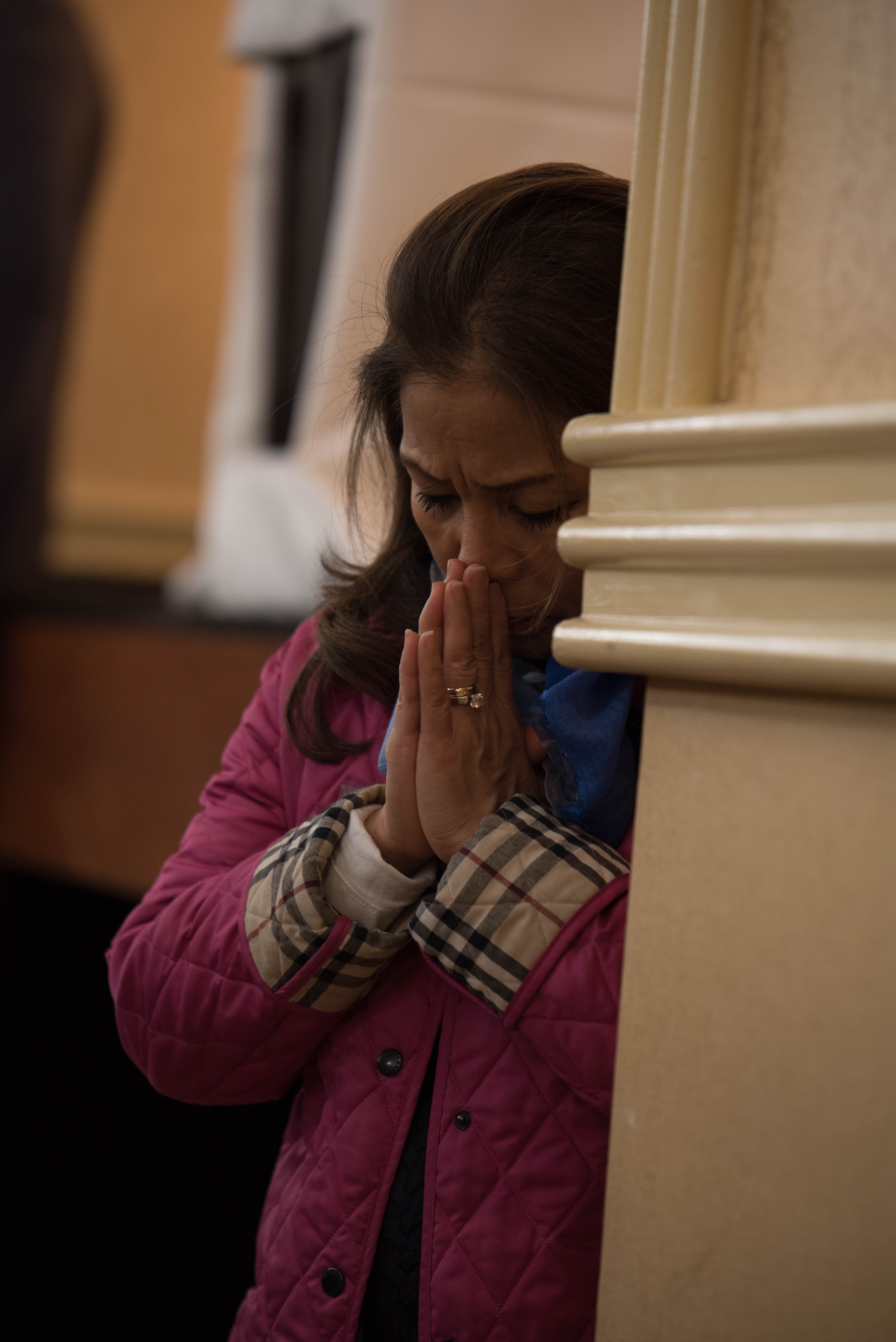
A woman prayer during morning Mass. Zoey Maraist | Catholic Herald
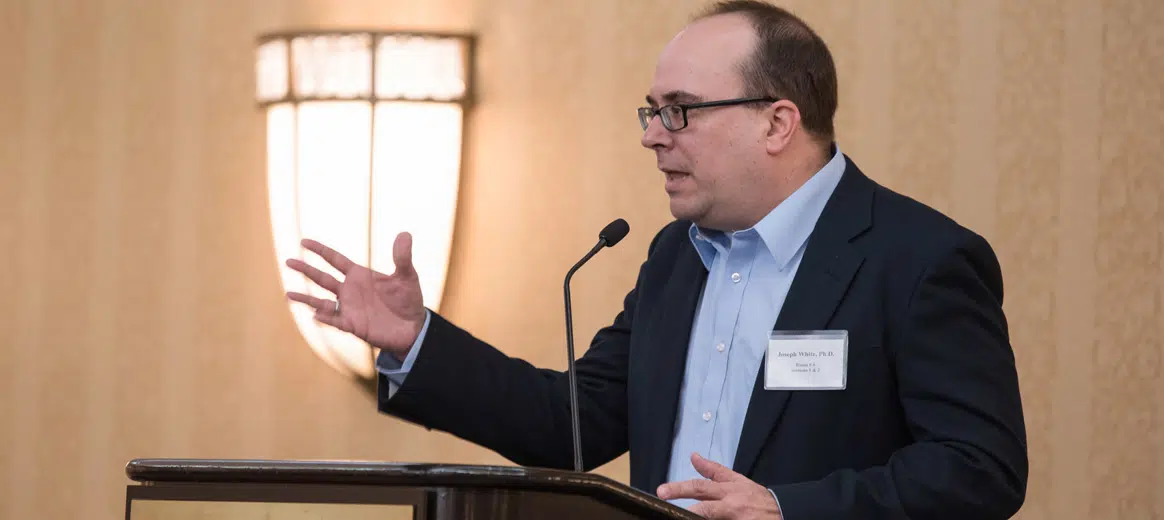
Keynote speaker Joseph White, a clinical psychologist and a
national catechetical consultant for Our
Sunday Visitor, encouraged the catechists to perform an “examination of
witness.” Being a catechist is about teaching, he said, but more importantly,
about living what you teach.
Catechists should know the faith and constantly learn more about
it, he said. They should know the church’s moral teachings, especially those
they may struggle with. They should understand the meaning behind the sacraments
and frequently receive them. “How do I prioritize the Eucharist in my life? How
do I make sure that I’m fully present in the Mass?” asked White.
Religious education teachers help children learn prayers such as
the Our Father, but they should also teach children how to pray using their own
words. “It’s helpful to have that ready repertoire, but teaching to pray is
more than that. Husbands, if you went home to your wives today and you recited
a beautiful Shakespeare sonnet, probably at first she’d be delighted. But if
you went throughout the rest of the week only speaking to her in words of
Shakespeare, eventually it’d get weird.” Prayer should be a conversation with
God, he said.
Catholic leaders should make students aware of the obligations they
have to their larger community. “Am I taking an opportunity to make connections
within my parish? Am I participating in activities dedicated to taking care of
the least of those?” he asked.
Finally, more than passing the faith on to children, catechists
should examine their daily lives for ways to reach those who need Christ, he
said.
“We have a lot to feel joyful about,” he said. “Do you know what
our message is as catechists? The God that made everything knows your name and
he wants to be in a relationship with (you).”