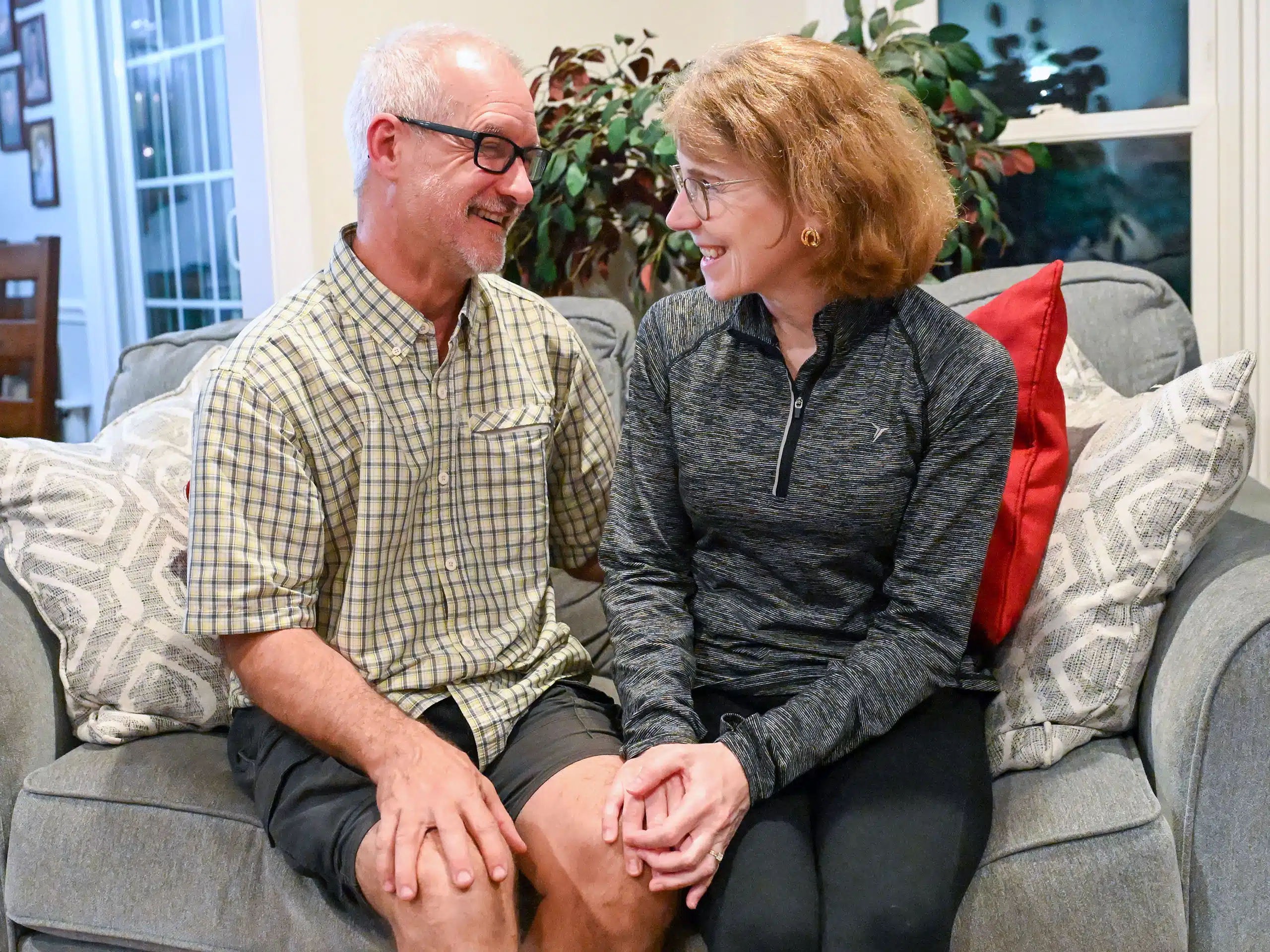
Maura and Larry Solomon knew before they married that they likely would be unable to have children. But they remained open to God’s plan for their lives. For the couple, that ended up being foster parents to nine teen girls.
May is National Foster Care Awareness Month, and families throughout the Arlington diocese want to spread the news about the unique vocation. While some families decide to foster one or two children, others feel called to go into the double digits.
“We’re serial foster parents,” joked Maura, a parishioner of Christ the Redeemer Church in Sterling.
March 9, 2009, the phone rang and the Solomons’ lives forever changed. A girl was being discharged from a hospital — would they be willing to foster her? “An hour later, the doorbell rings, and I open the door, and she says, ‘Are you my new mommy?’ ” Maura remembered. Today, Maura tells her, “You were the first one who ever called me ‘Mommy.’ ”
She stayed with the Solomons for five years. Afterward, the couple decided they wanted to continue fostering, one teen girl at a time. Today, they live in Sterling with one of their fostered “forever daughters” who chose to live with the Solomons as an adult.
Scott and Marie Kokotajlo, parishioners of St. Bernadette Church in Springfield, have fostered 20 children — and counting — all under the age of 13 since 2017. Fairfax County named them “Foster Parents of the Year” in 2021. With five adult children — four biological and one adopted — the Kokotajlos felt called to foster after meeting another couple at St. Bernadette who had begun fostering two teen girls. They attended an information night, participated in an interview and training, and waited for that first phone call from Fairfax County.
Children live with foster parents — also called “resource parents” — for varied periods of time. Some will stay for a year or more, while others may be there only a week.
The Kokotajlos said that being separated from the birth family’s home is a traumatic event for the child, involving many hours with strangers and a hospital visit for a physical exam before finally arriving at a foster home. Foster children enter the foster care system for a variety of reasons, including neglect, abuse or parental incarceration.
Fairfax County Foster Parent Recruiter Maya Mohindroo said those first few hours after a child has been separated from their home are often traumatizing. “We meet with the children on one of the worst days of their lives,” she said.
Marie is accustomed to welcoming new children into her home with only two or three hours notice. “They often arrive late at night,” she said. “We carefully guide them to bed in a room that we’ve set up for them, reassuring them that they are safe and loved.” There have been several occasions where the Kokotajlos have fostered sibling pairs.
The Kokotajlos said that in the days and weeks following, they work to develop a bond of trust with the child. “Forming an attachment with them is one thing that we strive to do, even if a child is with us for a short time,” Marie said. “Our job is to give them love, give them security, and help them build their own resilience.”
Foster parents also help transport children to medical and therapy appointments, covered by insurance provided by the county. When possible, they arrange weekly, one-hour meetings with a child’s birth parent.
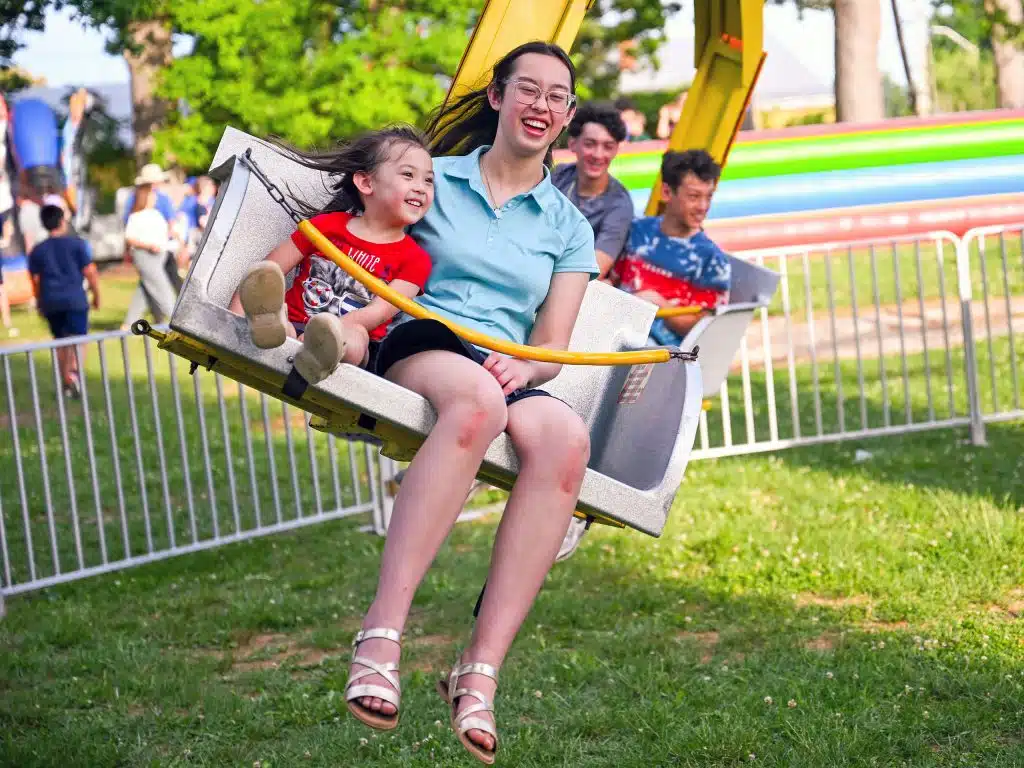
From there, the foster parents begin “showing them what family could be,” said Scott. The Kokotajlos have family game nights, camping trips, and other outings and invite their adult children to join in on the fun.
The Solomons also have their family traditions, including trips abroad in some cases. “If you live with us long enough as a foster child, at some point you’ll go to Ireland,” said Maura, a first-generation Irish American. The Solomons deeply invested in their foster teens’ interests. “If it was something that the child liked and it was healthy and wholesome, we got into it, we jumped in,” Maura said.
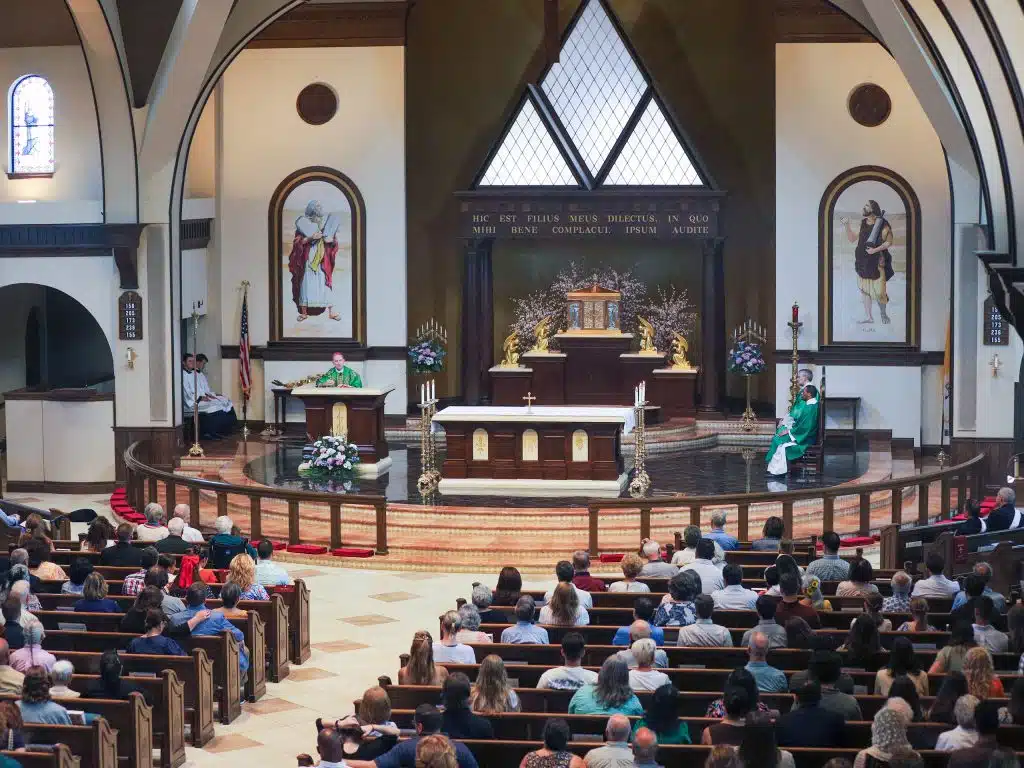
Serving as a foster parent has firmly convinced Maura that “there is a plan God has for us.” Both Maura and the Kokotajlos said fostering has allowed them to share their faith in different ways. The Solomons nurtured their foster teens in an interfaith household — Larry is Jewish — and often prayed together. Maura took one of her “forever daughters” to Mass; the two of them were immediately asked to bring up the gifts. The Kokotajlos also have brought their foster children to Mass. They said the kids demonstrated both curiosity and an impatience to sit still for long, a struggle common to all Catholic parents.
“I would say the children are hungry for that information; they readily accept and want to learn more about God,” Marie said. “We focus on the fundamentals,” such as teaching the children about God as creator and his great love for each child, body, and soul.
According to the Kokotajlos, one common misconception about foster parenting is that all foster children will be eligible for adoption by the foster family. Mohindroo said that in Fairfax County, “the first goal we are mandated to work on is reunification” of the birth parent and child.
“With our own eyes, we’ve seen that happen, where the birth parent goes through drug rehab — they get themselves on their feet … and address whatever the county asked of them to get their kids back,” Marie said. “We would rather characterize our desire to foster children as an equally strong desire to help heal families,” Scott added.
Termination of parental rights can occur but “it is the last resort,” after the county works with and monitors the birth parent for at least a year, Mohindroo said. If parental rights are terminated, relatives, extended family, and even close family friends or godparents may adopt the child.
Children who do not have familial guardians to care for them become eligible for adoption. That’s when the Catholic Charities Waiting Child Adoption program steps in. Meghan Lane, program director for diocesan Catholic Charities’ pregnancy and adoption support, said the program works with surrounding counties to identify children who are eligible for adoption. “The children who are placed through our program have not been able to be adopted through their foster family or other in-agency/locality families so they need to seek external families,” she said.
Families who contact Lane through the program are trained to ensure the child’s emotional and mental needs will be well taken care of. “These kiddos will have special emotional and behavioral needs, and families need to go through a lot of training and preparation to equip them with the tools they need to be successful,” Lane said. “Catholic Charities completes the family’s home study and preparation and then we assist families as they consider various matches (and) placements.”
Lane said the program has facilitated an average of five adoptions per year and she anticipates that number will grow.
The need for more foster families is great. Mohindroo said Fairfax County currently works with 82 foster families but has approximately 240 foster children. She said the county particularly needs families who can speak Spanish.
Foster parenting is a vocation that requires discernment and much patience, the Kokotajlos said. “We’d be dishonest if we didn’t say there were sacrifices and challenges,” Scott added.
But the rewards they receive from loving and caring for the children far outweigh the difficulties of foster parenting. “We’ve learned something from every one of them,” Marie said. “We’ve been fostering for eight years already and we hope to help many more families in the future.”
Donofrio can be reached at [email protected].
Find out more
To inquire about fostering in Fairfax County, go to bit.ly/3Fd6Eka.
For the Waiting Child Adoption program, go to bit.ly/3SG4A8j.