According to Climate Central, warming temperatures have made Virginia’s mosquito season 22 days longer. And that season could get even longer. The warmest seven years on record have all occurred since 2015 and warmer days are projected to continue, according to the World Meteorological Organization. That’s just one of many reasons Catholics should be concerned about climate change, said Dan Misleh, founder of the Catholic Climate Covenant.
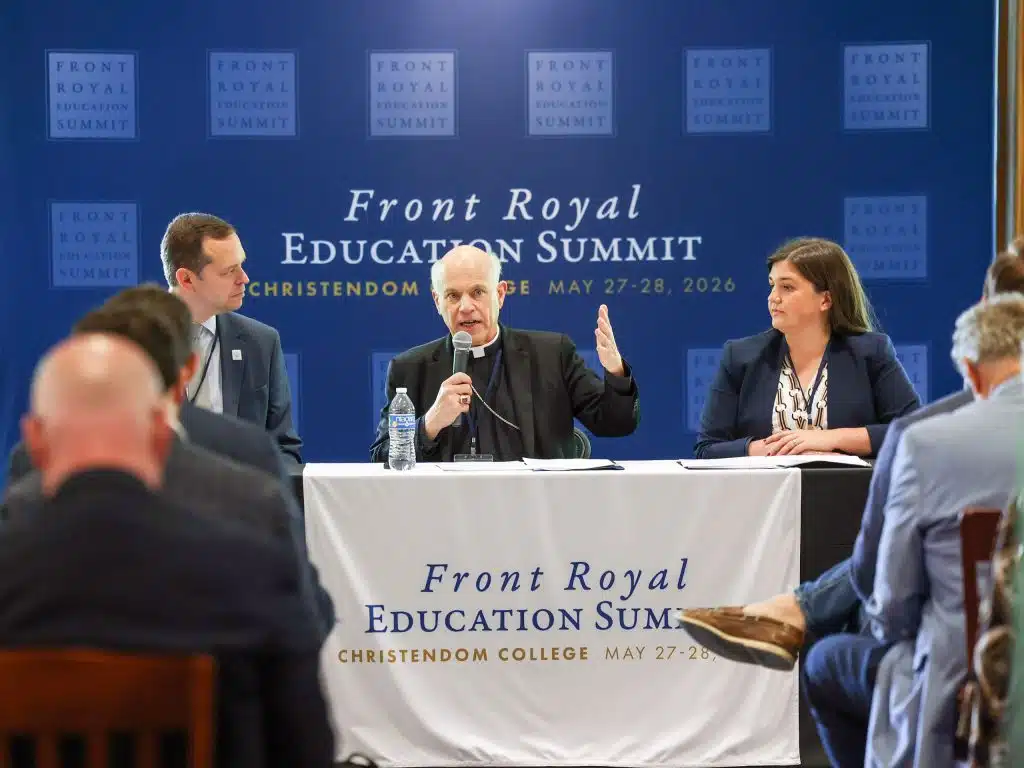
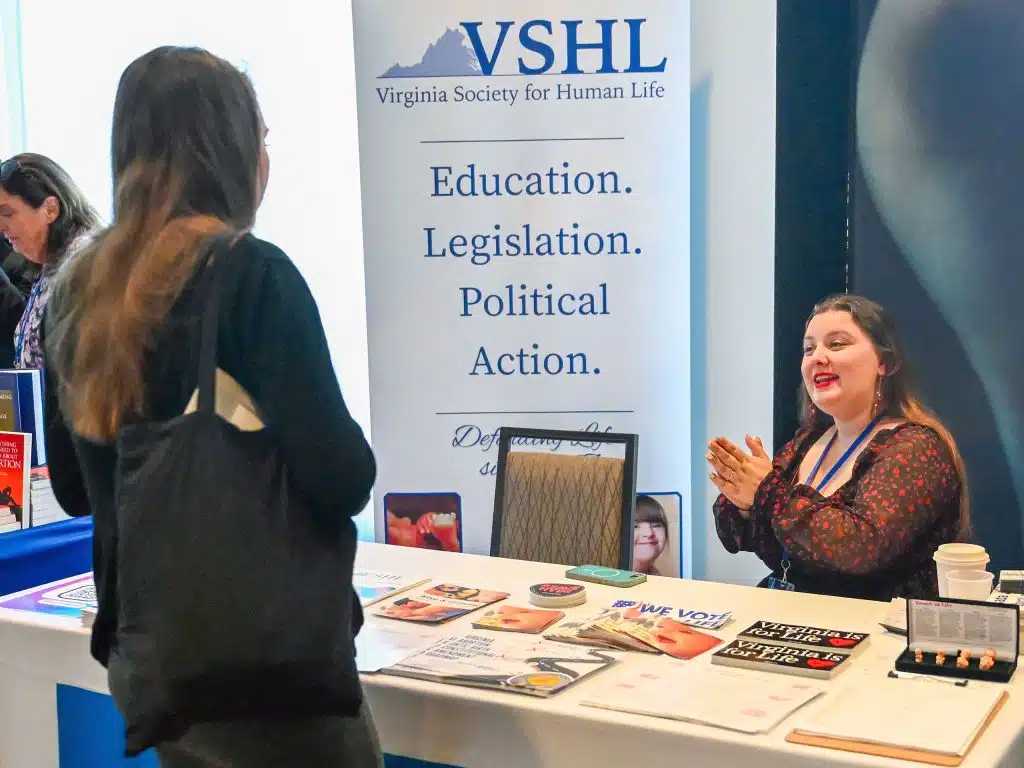
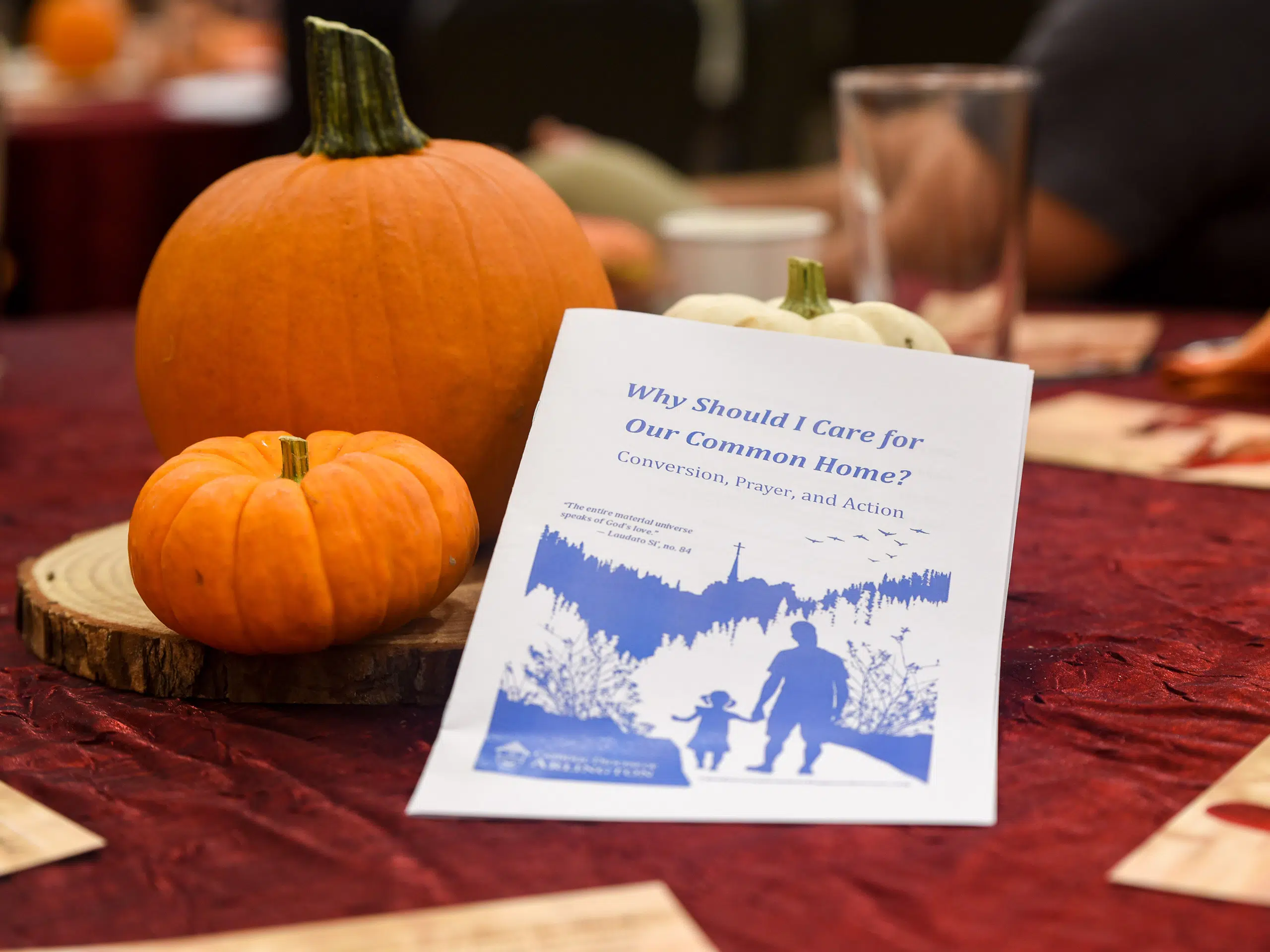
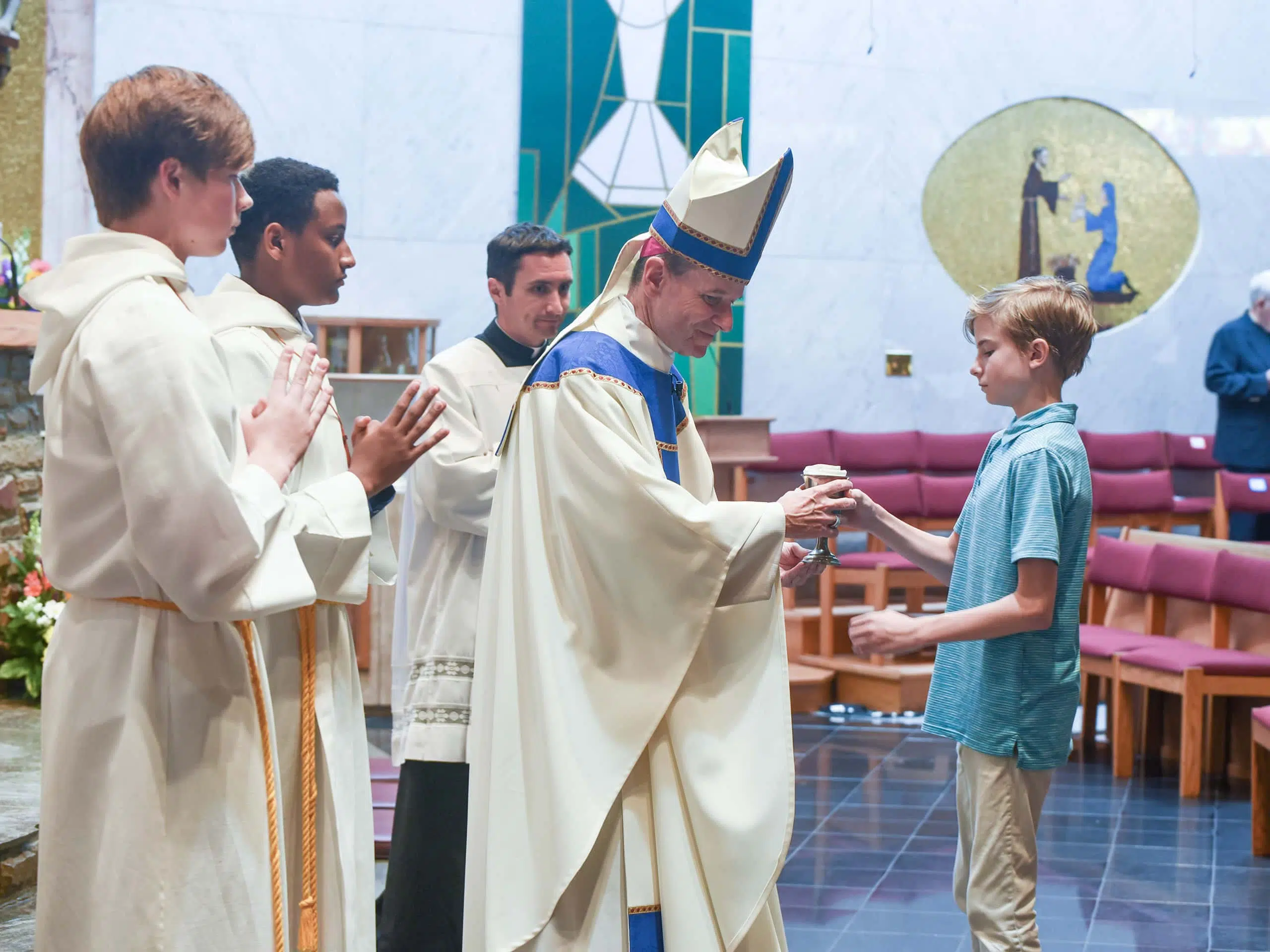
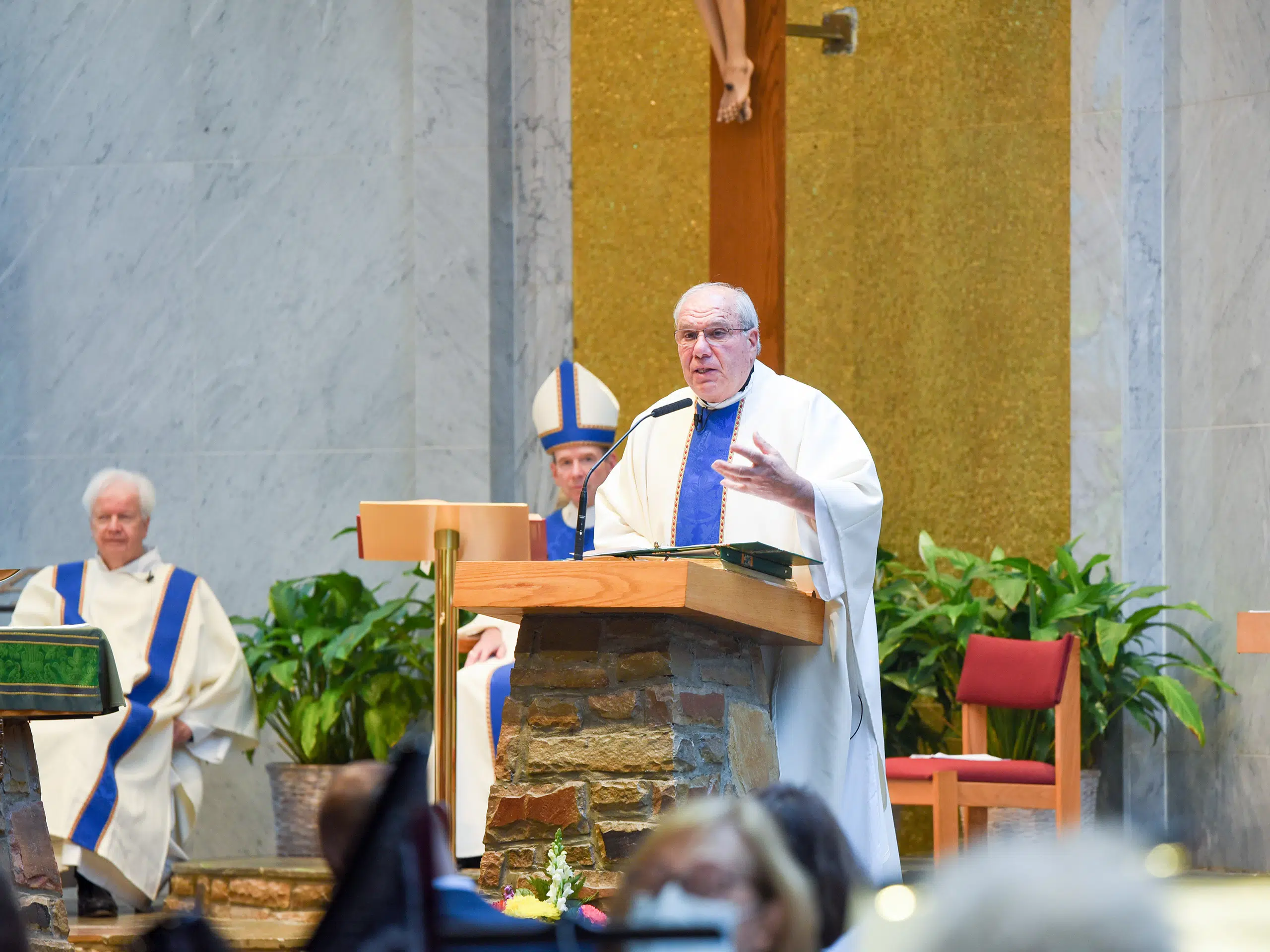
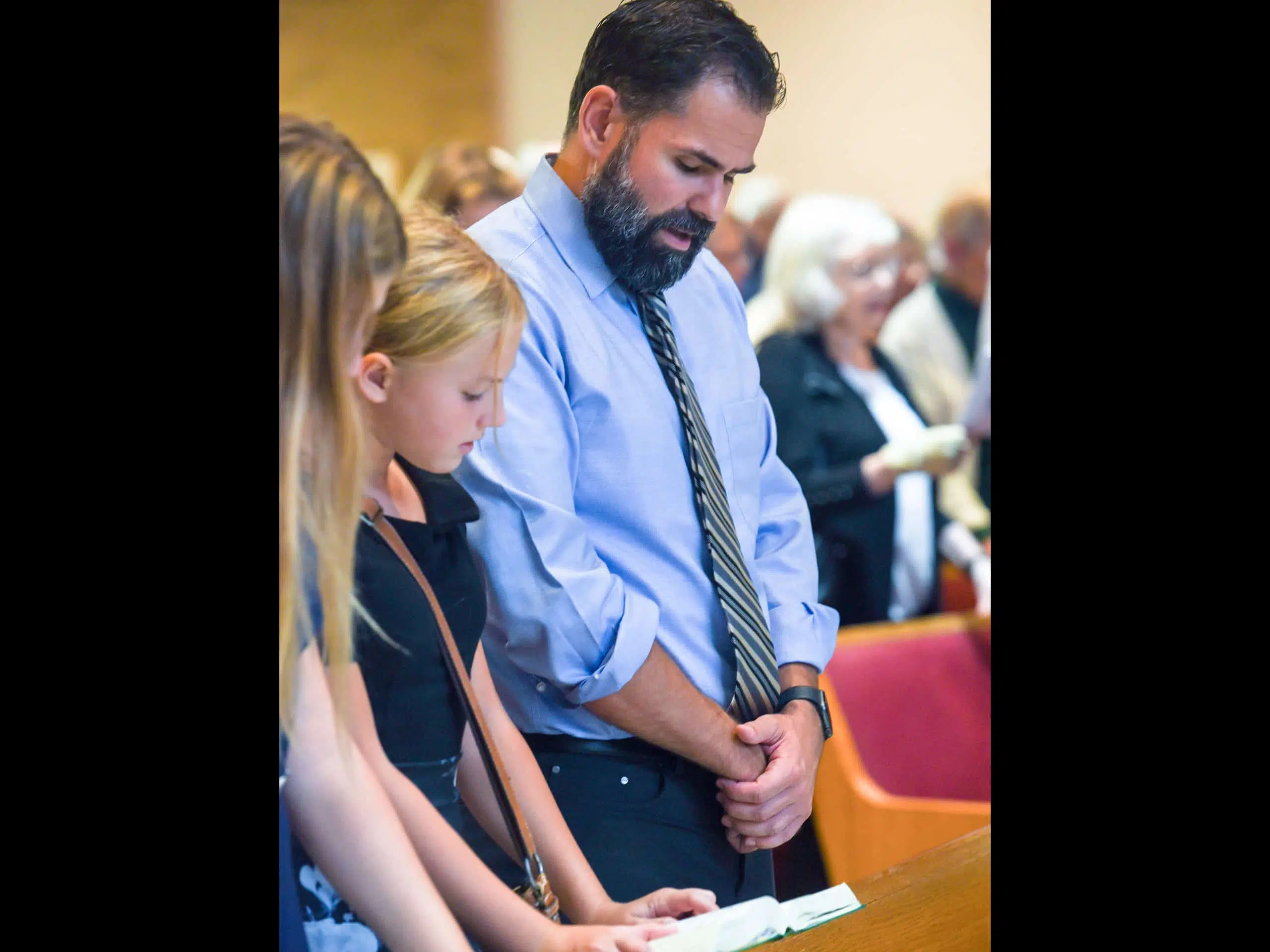
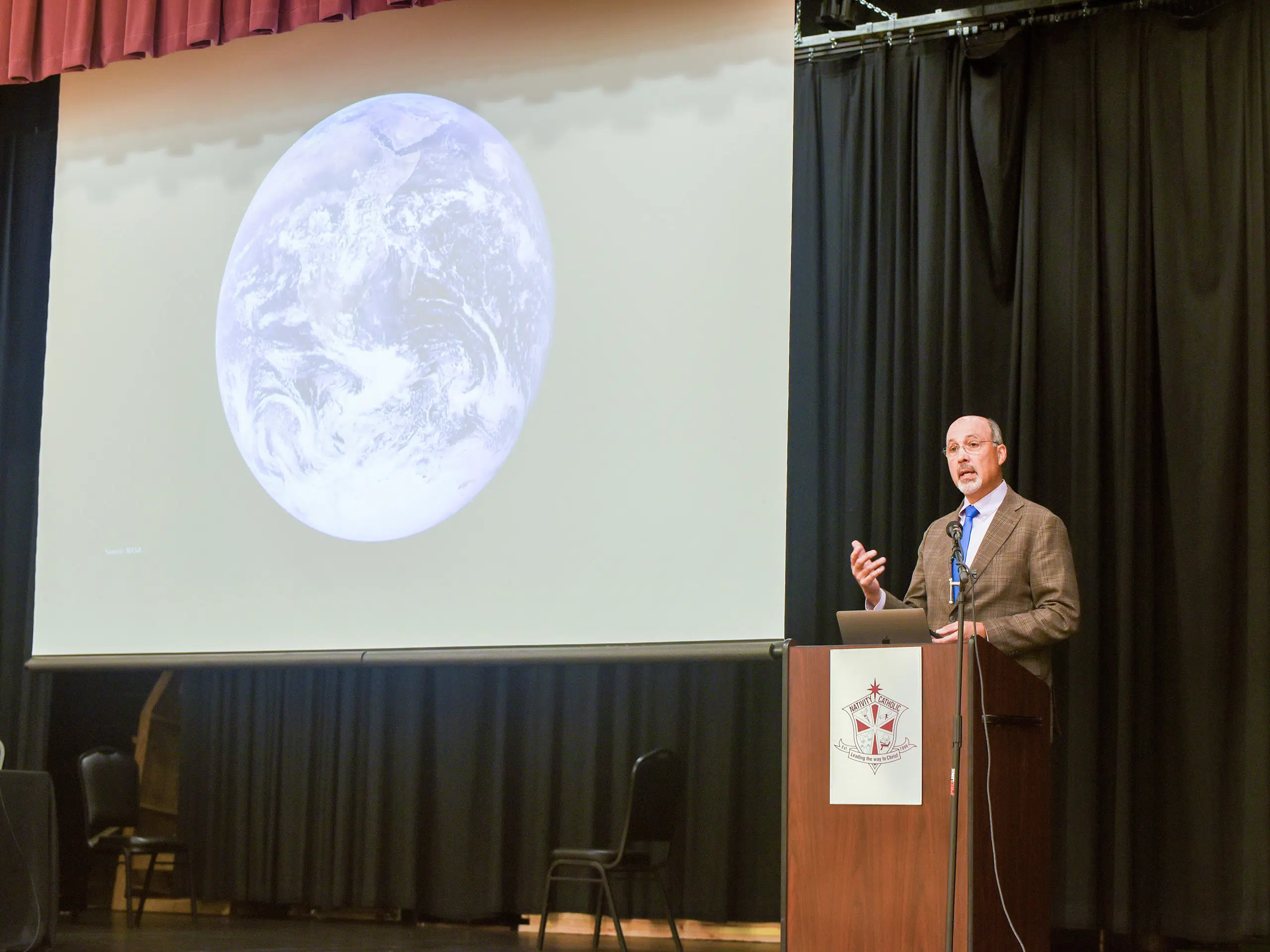
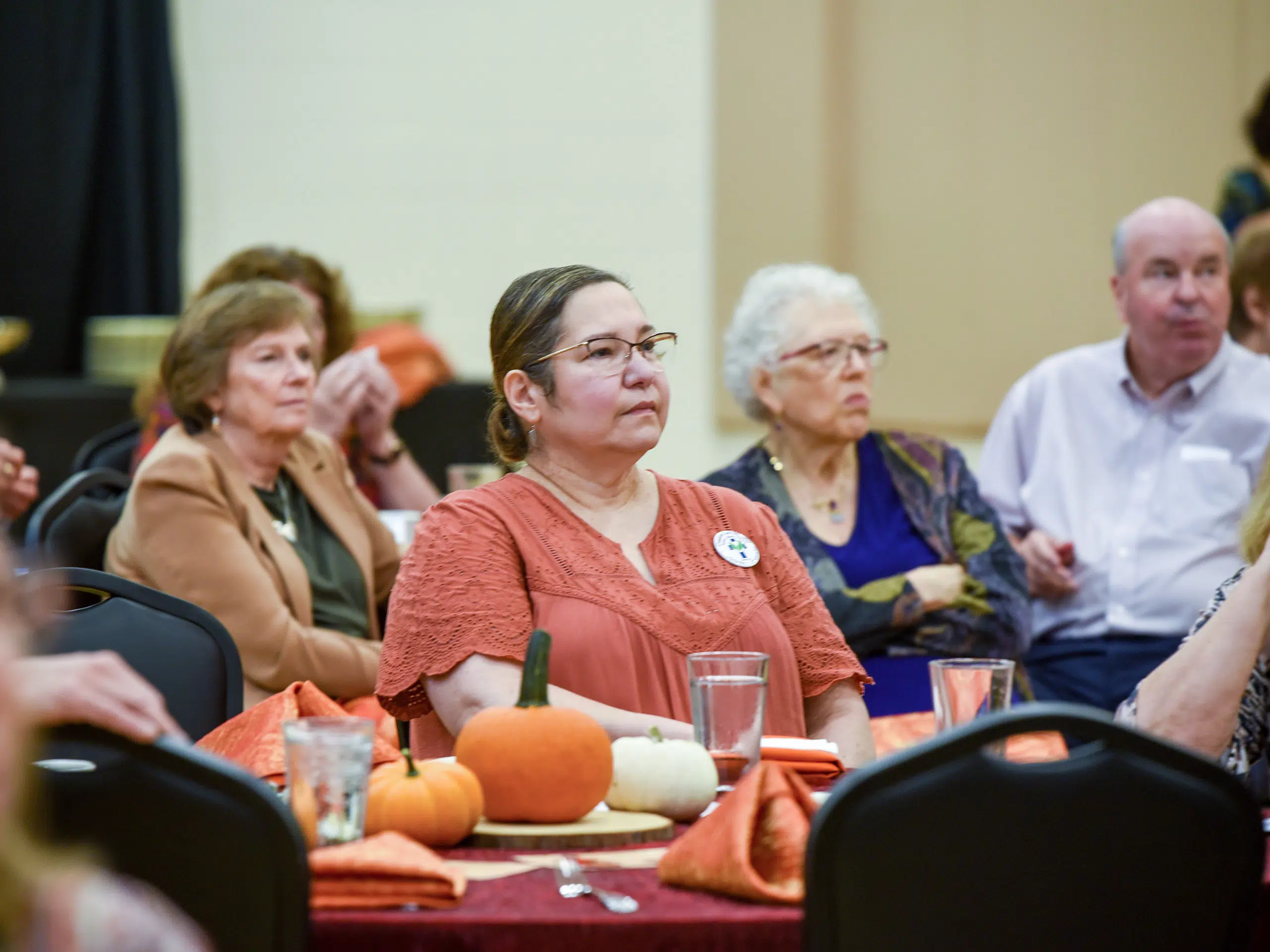
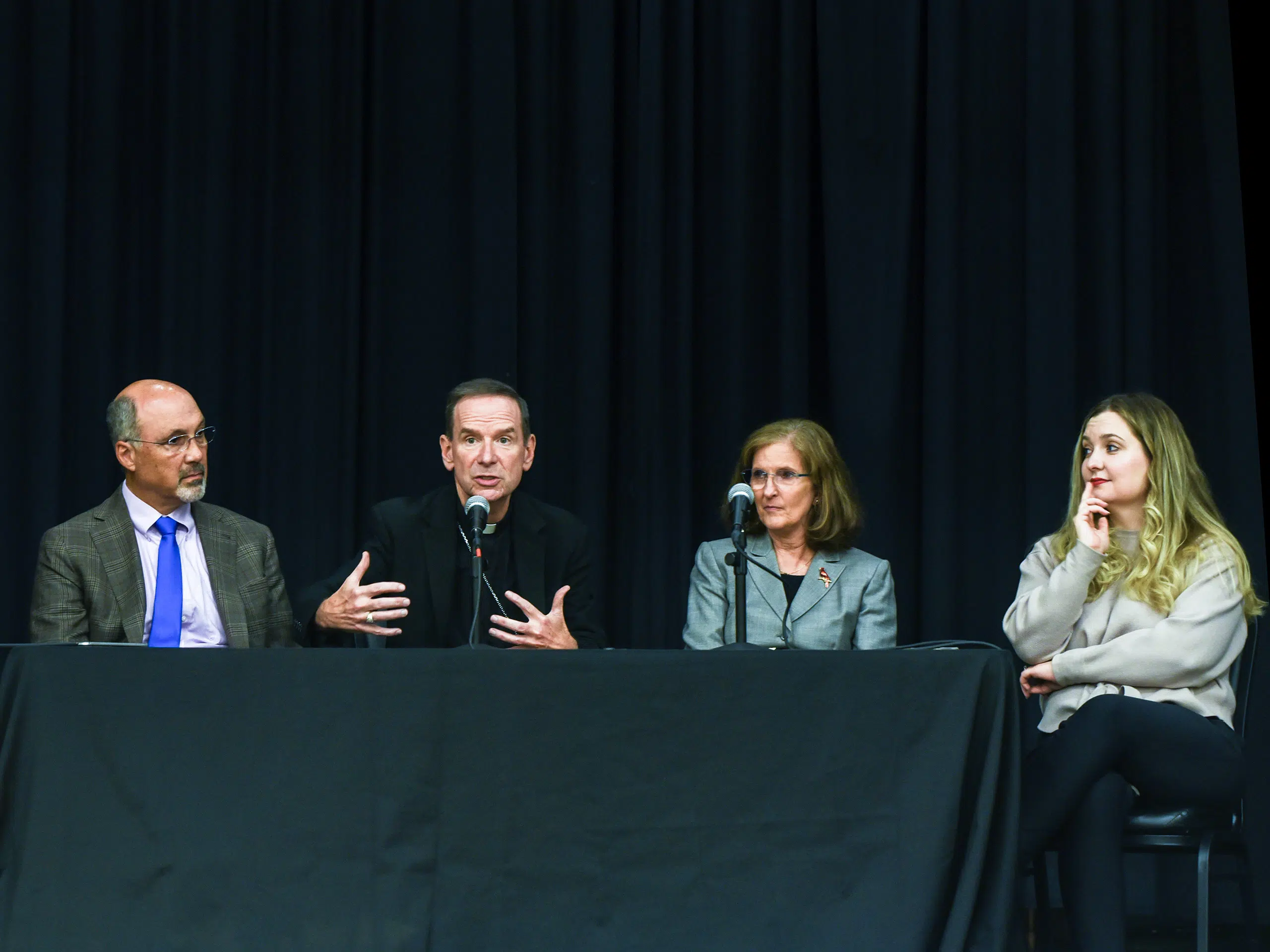
Misleh was the keynote speaker at the annual Peace and Justice Commission conference, held Sept. 17 at Church of the Nativity in Burke. This year’s topic was “Why Should I Care for Our Common Home? Conversion, Prayer, and Action.” Bishop Michael F. Burbidge celebrated Mass to kick off the event.
“We care for our common home because it is the gift of our creator,” he said in his homily. “Pope Francis calls us to approach nature and the environment with awe and wonder, for then our care for it will well up spontaneously.” Bishop Burbidge also noted that climate change most impacts the poor. “On the day that God calls us to himself, we will be accountable to the extent that we have shared our resources properly with others,” he said.
In his keynote, Misleh explained how the climate is changing. “That same extra heat that evaporates more water from the oceans causing bigger downpours and floods, is also causing more droughts,” he said. That has led to rising sea levels, more fires, storms and mudslides.
“As faith people, we need to see both the spiritual and the social responsibility for what is happening,” said Misleh. “Benedict XVI (said that) the external deserts in the world are growing because the internal deserts have become so vast. For this reason, the ecological crisis is also a summons to profound interior conversion. Humans are made in God’s image and likeness but we must also recall that all of creation gives praise to God.”
Misleh noted that the Bible, popes and bishops all have taught about care for creation. “We have all the tools we need in the Catholic Church, but what we need is a movement. We just need to get busy,” he said. Lonnell Battle, assistant principal and dean of academics at Bishop Ireton High School in Alexandria, spoke about the many ways the school is teaching its students to care for creation. Andrew Schulman, diocesan director of the Office of Planning, Construction and Facilities, said that diocesan school and church construction projects aim to be as sustainable as possible. If any churches are looking into more greening initiatives, such as adding solar panels, his office stands ready to help.
In “Laudato Si’, on Care for Our Common Home,” Pope Francis noted that while many things will have to change, it is human beings above all who need to change, said Misleh. “A great cultural, spiritual and educational challenge stands before us and it will demand that we set out on the long path of renewal,” he said. Mishel also believes youths will resonate with those efforts. “If we want to keep and draw young people back to the church, we have to focus on the environment. It’s where they’re most passionate,” he said. “Let’s do this for them.”
Caring for creation as a family
During the workday, Meghan Goodwin serves as the U.S. Conference of Catholic Bishops’ associate director of government relations, leading their Congressional environmental advocacy efforts. The rest of the time, she’s a wife and mother of three who’s working to impart the faith, including care for creation. Here’s how their family does it.
“We have a family garden in the backyard with a statue of the Holy Family in the middle. I invite my daughter out there every spring to plant the flowers and to plant the vegetables. She loves harvesting our tomatoes,” said Goodwin. “We also keep quail for eggs and eat them in our Saturday morning breakfasts. The value of that is having our children think about where our food comes from. Our food doesn’t just come from a box in the grocery store, our food comes from the earth.”
Goodwin and her family try to walk and bike as much as possible, and when she can, she walks her children to school. “(Use) that opportunity to talk with your kids about what they learned that day in school, what they’re looking forward to and commenting on the flowers, on the butterflies and how wonderful it is that we have trails we can walk on,” she said. She encourages families to buy a fuel-efficient car or a hybrid when they do drive.
As it takes more resources to raise animals than produce, the family goes meatless three days a week. “We think about people who don’t have the privilege of eating meat very often and live frankly on rice and beans in many places of the world. So, it’s an act of solidarity but it also has a large impact,” she said. “And because we don’t buy meat very often, that saves us a lot of money, so we take those savings and we use it to buy our vegetables and fruits organic, locally grown if possible.”
When she does buy meat, she talks to her children about how the animals were raised. “How were the chickens treated — were they able to wander the fields or were they crammed into a warehouse in cages and never saw the light of day? We were given dominion over the created world, not domination. We’re not meant to be tyrants, we’re meant to be stewards.”
Lastly, nothing beats a hands-on learning opportunity, said Goodwin, so grab a trash bag and clean up a trail or nearby park.