Next month, the Virginia Knights of Columbus will open their 59th group home for people with intellectual disabilities, addressing an enormous shortage of services for these individuals, and will finance it with a zero-interest mortgage grant.
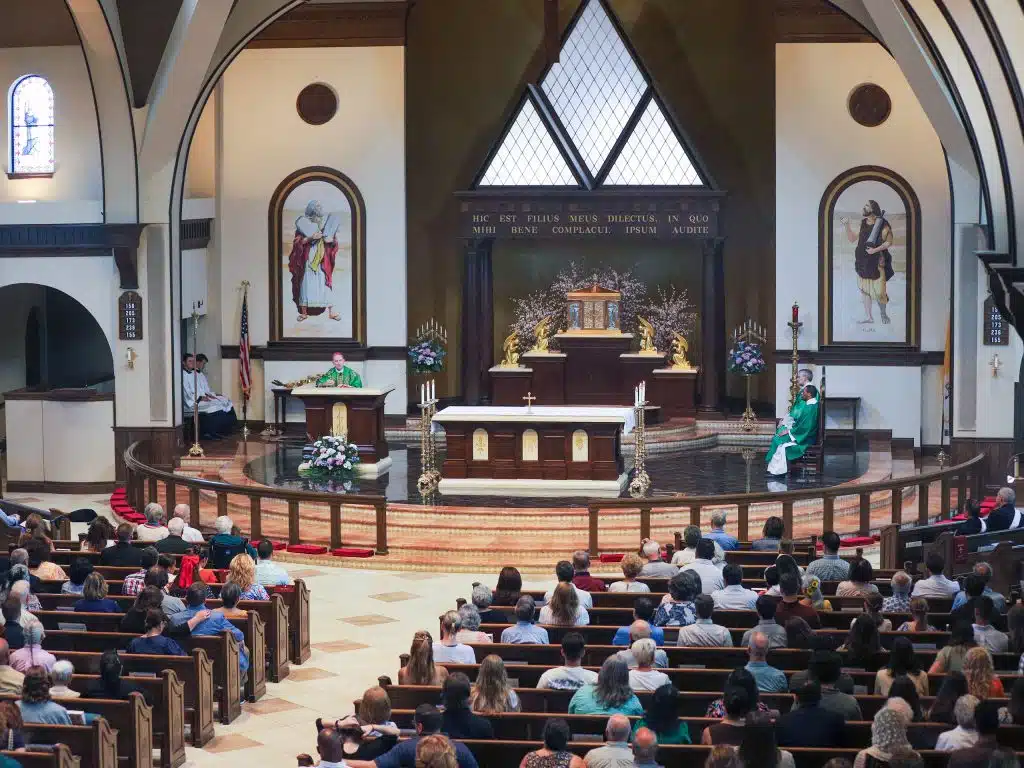
Bishop Michael F. Burbidge is expected to be on hand to bless the house in the small community of Strasburg, not far from West Virginia, and just off an exit on Interstate 81.
The Strasburg house cost $475,000, and the one purchased before that, in nearby Winchester, cost $428,000 in 2024 before another $75,000 in renovations.
The mortgage loan fund that the Virginia Knights manage through their KOVAR charity began in 1994 and currently has a $2 million revolving fund with 16 active loans.
The Knights have set a goal of doubling it to $4 million to expand lending capacity to keep up with escalating prices, especially in Northern Virginia.
KOVAR will finance up to $375,000 toward a $500,000 purchase and 75 percent of the cost of less expensive homes.
The campaign to double the mortgage loan fund, called Enduring Love, has gotten off to a slow start, receiving only $248,000 through the end of 2025, one-eighth of the eventual goal. Most of the local Knights councils around the state have not yet contributed.
“There is still a need for group homes, and it is still the best-funded option,” said Lucy Beadnell, chief advocacy and policy officer for ARC of Northern Virginia in Falls Church.
“Virginia has been so far behind, you are not going to have a problem getting takers,’’ Beadnell said, explaining that other states have been ahead of Virginia in offering alternatives for care.
In January of last year, Virginia agreed to a permanent federal court injunction that replaced an ongoing court-monitored settlement agreement with the U.S. Justice Department dating back to 2012. The agreement specifies how the state will improve and expand services and support for individuals with developmental disabilities.
The Justice Department lawsuit sought compliance with the Americans with Disabilities Act and the Supreme Court’s Olmstead decision.
Anita Sharp, a regional manager for enCircle, a Lutheran nonprofit that partners with the Knights-sponsored Marian Homes to provide day-to-day services at the Winchester home, said it’s much more than just affordable housing.
“It’s quality of life,’’ Sharp said. “It’s independence. It’s dignity. It’s safety, security, all within these walls.”
Her organization will manage the soon-to-open Marian home in Strasburg.
Marian Homes was started by the Knights Council at St. Mary of Sorrows Church in Fairfax. The Strasburg house will be its 10th.
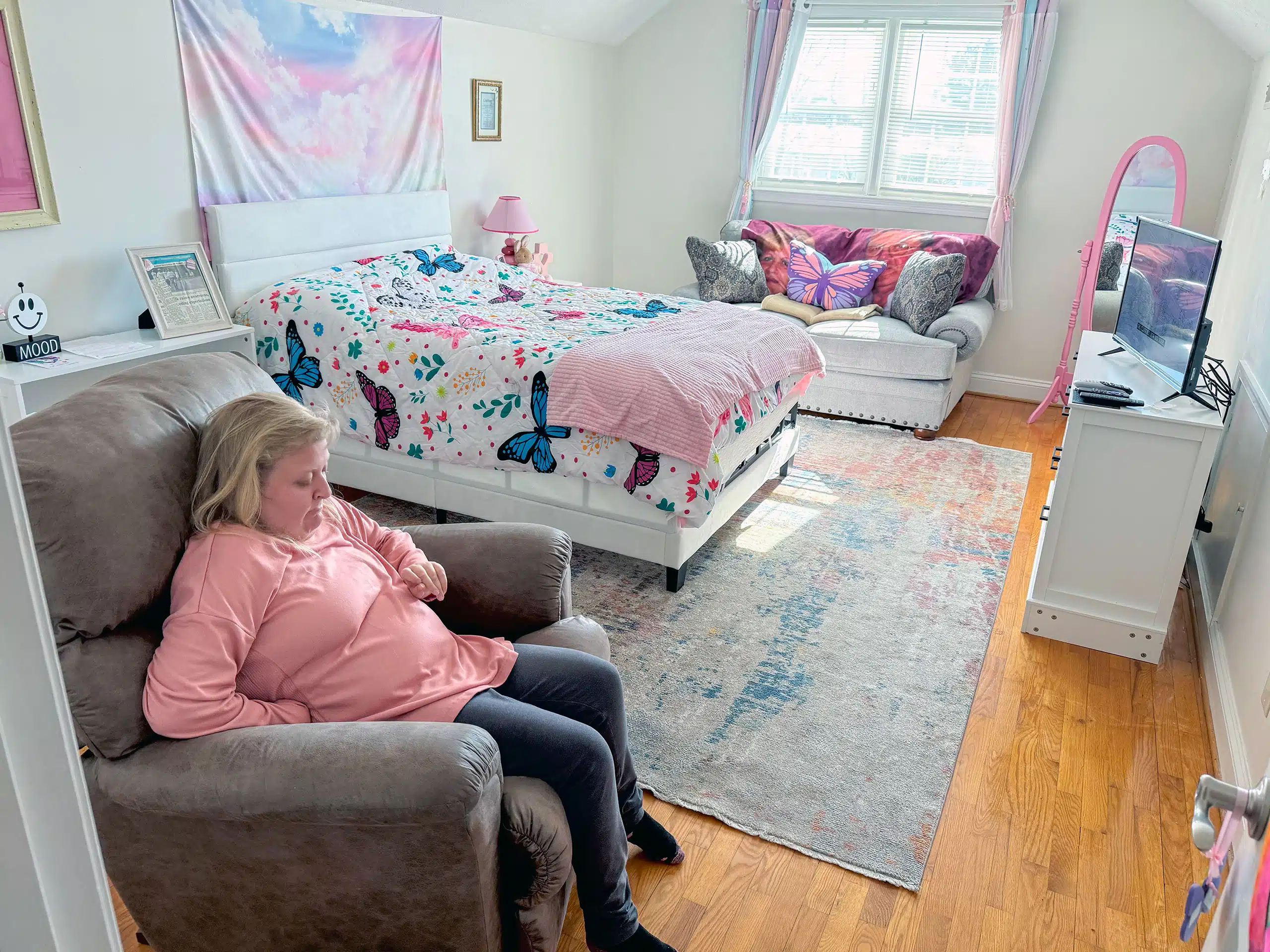
Renee Waymire placed her daughter at the Marian home, managed by enCircle in Winchester, because the caregiver group is faith-based and has a good reputation.
“The girls in there really love her,” Waymire said. “They take good care of her, and I feel very confident and comfortable with her being there.”
Waymire’s 30-year-old daughter, Courtney Clark, has Down syndrome and is nonverbal.
Until Clark moved into the Winchester home nearly a year ago, she lived with her parents in nearby Stephens City.
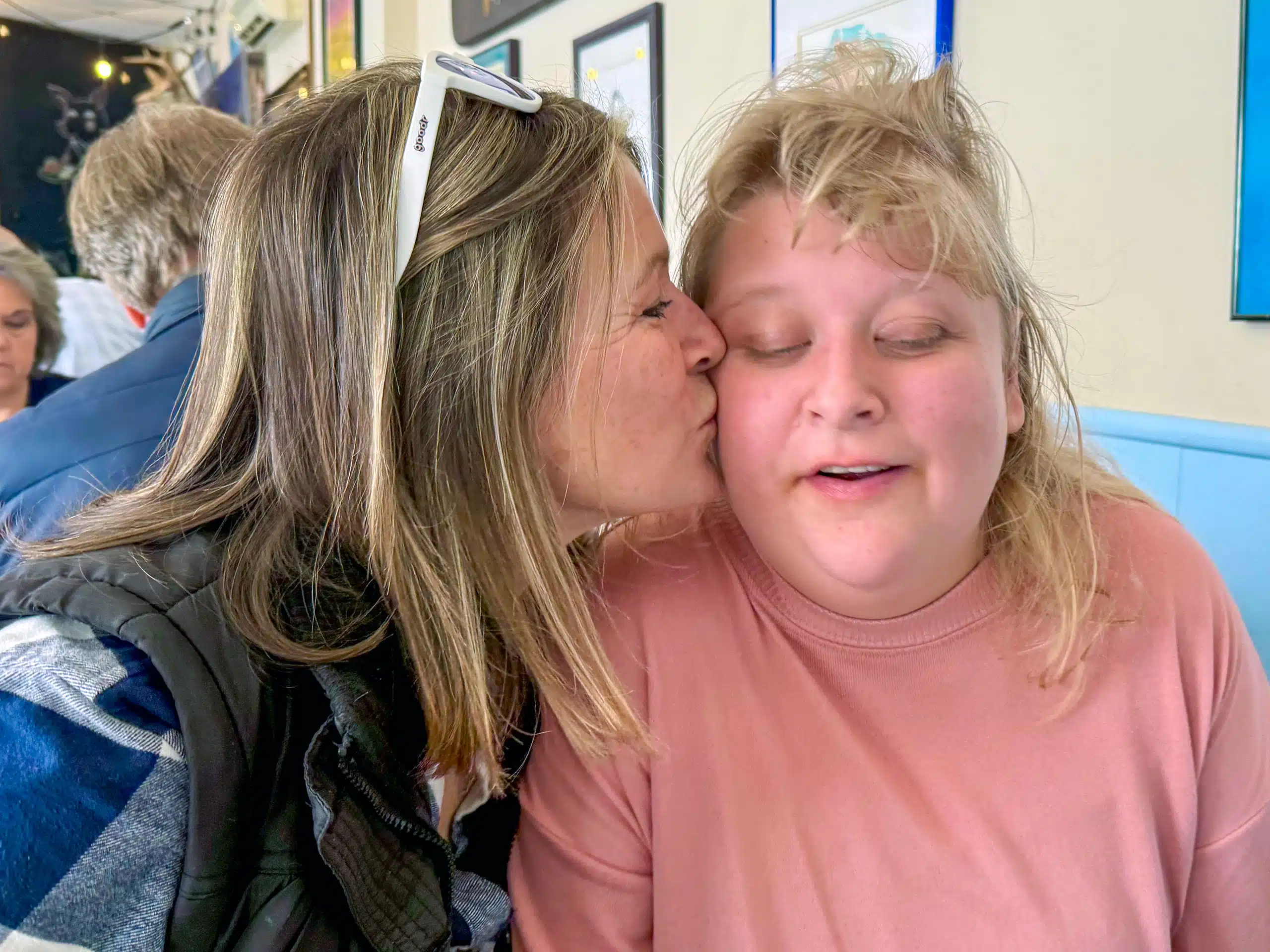
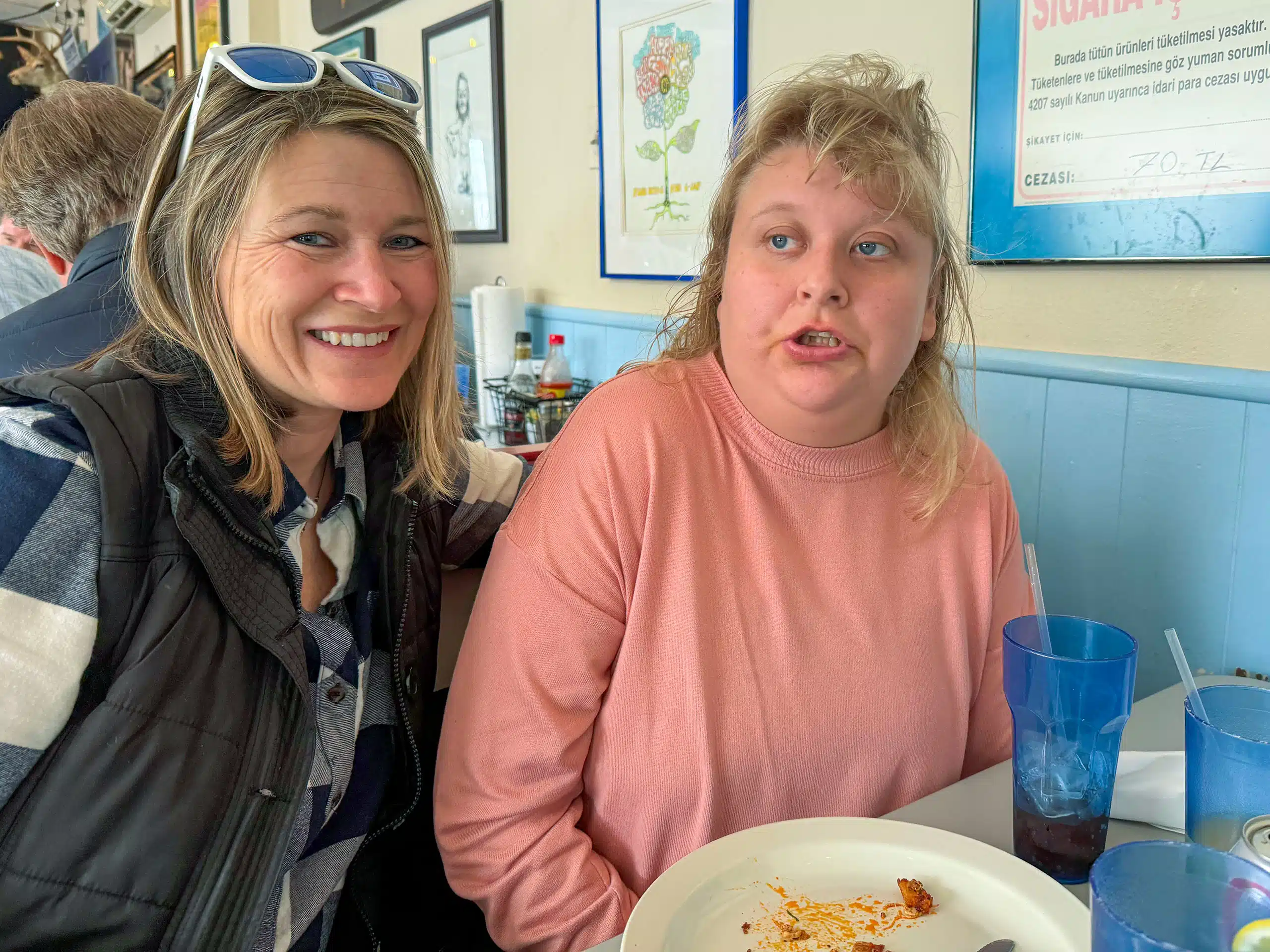
The proximity of the group home allows Waymire to have regular contact with her daughter, including taking her out for lunch on Wednesdays.
On a recent lunch outing, they sat in a booth as Waymire held forkfuls of food for her daughter to eat.
Courtney alternated between deep looks at her mom and glances around the room. She closed her eyes and smiled when her mom pecked her cheek.
Waymire said she has learned to anticipate her daughter’s needs but had “burnout” caring for her. “I looked at a lot of different options,’’ she said.
“I’ve reached out to so many things I couldn’t even tell you,” she said. “I spent my life really dedicated to that, just services for her, opportunities for her. That’s pretty much how I spent all my life … because I wanted to ensure the best life for her, and so the amount of resources, the books, the notes, the stuff that I carried through the years, it’s like you kind of get just burnt out.”
Unless a family is affluent enough to pay out of pocket for a loved one to live in a group home, the parents of the intellectually disabled almost always rely on the federal-state Medicaid program for developmental disability waivers to cover the cost.
But there aren’t enough group homes or Medicaid waivers to cover the need.
According to the most recent data, Virginia had 1,785 group homes with 7,351 beds for adults and children with developmental disabilities in August 2024. Lauren Cunningham, communications director for the Virginia Department of Behavioral Health and Developmental Services, said the state also had 17,484 people waiting for developmental disability Medicaid waivers as of the same date.
Virginia has about 88,800 to 260,400 people with varying levels of intellectual disability, out of a state population of 8.88 million, using an estimate by Special Olympics that 1% to 3% of Americans have intellectual disabilities.
Causes range from Down syndrome, Fetal Alcohol Syndrome, Fragile X syndrome, and birth defects to complications during birth and events later in life, such as severe head injury, infection, stroke, or diseases such as whooping cough, measles, or meningitis, according to Special Olympics.
Waymire said she was cautious about placing her daughter in a group home because of her extra needs.
“She’s not very independent, you know,” she said. “Getting up in the morning, it had to be my routine every day to help her manage her tasks, help her do all her things, and so, of course, then it also meant that my work schedule had to be in a very regimented time period.”
Waymire left a government job a decade ago to pursue real estate, seeking a more flexible schedule as her daughter grew into adulthood. She has also been involved in a local nonprofit day program called “I Can 2,” which runs solely on donations and doesn’t accept government grants.
Waymire believes some group home operators are in the business for the money and do not provide the same quality of care.
“For me, it was appealing, you know, to go in that place, because I felt like it had a little bit higher level, right?” Waymire said.
Tumulty is a former Gannett reporter and a parishioner of St. Timothy Church in Chantilly.
Find out more
To watch a video about the Knights’ efforts go to bit.ly/4kRHiIX.