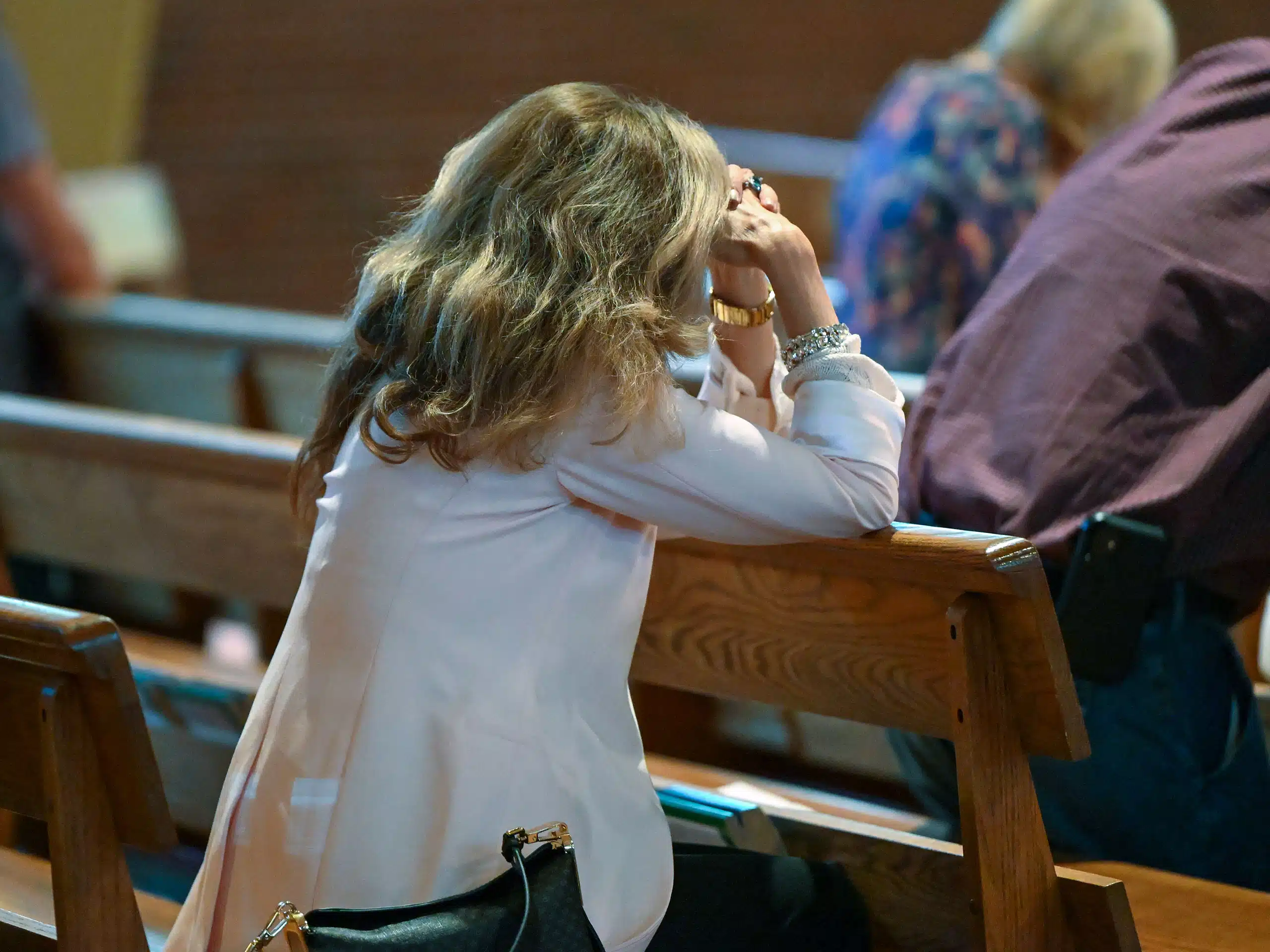
On a picture-perfect Saturday, the entire campus of Our Lady of Good Counsel Church in Vienna became a place of healing.
Nearly 200 participants, including mental health professionals and supportive family and friends, gathered at the church Aug. 23 for the annual Mental Health Day of Prayer, with the theme “I Am with You Always.”
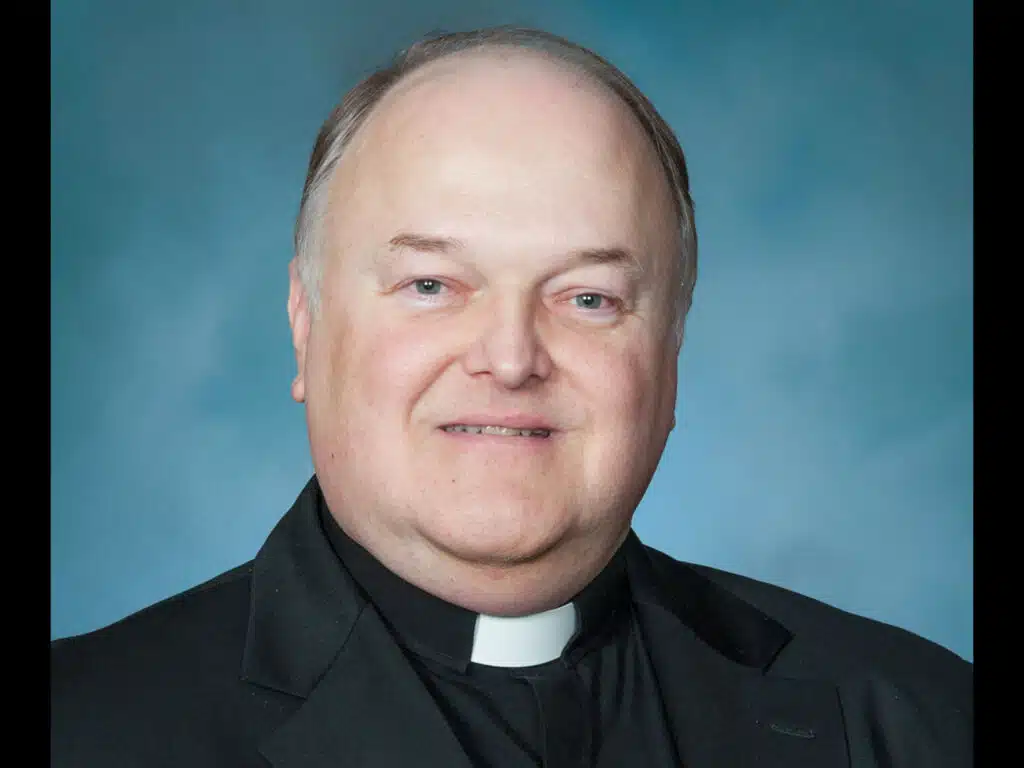
Bishop Michael F. Burbidge commended participants in his homily at Mass. “Dear friends, your presence here today is your response to the Lord’s invitation. You come here with your burdens. Perhaps that is the burden of suffering, suffering in body or soul or spirit; maybe the burden of trauma or an addiction that you seem unable to overcome; maybe the burden of loneliness or distress,” he said.
He encouraged participants to never give up hope, and gave tangible examples. “The healing stories in the Scriptures, including the Gospels, always inspire me,” he said. “Someone was healed after eight years, after 18 years, after 38 years.”
Bishop Burbidge had one request for those in the pews. “As you receive Jesus in the holy Eucharist today … show the Lord your wounds with the belief in his power to heal and to transform you, to give you new life,” he said.
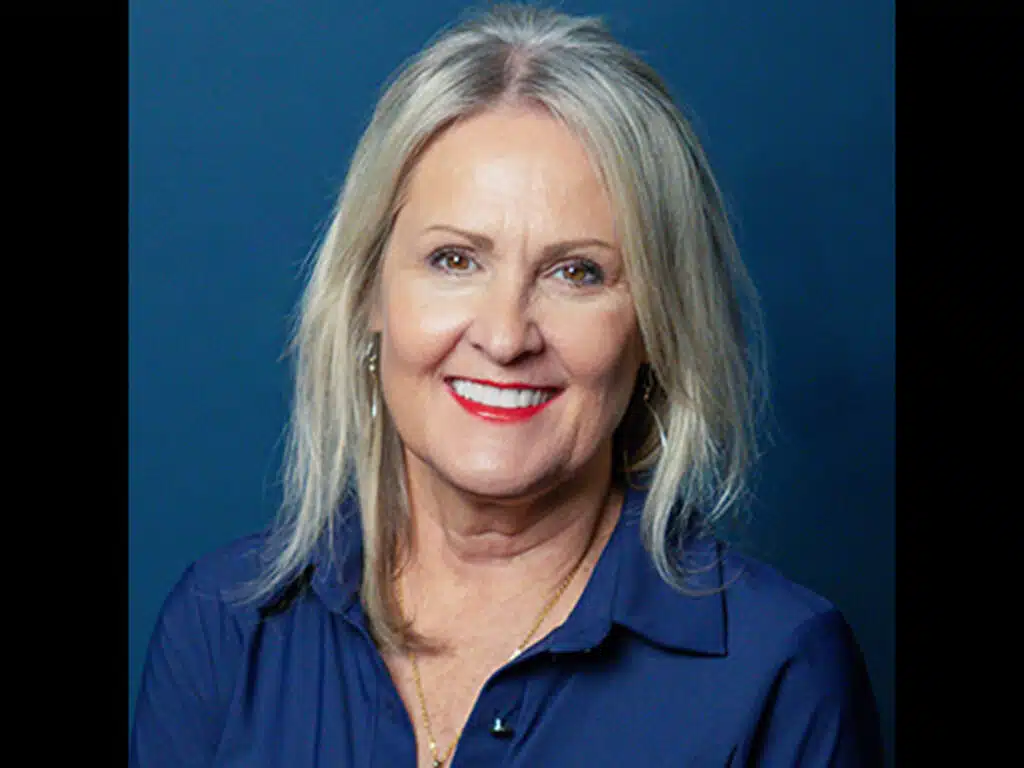
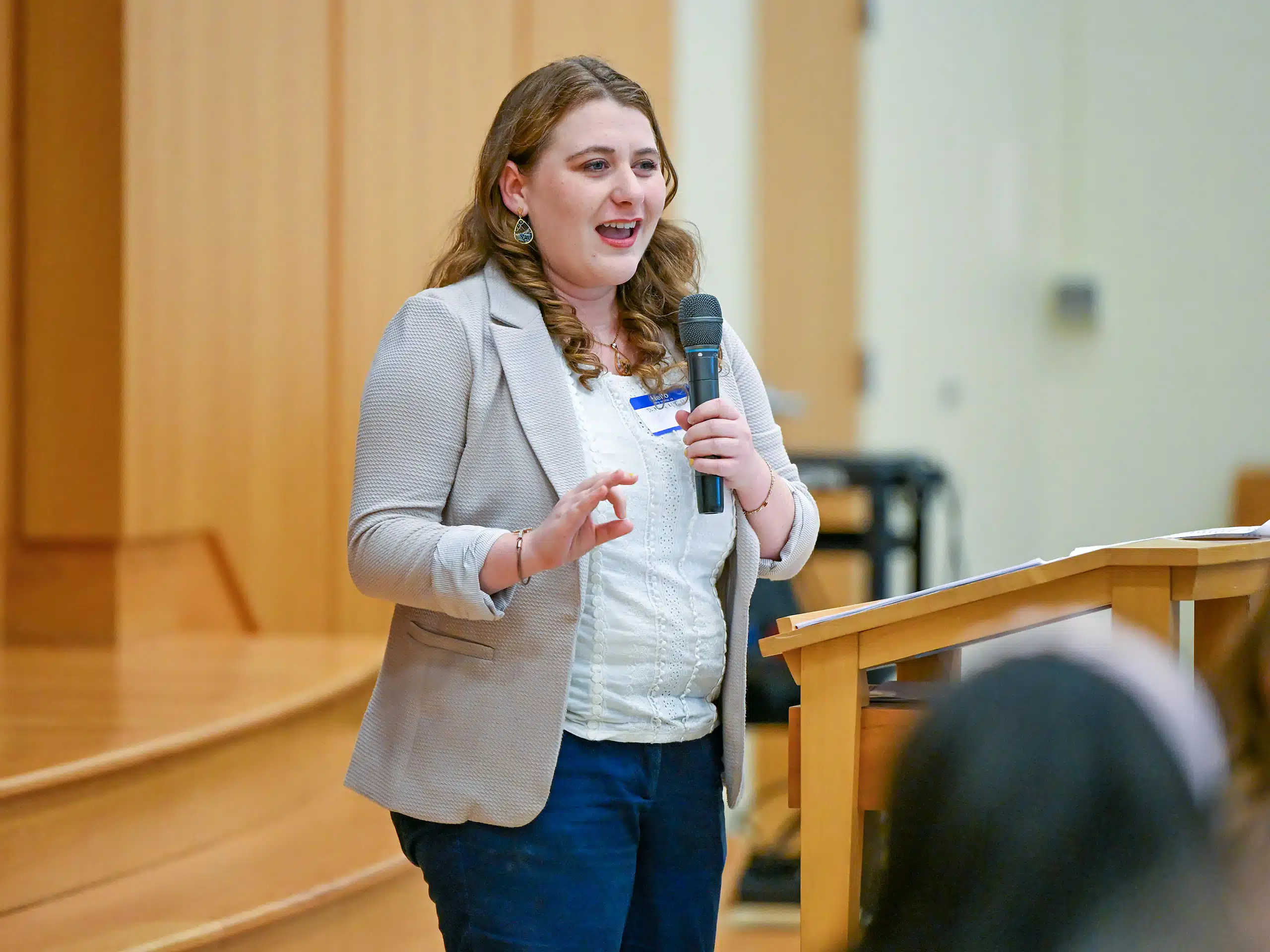
Following Mass, participants gathered in the parish hall for lunch and a presentation on psychological trauma by Maura McFadden, a psychologist at the Center for Wellbeing at American University in Washington. McFadden said that while mental health awareness has increased socially, particularly among members of Gen Z, she still sees symptoms of self-blame among her younger clients.
“The college students I work with are the most psychological-minded generation members. But ‘Dr. Google,’ ‘Dr. TikTok,’ they cannot fix that gap between thinking and feeling and acting,” she said. “Despite knowledge of their symptoms and where they come from, they strongly believe the depressive thoughts of being unlovable and unworthy.”
A common response to trauma often focuses on the age-old question of suffering. “A survivor of trauma often naturally develops a belief that it’s their fault that the trauma happened, because the alternative explanation that terrible things happen outside of my control is too much to bear,” she said.
It can be hard for trauma survivors to trust God, McFadden said, but they can learn an important lesson from a water bottle. She held up her Contigo-brand water bottle, adding that the meaning of the Spanish word “contigo” means “with you.” “God is with you always,” she said. “He’s right there … sitting next to you in your hiding place. He’s quiet, but he is not angry or resentful that you don’t feel his love. Yet, he knows that it takes time and experience to heal wounds and to feel safe with someone, because that’s how trust is built.”
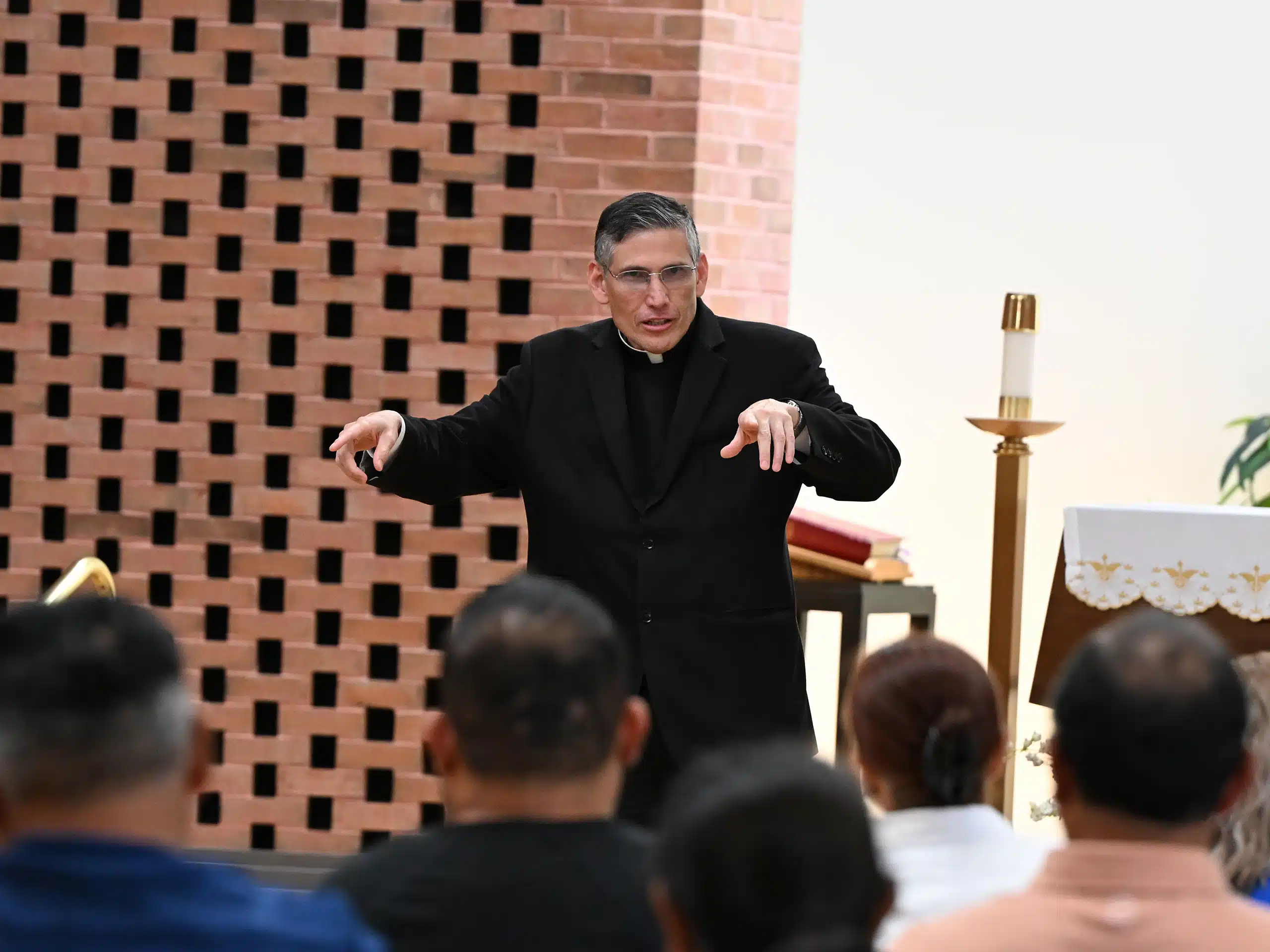
Following McFadden’s talk, participants dispersed to small group discussions. For the first time, the conference sponsored a talk and group discussion for Hispanic leaders, family and friends, led by Legionary of Christ Father Lino Otero, director of lifelong learning at Divine Mercy University in Sterling.
Beatrice Barry, a clinical student at DMU, led one of the breakout groups and said the response was overwhelming. “This is definitely something that is very appreciated,” she said, adding that community is essential for those struggling with mental health conditions. “If we believe that we’re all made for relationship … we need to have points of contact with other human beings so we can share our stories.”
Legionary of Christ Father Charles Sikorsky, president of DMU, said that in order to heal, we not only should pursue therapy but also work on our relationship with God. “To have a holistic approach to healing, we need to invite the Lord in,” he said. “When we do that, we also recognize that we’re saying, ‘This is who I am.’ We know ourselves better.”
The Catholic Church not only wants to “provide prayer for you, but we’re also here for the mental support and the physical support and your overall wellbeing,” according to Bridget Wilson, director of the multicultural ministry office. “The church has been, I think, really present and really trying to be a place of support for a long time. People just (need to) know that the support is there — and … just making sure that we have resources available in different languages so that we can accommodate all families.”