People with intellectual disabilities already are welcomed at
five diocesan schools, but a nonprofit organization hopes all diocesan schools
will provide comprehensive special education services.
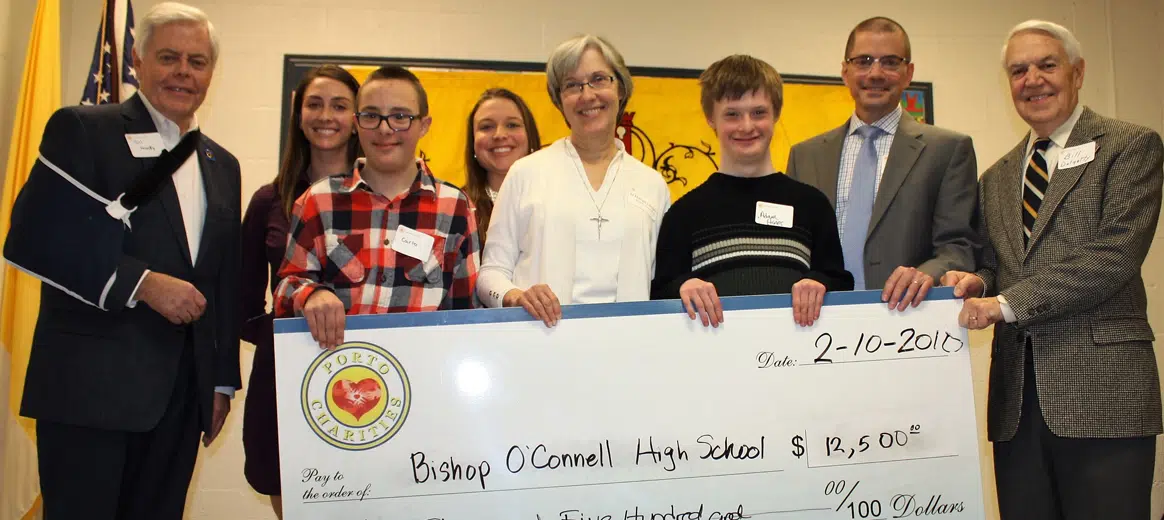
Leo Alonso, founder of Porto Charities, said that interest in the
organization is growing. The nonprofit,
which assists people with developmental disabilities through fundraising,
resources, assistance and education, has met with numerous officials at schools
from Ashburn to Springfield.
“Porto Charities helps both in terms of funding and in raising
awareness of the needs of students with intellectual disabilities,” said
Jennifer Bigelow, diocesan superintendent of schools. “The funds are essential
to help start and grow new programs at schools as well as resources that can be
shared diocesan-wide. Their work creates a greater awareness of the needs in
our diocese. We are called to provide a Catholic education to all that want one
and their efforts help make that possible.”
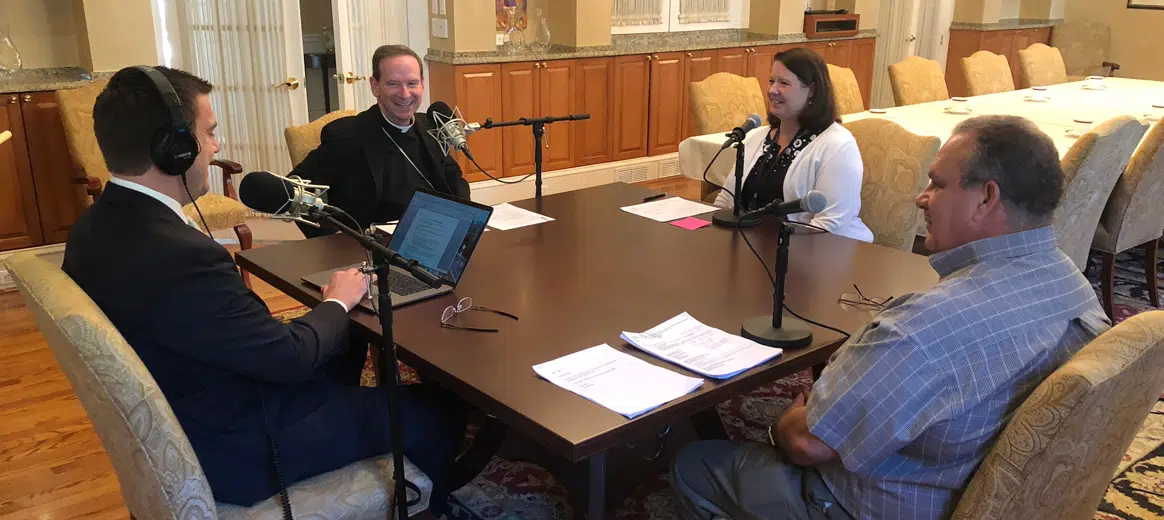
“The Catholic Church teaches the dignity of all human persons,”
said Bishop Michael F. Burbidge in a video promoting Porto Charities. “All
persons are made in the image and likeness of God, so the Catholic Church is
always looking for ways to serve pastorally and spiritually the children
entrusted to our care.”
Five Arlington diocesan schools already have comprehensive
special education services or programs: Bishop O’Connell High School in
Arlington, Paul VI Catholic High School in Fairfax, Saint John Paul the Great
Catholic High School in Dumfries, Holy Spirit Catholic School in Annandale and
St. Mark Catholic School in Vienna.
Porto Charities board member Bill Dalgetty said there needs to be
an education process with parish pastors and principals to help them see that inclusion
of children with developmental disabilities is a responsibility. “The vision of
the church is that it should provide education for Catholic children,” he said.
“Our goal should be to carry out that vision.”
Dalgetty said school officials are sometimes concerned about the cost
of establishing a program in their schools. “To establish an inclusion program
in elementary schools means there is a need to hire a teacher qualified to help
students with disabilities,” he said. “There’s always a resistance, and you
have to have training for teachers and staff, and teach how to interact and
include students.”
Porto Charities provides the funding that allows schools to offer
these programs, which make a difference for both parents and students.
Meg Grattan’s son, Thomas, is a sophomore in O’Connell’s expanded
services program.
“The inclusive nature of the program has allowed him to develop
lasting and meaningful peer relationships and has exposed him to a strong level
of academics he would never have been able to access in a different high school
setting,” she said.
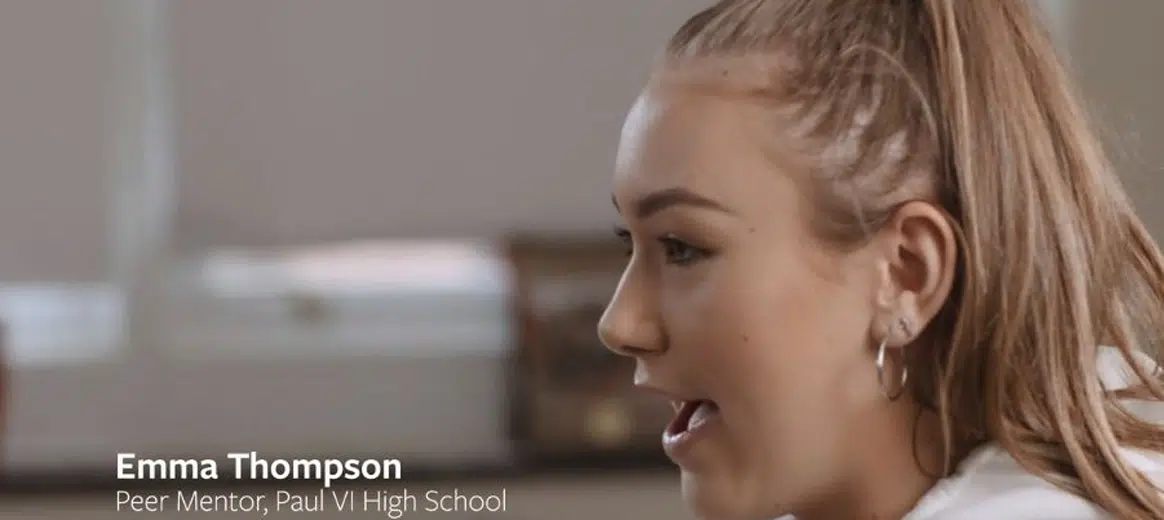
Mia Brillant, a junior at John Paul the Great, said she learned
by volunteering as a mentor that something small, such as finishing a worksheet
or a smile in the hallway, can mean more than being the best in the class or the
star athlete.
St. Mark was the first diocesan elementary school to offer a
program for students with intellectual disabilities. Principal Darcie Girmus
said there are five students in the Evangelist Program. “It helps all of our
students and teachers learn compassion, empathy and respect for the human
person,” she said.
The Options Program at John Paul the Great gives students a sense
of belonging, according to Options teacher Connie Spadafore. “A student from
Options was homecoming queen this year, and once a month another student will
go to the track meets of an Options student,” she said. “It goes beyond the
academic component.”
Spadafore has advice for those on the fence about starting a
program at their schools. “It doesn’t take much — two teachers, staff and
administration willing to take it on,” she said. “Everything else falls in
place really easily.”
Find out more
Contact Porto Charities
at [email protected] or watch the video.