For 250 years, American Catholic women have contributed something invaluable to the nation — something Pope John Paul II termed “the feminine genius.”
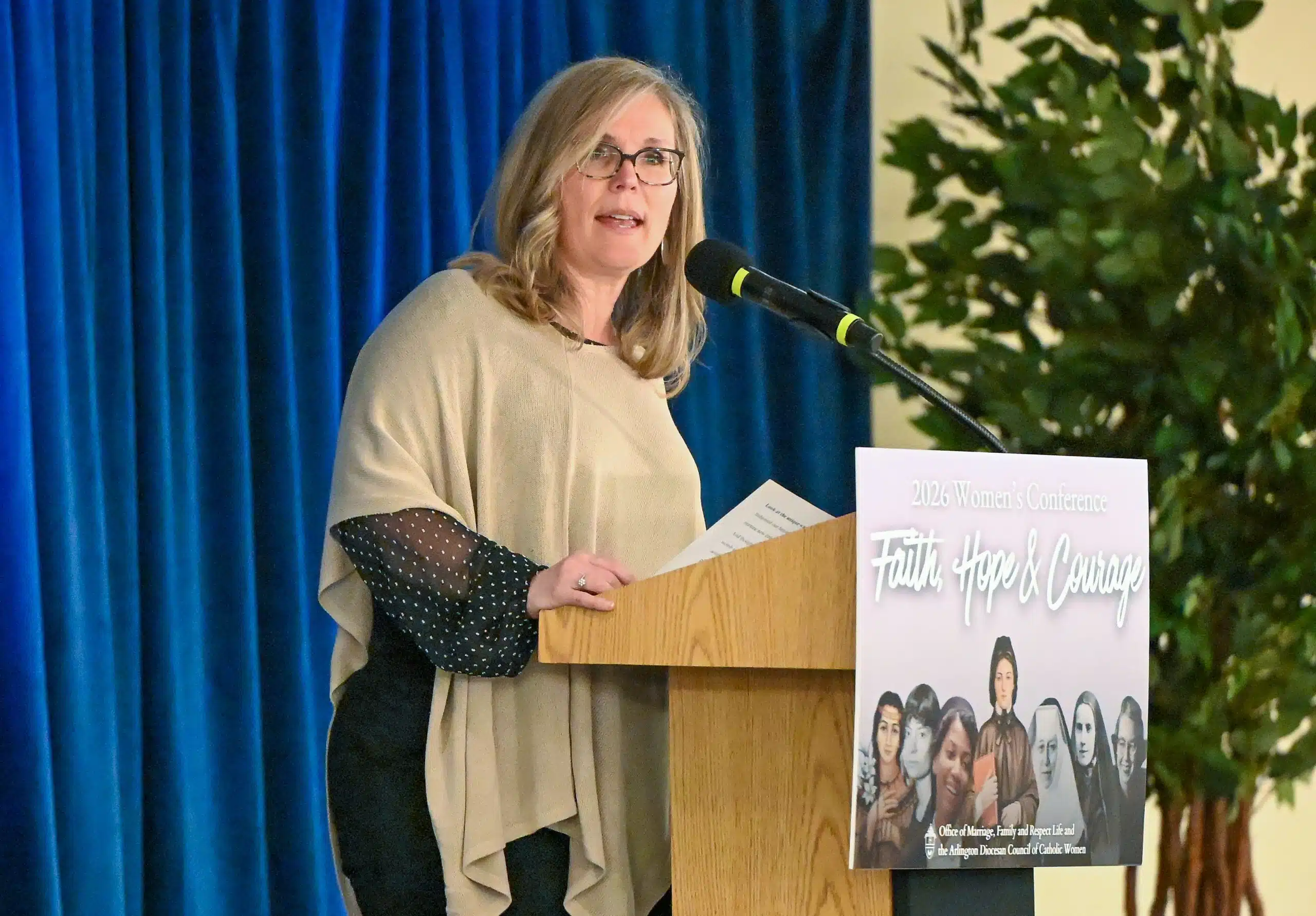
But according to speaker Mary Stanford, “I sometimes wonder if this term, ‘the feminine genius,’ is used so often in recent times, might not be losing a little bit of its punch?” she asked. “I want to give a clear and robust explanation of what the feminine genius means.”
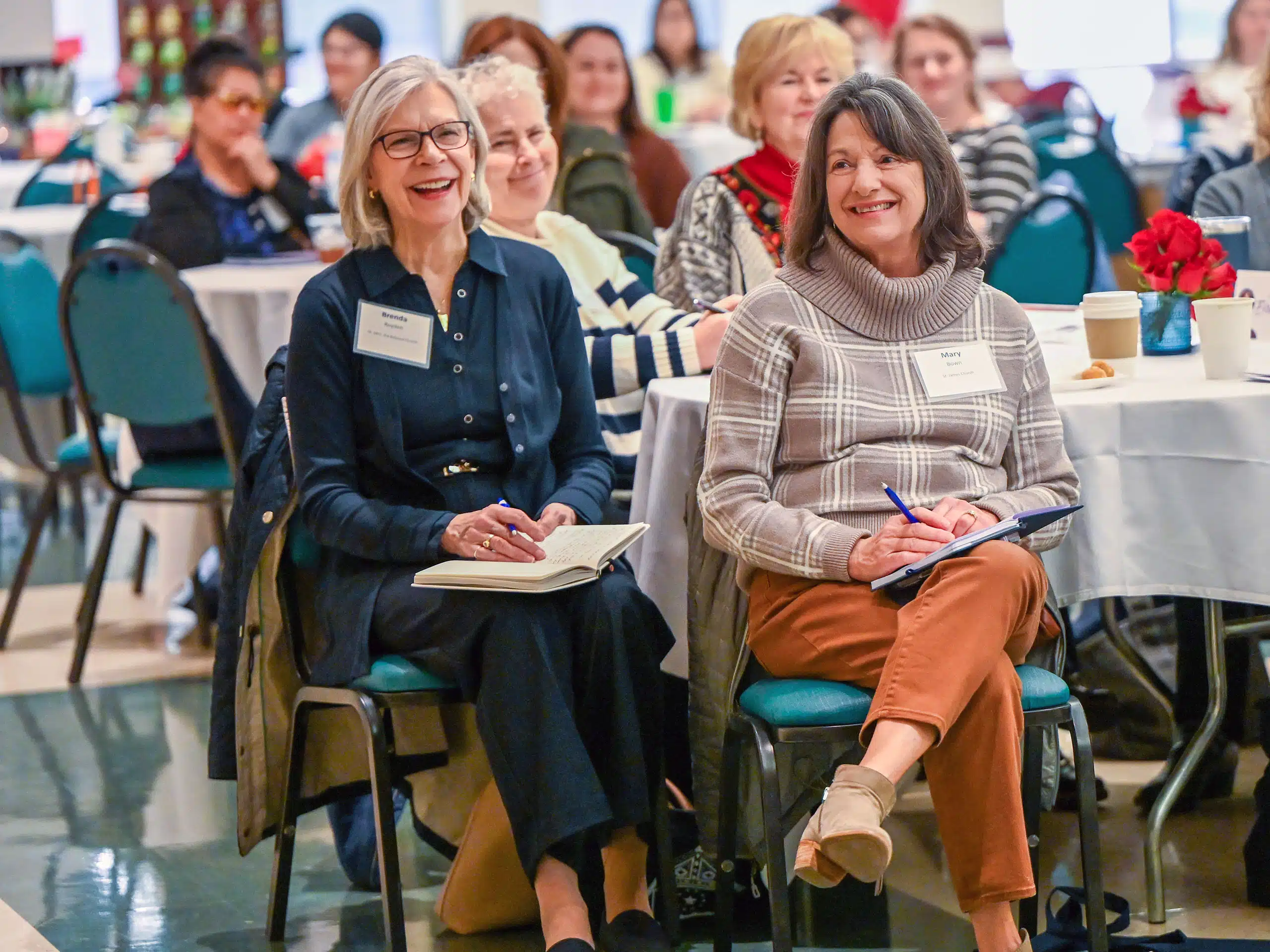
Stanford delivered a rousing talk on Catholic femininity to 430-plus attendees at the annual Women’s Conference at St. Joseph Church in Herndon March 14.
Stanford listed three points that make up the feminine genius: “Women are more immediately attuned to persons, that we instinctively seek fulfillment in relationships and that we tend to distinguish who a person is from what a person does.” She added that philosopher and saint Edith Stein once wrote that women embody intuition, adaptability and empathy in a unique way.
But women’s capabilities of empathy and intuition are threatened by a presence in our modern world: the distraction of technology and personal devices. “When we attempt to communicate through our devices, rather than through our bodies, we lose something,” she said. “This is why we need regular prayer, consistent and daily, making ourselves present to Our Lord by withdrawing from the distractions of daily life.”
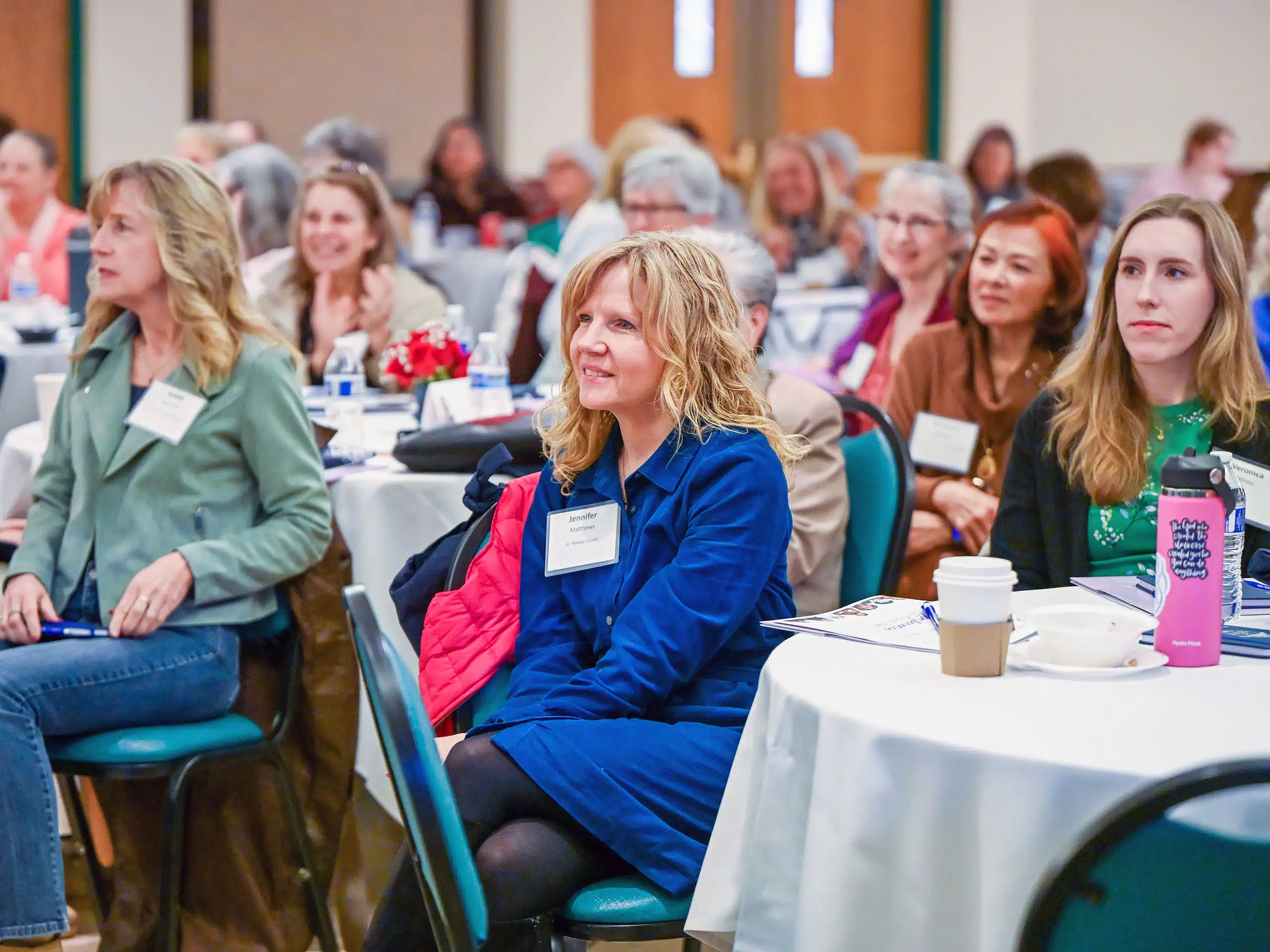
Attendees were invigorated by Stanford’s message. “Bringing up the current context of our relationships and technology and things like that, I think is very relevant,” said young adult Veronica Milosz, who attends St. Ambrose Church in Annandale. “The way we intuit others’ feelings, our perceptions, and the way we approach relationships is so unique.”
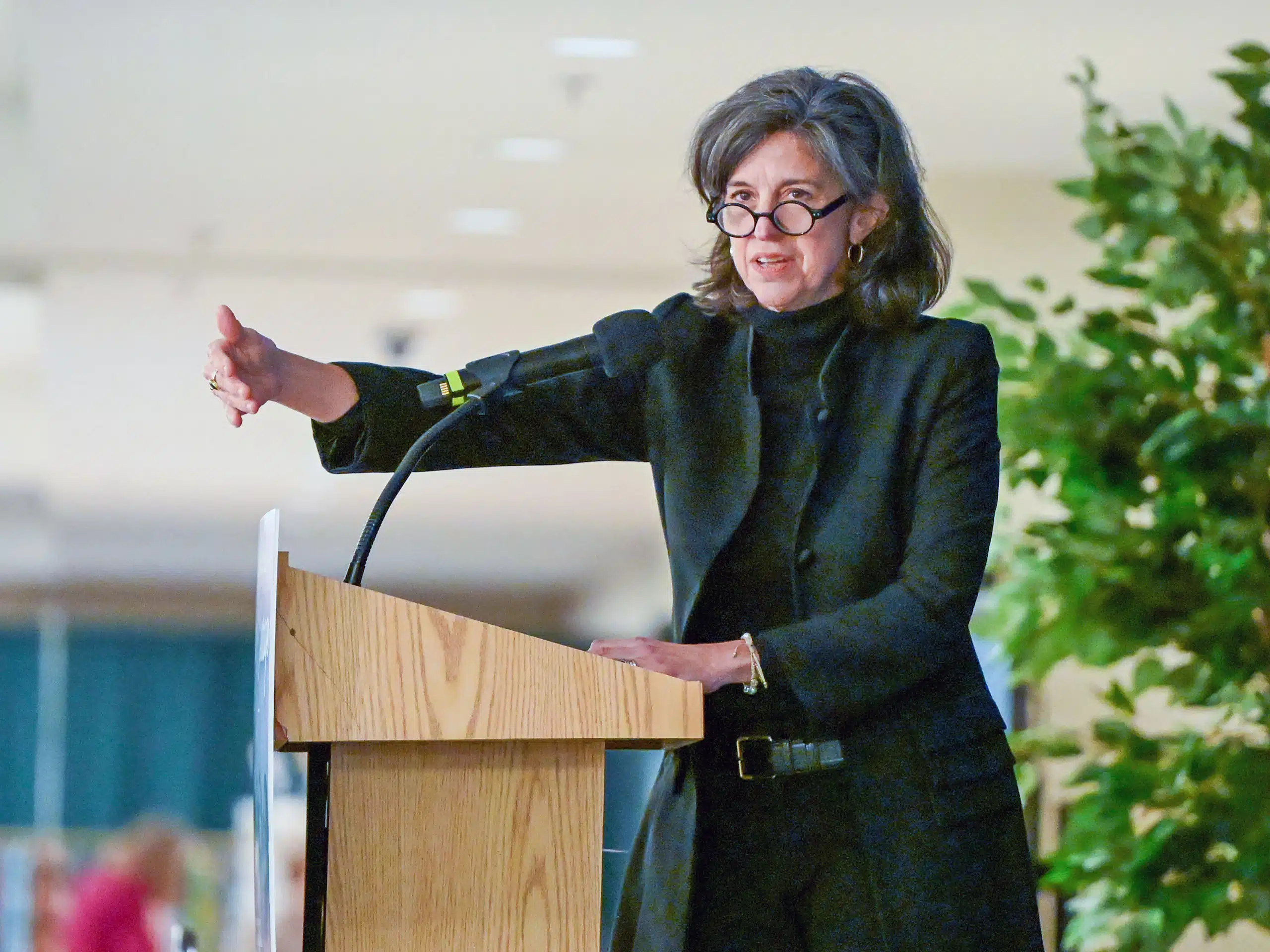
The second speaker of the morning addressed the necessity of religious freedom. Helen Alvaré, a law professor at George Mason University and a member of the Holy See’s Dicastery for Laity, Family and Life, stated that religious freedom doesn’t merely give Catholics the right to “do weird little idiosyncratic rituals in our homes or our churches,” she said. “We are advocating things that are not just true for Catholics; they’re true for human beings.”
In today’s age, America needs the advocacy of Catholic women more than ever, Alvaré said. She gave an overview of the gradual decline of marriage, the family and the right to life in the U.S. starting in the 1960s, from the spread of divorce and contraceptives to the legalization of abortion and same-sex marriage. The stability of the American family crumbled, she stated. In 1968, 5% of births were out of wedlock; today, that figure is 40%, she said. “We’re not getting the sort of relational and familial and parent-child bliss and love that was promised through contraception and abortion,” she said. “It turns out there’s something weirdly useful about what God designed,” in the institution of marriage.
But despite all this bad news, there is hope, by presenting a faithful witness of marriage and the family, Alvaré said. “By witnessing this to your children’s friends who struggle — for whom there may be a great deal more drama at home — a peaceful relationship between you and your spouse, a way of dealing with things in the household that is admirable, you have no idea the other people that it can inspire,” she said.
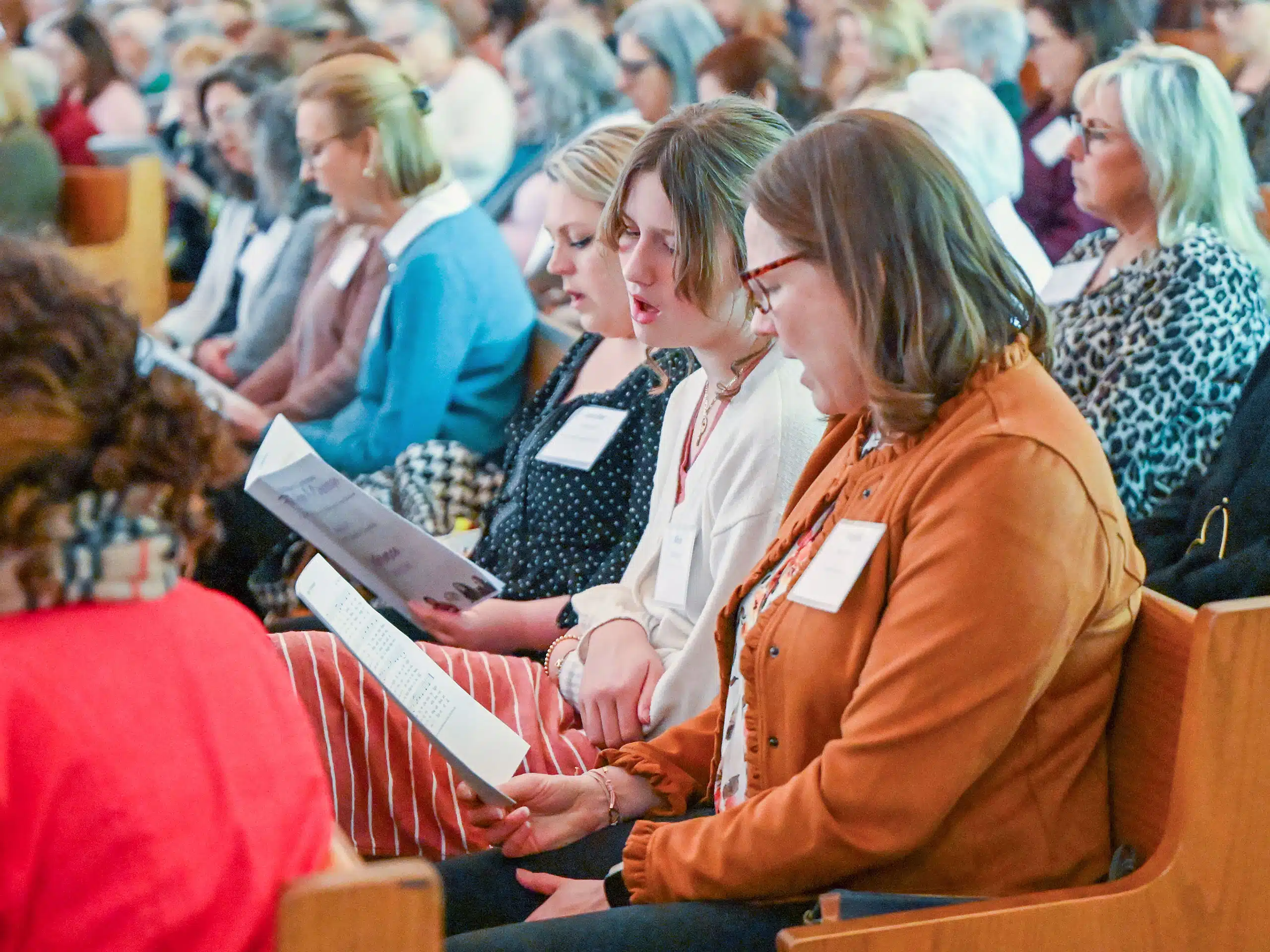
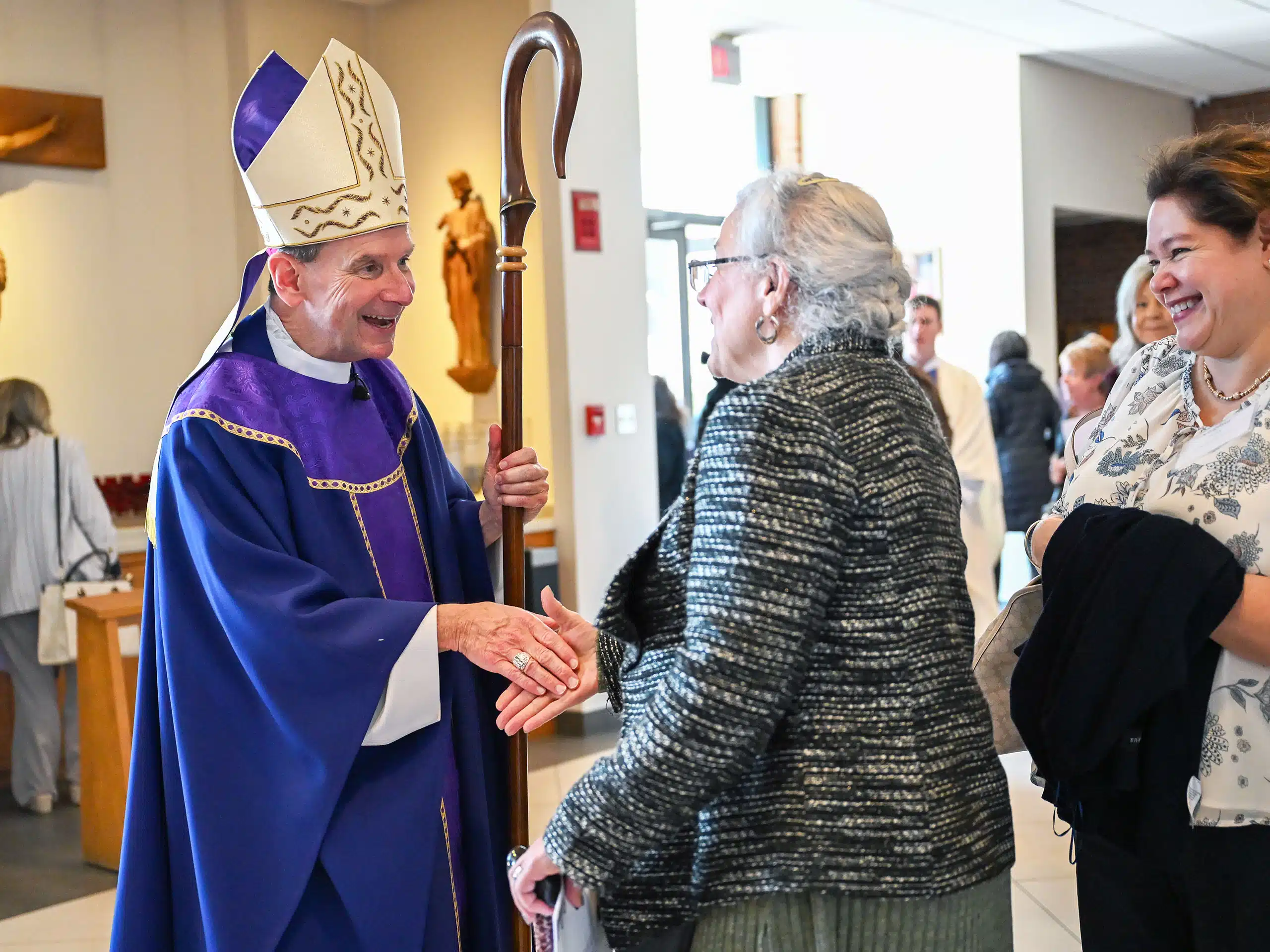
Attendees then gathered for Mass celebrated by Bishop Michael F. Burbidge. In his homily, he joked that, like many husbands’ seemingly endless timelines on household projects, “We’re all works in progress.”
We are all called to participate in lifelong conversion, but in order to do that, “it requires the disposition that allows us to see each new day that God gives us as a grace-filled moment, to move from regression to progression,” he said. “Whenever we place ourselves in the presence of God, as all of you — with your many responsibilities and obligations — have done today, we celebrate God’s mercy and love.”
Attendees of all ages left the conference rejuvenated. Catherine Cavanaugh traveled from Long Island, N.Y., to attend the conference while visiting her son, Michael, in Northern Virginia. She described the conference as a “booster shot.”
“This speaks to me and women my age. We’re busy taking care of our families, and we don’t take care of ourselves enough,” she said. “I’m an everyday Catholic. I go to Mass every day, but you need this to remind you why we do what we do.”