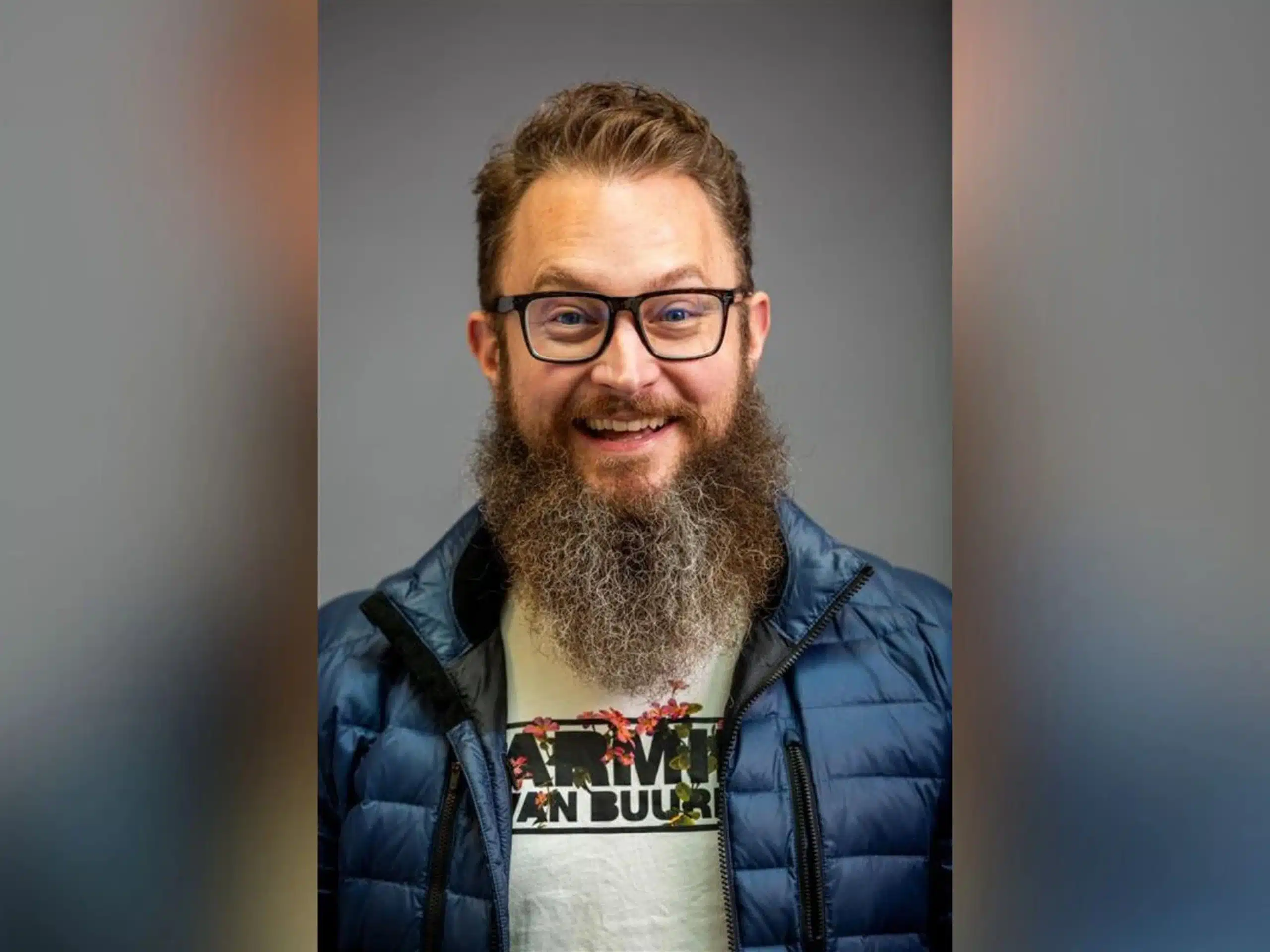
The Catholic University of America announced that Taylor Black, director of artificial intelligence at Microsoft, will lead a new institute on emerging technologies and AI at the Washington university.
At the technology conglomerate, Black serves as the director of AI and venture ecosystems in the Office of the Chief Technology Officer. In the role, he designs and leads cross-company initiatives that integrate innovation, product development, and community engagement to foster the next generation of technologies. He will remain in the position but plans to travel regularly to the university’s campus.
“Taylor’s background in innovation, AI, and entrepreneurship; studies in philosophy and law; and his formation as a deacon candidate make him the ideal person for this new venture,” H. Joseph Yost, senior vice provost of research for Catholic U., said in a statement. “From our first conversation, we knew he was the person we wanted to lead Catholic University’s expansion of AI programs and innovation.”
Black received an undergraduate degree in philosophy and classics from Gonzaga University in Spokane, Wash., and a master’s degree in philosophy and a law degree from Boston College. His career took off after he created a successful web development business while still in school. He went on to hold consulting, business development and venture positions before joining Microsoft in 2021.
While working in the technology field, Black said he has noticed an increase in questions related to human dignity from his secular colleagues. The new institute will work to tackle some of the concerns by pursuing innovation in AI and engaging in dialogue about human issues central to the Catholic Church.
“The church has been trying to get people to ask the question ‘What does it mean to be human?’ for a very long time. Now a bunch of people are asking it unprompted,” Black said. “This lends itself to addressing the gaping hole in understanding what people should know about what it means to be human in a deeper way.”
“Universities are for the formation of human persons. If you’re well-formed, you generally do a better job in the workplace,” Black said. He is interested in “how we reinvigorate the heart of what the university is — its human formation roots — while still providing the tools and training necessary from an entrepreneurial perspective to take this new economic paradigm in stride.”
The new AI initiative will bring faculty together from multiple departments including engineering, business, science, art, philosophy, and theology to engage collaboration within as well as outside the university.
The new institute follows several other advances at Catholic U. Earlier this year, the university achieved R1 status, which placed it among the top 5% of universities nationwide in terms of research funding and doctorates.