Twenty-nine seminarians have moved into the Blessed Stanley Rother House of Formation, or Rother House, for the new propaedeutic stage of priestly formation at Mount St. Mary’s Seminary in Emmitsburg, Md.
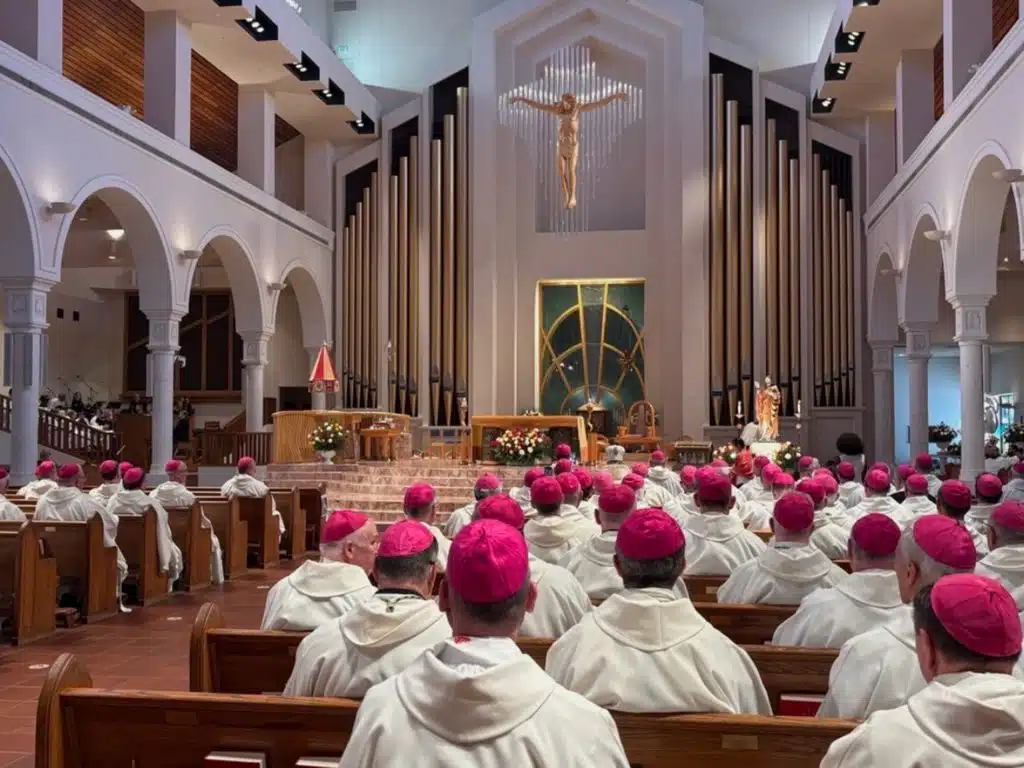
Following a week of orientation, the seminary held a ribbon-cutting and dedication ceremony last month when Baltimore Archbishop William E. Lori blessed every room with holy water. The event, appropriately held on the feast of the Queenship of Mary, included Mass in Rother House’s Mary, Mother of the Fairest Love Chapel.
The propaedeutic stage is an initial year that all U.S. seminarians will complete, one focused “less on academics, more on growing in community and service, and cultivating virtue and a deep prayer life. It lays a strong foundation for the more intense academics and formation in seminary,” said Father Daniel F. Hanley, an Arlington diocesan priest and coordinator of the propaedeutic stage program.
In opening remarks, Msgr. Andrew R. Baker, seminary rector, noted that the new Rother House is located in the C wing of St. Joseph House, originally built in 1964 for hundreds of Daughters of Charity, many receiving their initial formation there. The Daughters generously leased this space to the seminary.
“We continue the legacy of the Daughters of Charity, their love for formation and education, and look into the future of the church as we prepare these seminarians for further priestly formation. We could not have established Rother House without the support of the Daughters of Charity, to whom we are deeply indebted,” Msgr. Baker said.
Archbishop Lori, who celebrated the Mass and is chair of the seminary board, stated that a program named for Blessed Stanley Rother, located at the former home of St. Elizabeth Ann Seton and inaugurated on the feast of the Queenship of Mary is certain to succeed. In his homily, he outlined the task for the men in the propaedeutic stage in 2023-24. Just as the Virgin Mary’s royal title did not come suddenly or easily and Blessed Rother faced many challenges before he achieved more as a priest than he could have imagined, the men in the propaedeutic stage will be called to “expand and purify” their hearts so they can “advance God’s word and purpose.”
Blessed Stanley Rother, an Oklahoma native, studied at Mount St. Mary’s Seminary in preparation for his 1963 ordination to the priesthood. While serving as a priest at the Oklahoma City diocesan mission to Guatemala, he was martyred in 1981. Thousands of Catholics were killed during the country’s civil war. In 2016, Pope Francis officially recognized Father Rother as a martyr for the faith, and the following year he became the first U.S.-born priest to be beatified.
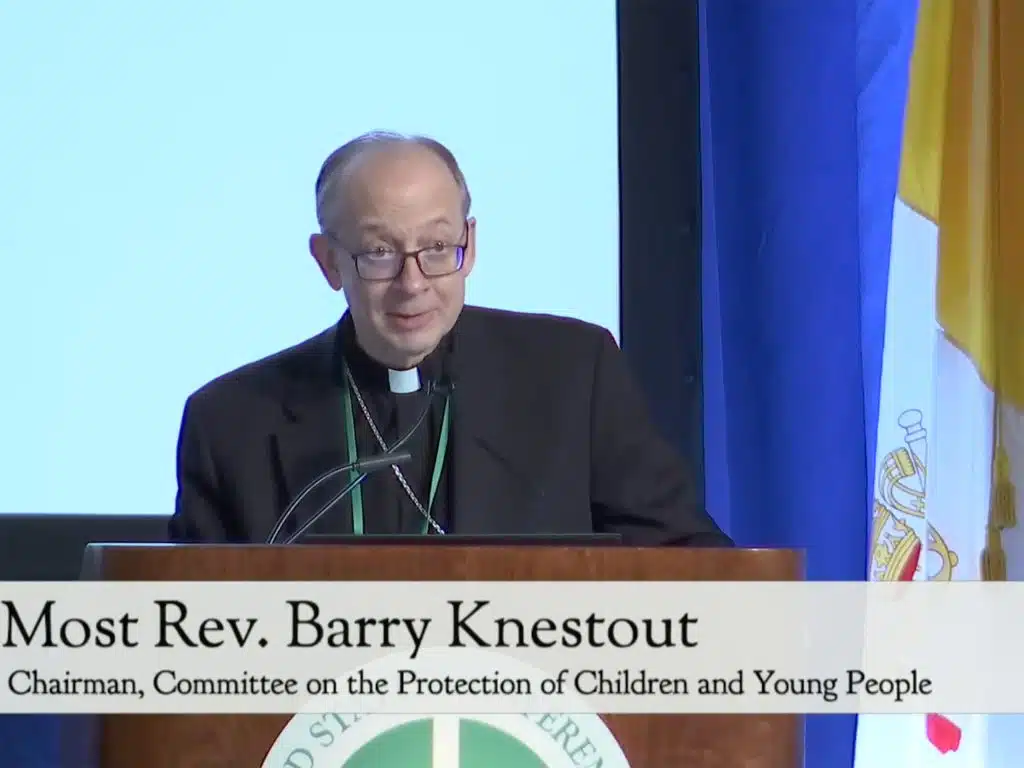
Concelebrants were Richmond Bishop Barry C. Knestout, Msgr. Baker, Father Hanley and Msgr. Charles Mangan, Rother House confessor and columnist for the Catholic Herald.
The propaedeutic stage is a response to a call that began in the 1990s with Pope St. John Paul II. Similar programs have been in place for seminarians in some parts of the world, including a handful of American seminaries. In 2017, the Vatican promulgated a revised version of a document titled “The Gift of Priestly Vocation” that made a propaedeutic year required worldwide.
To put Pope Francis’ and the Vatican’s call into effect, last year the U.S. Conference of Catholic Bishops released the sixth edition of the “Program for Priestly Formation,” including guidelines on the implementation of this stage in the U.S.
Before joining the seminary in January, Father Hanley worked for the USCCB, helping put together the latest edition of the “Program for Priestly Formation.” As coordinator, he is in charge of mapping out the course of the propaedeutic stage for the seminary.
A typical day starts early with quiet meditation, morning prayer, Mass and breakfast. Midmorning, a few simple classes are held, mostly focused on spirituality, the Catechism of the Catholic Church and Scripture. Lunch and dinner are eaten together, with afternoons spent in service to the wider community.
“We’ll have partnerships with a few local places, such as the National Shrine Grotto and a farm, and the seminarians in Rother House will do their own cleaning. Adoration will come before dinner, and then recreation until night prayer,” Father Hanley said. The farm work will be done at Good Soil Farm, owned by Stephen and Casey-Mae McGinley, both graduates of the Mount. Stephen McGinley is also a lecturer of philosophy.
Seminarians are expected to mostly forgo use of phones, televisions and computers, and spend their days getting to know each other, themselves, and God better, getting the chance to further discern their calling before the later rigors of seminary.
“We’re just so grateful for the immense support Msgr. Baker, the Mount community and the Daughters of Charity have shown,” Father Hanley said. “We’re thrilled to welcome young men to Rother House.”
Find out more
Go to seminary.msmary.edu/rotherhouse.