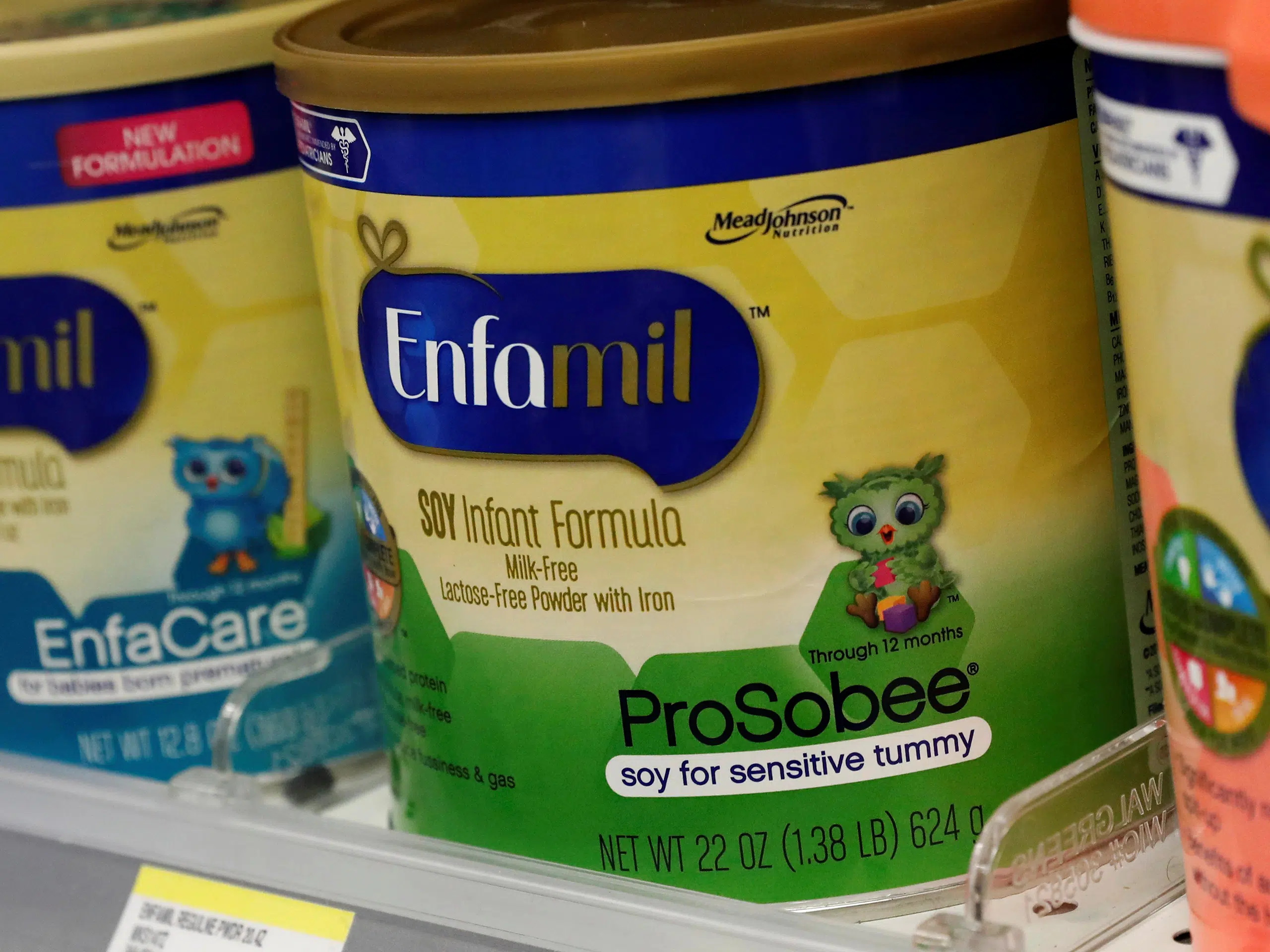
PHILADELPHIA — A nationwide shortage of baby formula is hitting home at a number of food pantries, including those operated by the Catholic Social Services in the Archdiocese of Philadelphia, said administrators.
“We are in short supply everywhere, and in some places there is no supply,” said Amy Stoner, director of community-based, housing and homelessness services for the archdiocesan agency.
Patrick Walsh, manager of the agency’s Martha’s Choice Marketplace in Norristown, confirmed both clients and staff have “noticed a shortage” in baby formula, most of which his team sources through the hunger relief agency Philabundance.
Lizanne Hagedorn, director of the archdiocese’s Nutritional Development Services, said her agency has so far been able to sustain deliveries of baby formula to the child care centers it serves, thanks to its most recent collection drive in January, which amassed “about 10,000 pounds.”
At the same time, Hagedorn said although her team “(has) not had any issues getting formula, that is not to say we won’t in the future.”
National out-of-stock rates for baby formula soared to 43 percent the week of May 9, according to the Virginia-based pricing data firm Datasembly, which has predicted that “shortages will continue to worsen.”
The empty shelves — where gaps first emerged in July 2021 — are due to “inflation, supply chain shortages and product recalls,” Ben Reich, the company’s founder and CEO, told CatholicPhilly.com, the archdiocesan news website.
In the Arlington diocese, Vincent A. Cannava, program director and food source developer for Catholic Charities St. Lucy Project weighed in. “Until recently, St. Lucy Food Project hasn’t had a large demand for baby formula at its Catholic Charities pantry sites,” he said. “As a result of the shortage, St. Lucy is packaging the limited supply of formula in its inventory and offering it to the Catholic Charities Mother of Mercy Free Medical Clinic first, and then to its pantry network.”
White House press secretary Jen Psaki told reporters May 9 the U.S. Food and Drug Administration was helping manufacturers to boost production, prioritize the most needed product lines and streamline the importation process for some infant formula products.
A key driver of the shortage is a voluntary product recall announced in February by Abbott Nutrition, maker of the Similac, Alimentum and EleCare brands.
The company, a major supplier, flagged powdered infant formulas from its Sturgis, Michigan, plant after complaints of bacterial infections in four infants, two of whom later died. The facility has largely been shuttered pending FDA clearance to resume operations.
In the meantime, clients of Catholic Social Services sites in the Philadelphia Archdiocese are using alternative formula brands approved by the federal Women, Infants and Children supplemental nutrition program.
But “even with alternative brands, there is still a shortage,” said Fredeswinda Rodriguez, administrator of the archdiocesan agency’s Cenacle at the Padre Pio Center in Philadelphia.
And switching formulas isn’t without side effects, which is why Beth Wood, administrator of the archdiocesan agency’s Northeast Family Service Center in Philadelphia’s Mayfair section, is directing her clients “to contact their pediatricians” if they need to find a different brand.
Wood also is counseling clients “not to dilute formula or make their own,” she said. “This is very dangerous.”
The FDA, along with numerous pediatricians, has warned that homemade infant formulas — recipes for which are widely available online — pose real health risks, from nutritional imbalances to contamination.
As the federal government and manufacturers work to restore stock levels, Walsh said he was exploring ways to expand options for his clients, a majority of whom represent large, young families.
“I’d love to be able to offer moms free, accessible lactation consulting,” he said. “The impact saved in money and increased post-natal health outcomes would be huge.”
Yet access to formula will remain critical, since “breastfeeding is not always feasible, especially when the baby is being raised by someone other than the mother,” or when mothers “have to get back to work and need the convenience” of prepared formula, said Hagedorn.
Donations of baby formula, especially brands for infants with sensitive digestive systems, are more welcome than ever, said administrators at Catholic Social Services.
Christian is a senior content producer for CatholicPhilly.com, the news website of the Archdiocese of Philadelphia.