
Why are Catholics so attached to relics?
To some, especially those who are not Catholic, it might be shocking that the church displays and honors relics — small fragments or body parts of saints or their personal items. Yet, the act of venerating relics is actually one of the oldest — and one of the most misunderstood — traditions in the Catholic Church.
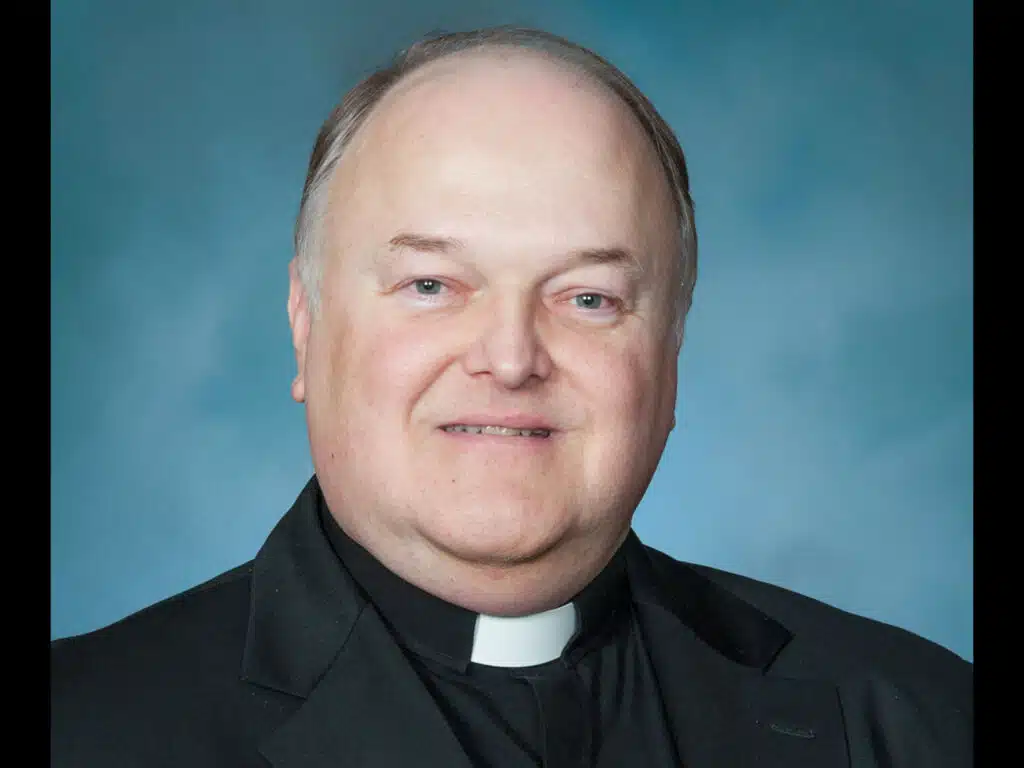
Msgr. Paul F. deLadurantaye, diocesan chancellor, explains why venerating relics is such a beloved and longstanding practice in the church.
Why do Catholics venerate relics?
The answer lies with the church’s first saints, the early Christian martyrs.
“Those who gave up their lives in the early church for the sake of Christ, for the sake of the Gospel, were venerated as martyrs, and people wanted some kind of physical reminder, but also a kind of closeness to the saints who were martyrs,” Msgr. deLadurantaye said.
Early Christians prayed at the tombs of martyrs, and some felt compelled “to take something of the martyr, some physical reminder, (such as) a piece of clothing the person wore, sometimes even a part of the body as an act of devotion and veneration,” he said. Those Christians who survived persecution “wanted a reminder of what it cost to be a disciple.”
Over time, relics “became a reminder to ask for the saint’s intercession, especially in moments of difficulty,” Msgr. deLadurantaye said. The practice of venerating relics continued throughout church history. The Council of Trent (1545-63) even discussed the topic, declaring, “Through these (bodies) many benefits are bestowed by God on men.”
A better question to ask, said Msgr. deLadurantaye, is, “Why do we venerate saints?”
Catholics venerate saints by honoring them and asking for their intercession – or prayers to God on our behalf for our intentions. “We recognize they’re not God, but the saints who are in heaven can hear our prayers, and they can present them before the Lord,” Msgr. deLadurantaye said.
How do I venerate a relic?
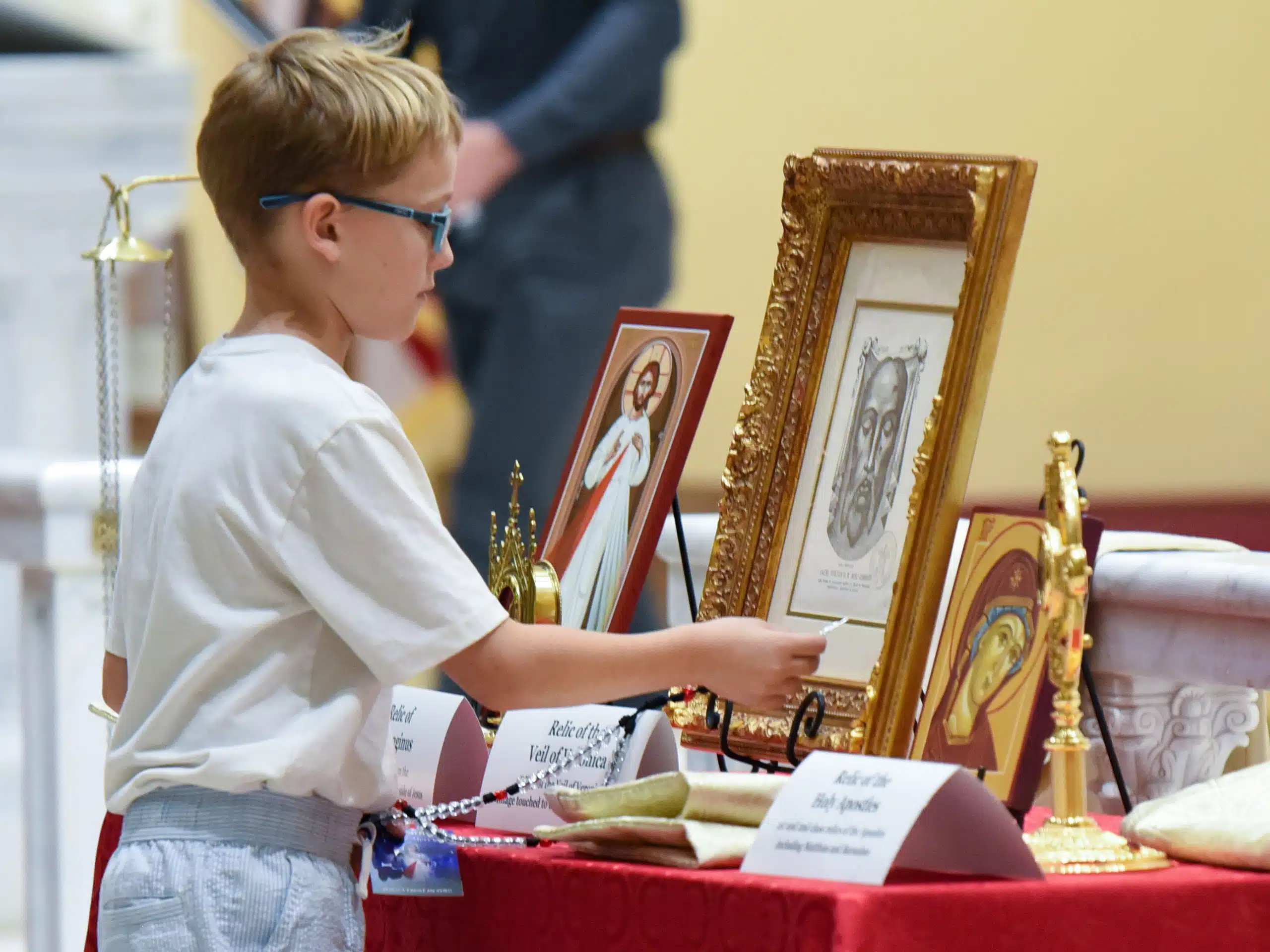
When approaching a relic, it is appropriate to make a gesture of respect to honor the saint. Examples include making the sign of the cross, or reverently standing or kneeling in prayer before the relic, or even gently touching or kissing the relic if permitted. While kneeling is acceptable while praying in front of the relic, genuflecting is reserved only for the Blessed Sacrament.
If a first-class relic is open to touch, many Catholics press sacramentals to the relic while asking for the saint’s intercession. These sacramentals may include wedding bands, a crucifix, holy medal, scapular or prayer card.
As with the early Christians, when Catholics venerate relics, they call to mind the life of the saint and ask that saint for his or her intercession. But while relics have spiritual value — since it belongs to one of God’s saints — the church warns against treating relics like magical objects.
If Catholics approach relics seeking favors without a desire to grow in their faith, the Vatican’s Directory on Popular Piety warns, the “symbolic gesture runs the risk of degenerating into empty customs or mere superstitions, in the worst cases.”
But honoring a saint, calling to mind his or her life, and asking for intercession is the purpose of veneration and is a way to grow in holiness.
What are the different types of relics?
Relics are subdivided into three classes. First-class relics are “an actual part of the saint’s body,” said Msgr. deLadurantaye. First-class relics might be a bone, tooth, hair, or some other small bodily fragment.
A second-class relic is “something the saint wore, like a piece of clothing or a religious habit … or something the saint may have possessed and used.”
The Directory on Public Piety adds, “Objects which belonged to the Saints, such as personal objects, clothes and manuscripts are also considered relics, as are objects which have touched their bodies or tombs such as oils, cloths, and images.”
Objects that have touched a first-class relic or the saint’s tomb are third-class relics.
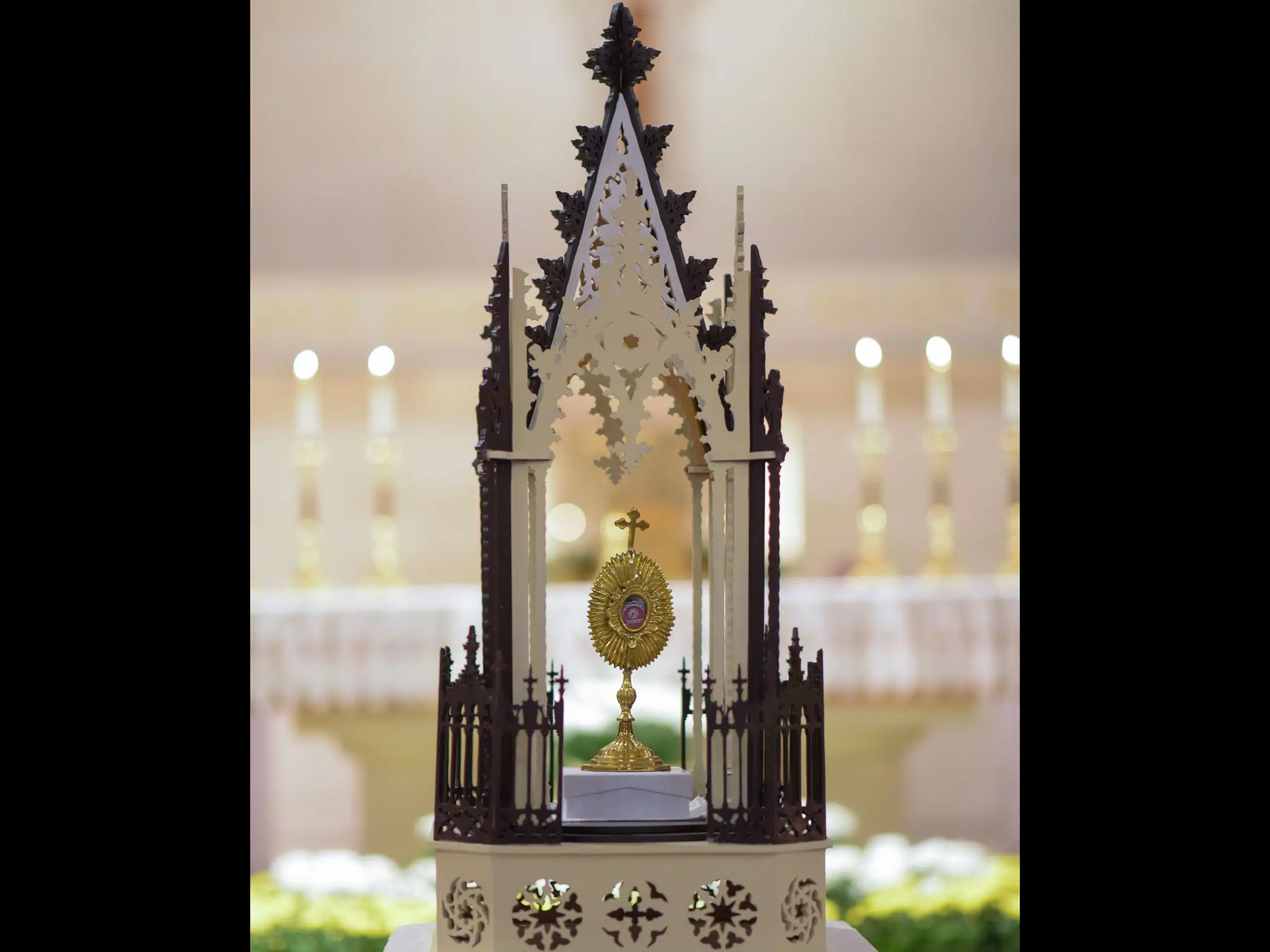
First-class and some second-class relics are displayed in a reliquary, a container that preserves the relic.
May Catholics keep relics?
Many Catholics possess relics of various classes. And while it is not forbidden to possess a first-class relic of a saint, Msgr. deLadurantaye said, such relics should not be kept merely as “a curiosity or keepsake.”
He added that relics are intended for two purposes. One purpose is placing a first-class relic in a new altar, a practice that “has roots that go back to the earliest days of the church, when Christians would gather to celebrate the Mass, either close to or on the tomb of a saint,” Msgr. deLadurantaye said.
Churches will also display first-class relics for public veneration, “to spur people to be devoted to the saints, to encourage them to ask for the intercession of those holy men and women,” he added.
To know if a relic is genuine, it must be authenticated by the church with a certificate issued by the Holy See. “There are fraudulent claims made about relics,” Msgr. deLadurantaye warned. “Authentic relics usually come with an official document that says what it is, from whose body it comes.”
Catholics are forbidden from buying or selling relics.
What about the saint’s body?
With saints’ relics residing in churches around the world, some may worry that the dissemination of relics might be disrespectful to the saint’s body.
But the preparation of relics is not disrespectful to the saint, Msgr. deLadurantaye said. When it comes to the resurrection of the dead, like any person’s body lost to history, “The Lord obviously can work his miracles and restore the whole of the body of the saint on the Last Day.”
Just as the saints worked during their lives to lead others to God, they continue to do so after death through their prayer. Venerating relics reminds us of their heavenly work, Msgr. deLadurantaye said.
“Relics also remind us of the importance of prayer, and the importance of the fact that we are members of the communion of saints,” he said. “The saints are real. They were people like us who made it to heaven because they said, ‘Yes,’ to God’s will, and faithfully tried to follow it every day.”