For an abundance of devotional art, the Walters Art Museum just up the road and near the Basilica of the Assumption in downtown Baltimore is the destination to seek out — and perhaps the best anywhere in the United States. On a recent visit, more than 60 different images of the Blessed Virgin Mary were on display, ranging from a sixth-century Byzantine carving made from an elephant tusk to dozens of paintings of the Virgin with the child Jesus. These images range from solemn to playful, queenly to humble, and simple to elaborate, filled with symbolic elements: each one offering a different invitation to reverence.
Ranging more than 12 centuries and three continents, the Walters artworks are displayed in settings that evoke — insofar as possible — their original placement in churches or private homes. Entering the first room of the Renaissance galleries on the third floor, one sees the “Annunciation” by Bicci di Lorenzo, dating from the early 15th century. As with many of the Walters pieces, it is not by one of the best-known names, and Bicci was not fully up to date with the innovations in perspective that came into fashion around 1425.
But what is unique about this picture is that it has survived in its original frame, complete with its predella, a series of smaller narrative scenes from the life of Mary that run across the bottom. In most museums, such altarpieces were dismembered centuries ago and the little narrative panels, when they survive, are scattered to multiple collections. When we look at this painting, executed in tempera colors and gold on a wooden panel, we can actually imagine its function evoking the body of Christ behind the altar of a church near Florence at the moment of transubstantiation. (Since it depicts the incarnation, Christ is physically present in this scene though not yet visible.)
Now the Walters has gone a step further in bringing great art of centuries past to life with its exhibition “Activating the Renaissance.” Six contemporary artists have contributed original paintings that hang alongside the old ones. A particularly striking one is titled “Tears of the Black Madonna” by Jessica Bastidas, an artist who was trained in Maryland and teaches there but has exhibited in Pennsylvania, New York, France and the United Kingdom among other places.
“Tears of the Black Madonna” hangs amid three of the Walters collection’s 15th-century Madonna pictures. Bastidas writes that, during a trip last summer to the West Coast, she was “fascinated by how depictions of the Virgin had migrated from the sacred spaces of churches to the streets,” including graffiti depicting Our Lady of Guadalupe, who she calls an intercessor for all facing discrimination and social-economic disparities.
In her painting, Bastidas depicts an older brother carrying a younger one past a wall painting of the Virgin Mary, and within a frame of salvaged materials.
The way this picture re-imagines the theme of Mary is echoed throughout the museum. Here are some examples that illustrate the range:
- An Ethiopian Madonna surrounded by the apostles. The Walters has the premier collection of Ethiopian art in the United States.
- Paintings by the renowned Renaissance masters Raphael and Bellini.
- An elaborate bishop’s brooch in gold and jewels portraying the Annunciation.
- A medieval wooden carving of the Madonna and Child that opens to reveal scenes from the Passion of Christ.
- A Byzantine icon that bursts open like a flower, with Virgin and Child in the center and other Biblical scenes at the corners.
- An embroidered bishop’s mitre from Armenia with the Coronation of the Virgin at its center.
- A horizontal Nativity by Bernardo Strozzi, ca. 1640, showing the shepherds bursting in to worship the newborn Savior by night.
- The Immaculate Conception: one very large painting, by the Spanish master Murillo, and tiny ones in ivory or wood by artists from China and the Philippines.
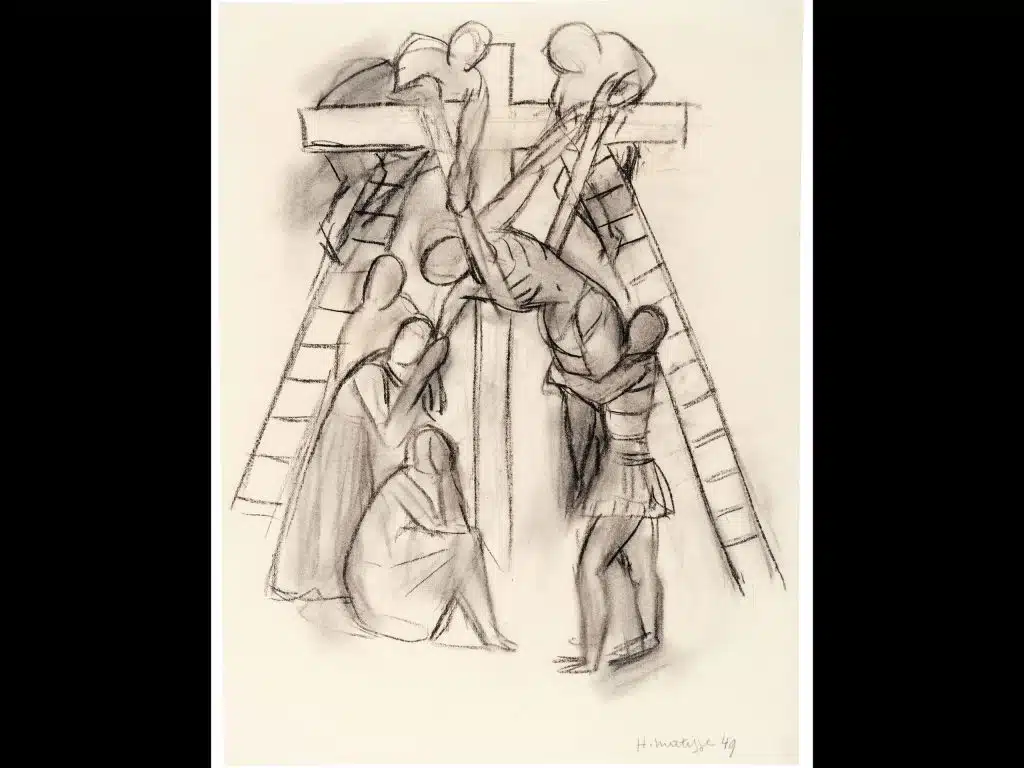
- Mary mourning Jesus at the foot of the cross (many versions), or alone in the image known as a Pieta (no, Michelangelo didn’t invent it).
- A very rare English medieval alabaster carving: one side shows the Annunciation, with God the Father literally breathing out the dove of the Holy Spirit; on the opposite side, Mary is assumed into heaven with her hands spread in the “orans” prayer position.
Find out more
“Activating the Renaissance” is on view through February 2023 at the Walters Art Museum. Go to thewalters.org.
Hamerman writes from Reston.