School is almost out for the summer and that means a new
schedule for children. Whether kids are swimming, biking,
traveling, heading off to camp or playing in the backyard,
the summer months bring different safety concerns. Keep your
kids safe this summer with these tips.
Sunscreen and bug spray
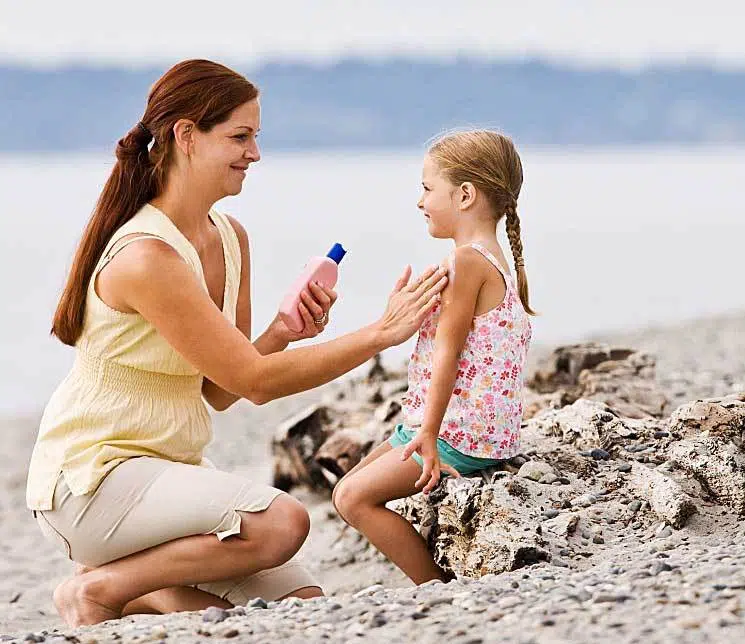
Sunburn is no fun for anyone. Make sure you have sunscreen on
hand. Since sunscreen does expire, check the expiration date
before using it. Put it on your children every day and
reapply it multiple times, particularly if kids are swimming
or sweating. If you are in an area with bugs, consider using
bug spray to protect them from bites. Look for products
containing DEET, follow the instructions carefully and keep
the bug spray away from hands and faces so it is not
ingested.
Helmets and safety equipment
Children should always wear a properly fitting helmet and
other protective gear when bicycling, skating, riding a
scooter, etc., to protect their heads and bodies in the event
of a fall. Check to see if your child has outgrown his or her
helmet and equipment and replace equipment that is too small.
Playground equipment
It may have been a while since you used the swings in your
backyard or the equipment at the local playground. Before
your kids play on it, make sure that it is still in good
working order and is age appropriate for your child. Check
for sharp edges, missing screws, rusted pieces and other
items that could cause injury. If the equipment is too big or
too small for your child, look for an alternative place to
play.
Swimming
Children should never be in or around bodies of water without
adult supervision. Even the most confident swimmer can have
an emergency. If you have a pool in your backyard, put up
barriers and alarms to keep children out when there is no
adult supervision, and make sure you know what supervision
your child will have when visiting a friend’s pool.
CPR and first aid
You may never need to use it, but having CPR and first-aid
skills can make a big difference in an emergency situation.
Also, make sure you have a well-stocked first-aid kit at home
and in your car. The Centers for Disease Control offer great
suggestions for contents at cdc.gov/features/travelhealthkit.
Contact information
Kids may have a new carpool routine, a new summer sitter or
just be out and about more in the neighborhood. Make sure you
have a current list of names and phone numbers for all of
your children’s friends, their parents and anyone else that
your child may be with during the summer months. Check in
with your child throughout the day if possible and
communicate schedule changes so that everyone knows where
they are supposed to be and when.
Cars
Never leave your child alone in the car while you are out,
even if it is to run a short errand. Temperatures inside a
vehicle can escalate quickly, even if the outside
temperatures appear mild. While traveling, make sure everyone
is buckled in properly and that children are in age- and
size-appropriate child safety seats.
Hydration
Children can quickly become dehydrated, even in the shade.
Have everyone take regular water breaks and stay in a cooler
place during the hottest part of the day.
Vacation
Illnesses and injuries do not take vacations. If traveling,
take appropriate medications and insurance information with
you, and look for the closest hospital or urgent care clinic
in the area. This can alleviate some anxiety and save time
during an emergency.
Summer chores
Teach your children the importance of safety around
lawnmowers, weed whackers and other dangerous tools, as these
may look like toys to younger kids. Try to use these in areas
where children are not playing and do not let children
younger than 12 years old push the lawnmower. Find more age
appropriate chores for the little ones.
Kriebel is Arlington diocesan director of risk management.