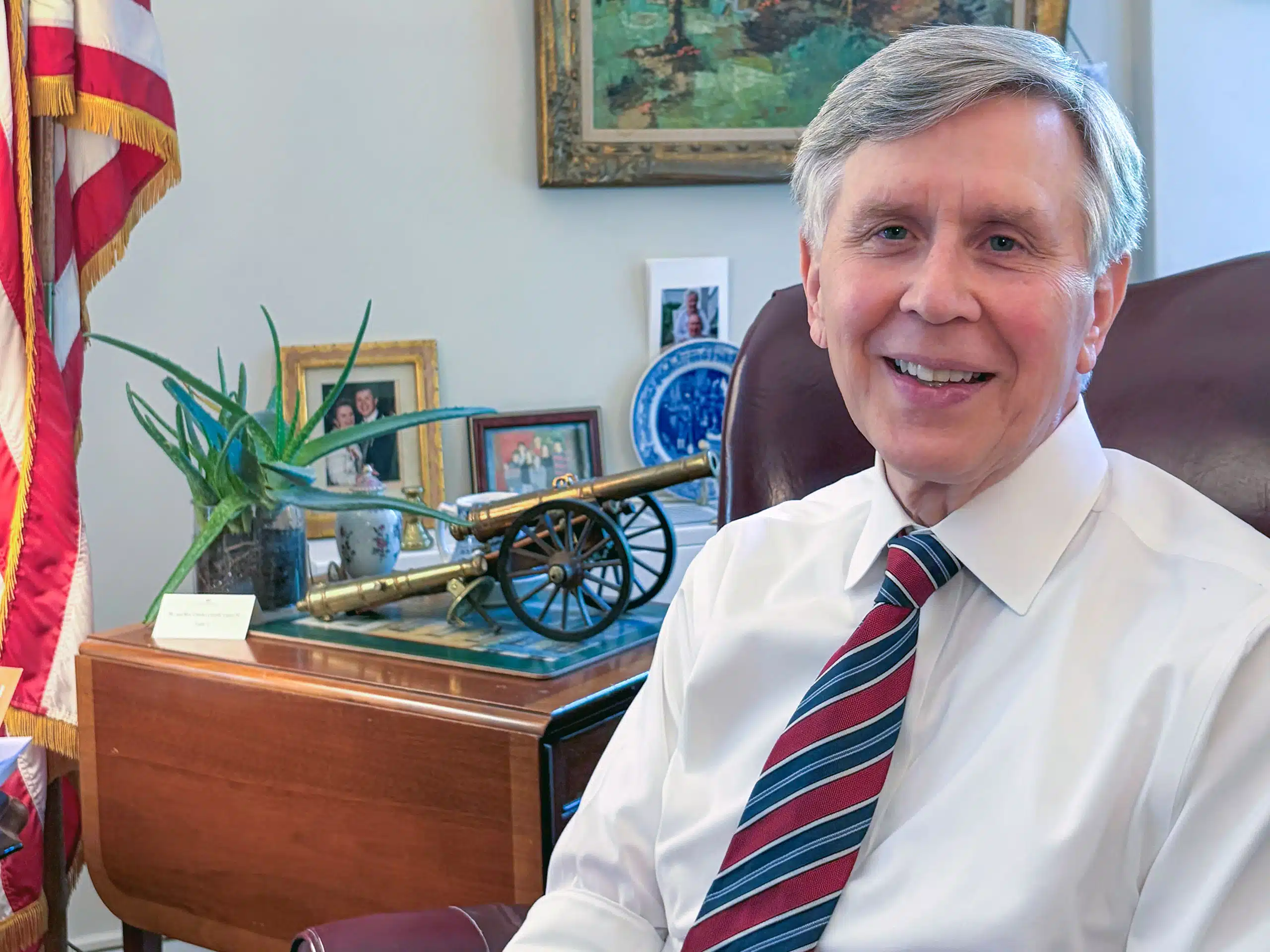
When I arrived at Mount St. Mary’s Seminary as the rector three years ago, I thought I knew how to answer the question of how someone becomes a Catholic priest.
Even before the time of Christ, Aristotle wrote beautifully on the subject of friendship. Many are familiar with a phrase of his composing, a friend is “a single soul in two bodies.” Theological inaccuracies notwithstanding, it is an intriguing observation.
In the teaching of the Second Vatican Council and all the popes since, we hear over and over again that evangelization is the primary task of the church. In fact, in 1990, St. John Paul II declared, “I sense that the moment has come to commit all of the church’s energies to a new evangelization.”
The Palm Sunday cry of Christians, “Blessed is he who comes in the name of the Lord,” was heard many centuries ago in Jerusalem’s streets. It still is heard today.
Lent and Easter had come and gone, but the Christian call to sacrifice was very much on Pope Francis’ mind when he addressed 12,000 pilgrims in St. Peter’s Square last June 28 during his weekly general audience.
The call to a change of heart and a change of life was a hallmark of the ministry of Jesus, of His forerunner, John the Baptist, and of His apostles. And the Lenten season, which has been part of the Christian year from the earliest days of the church, has always made repentance its centerpiece.